


























































































































































































Introducing a new puppy to your current dog is often an exciting process, and many dogs will become fast friends and eas...
Read MoreAdopt Me

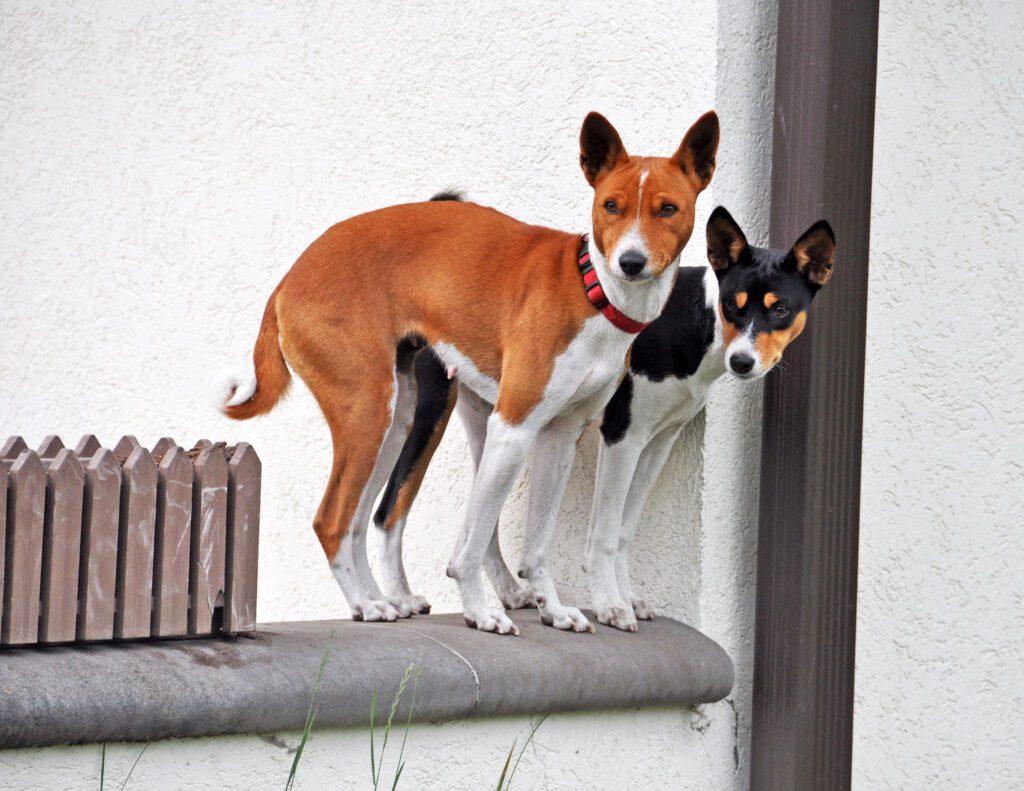
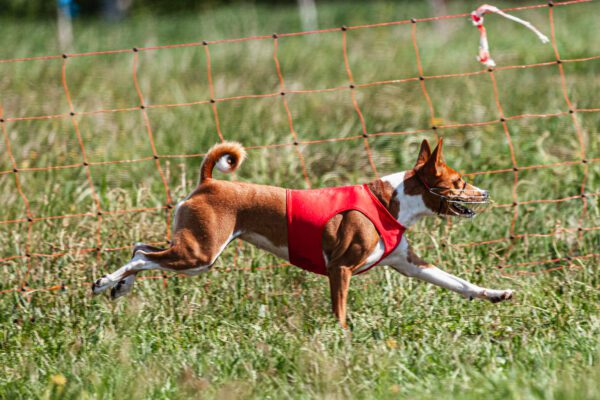
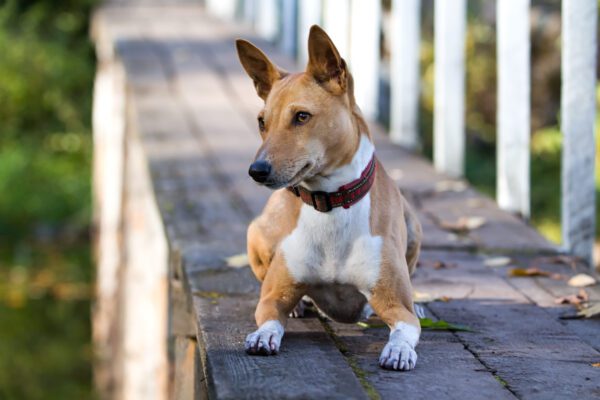
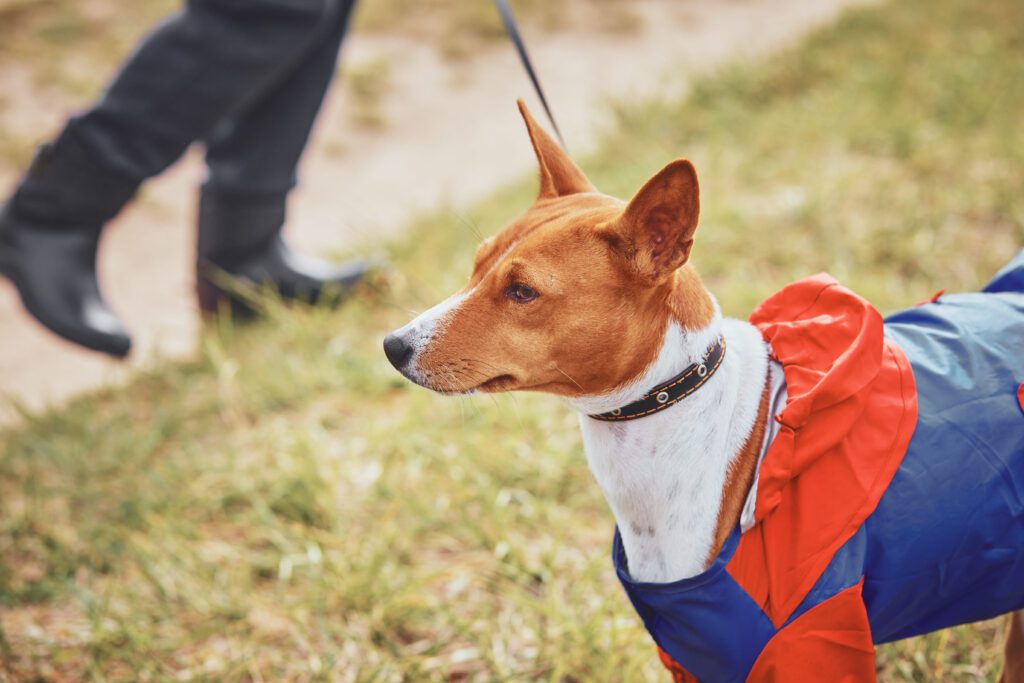
The Basenji is an athletic, curious, and clean companion with a short coat and minimal doggy odor. The breed rarely barks, yet it communicates with yodels and chirps, which many families find charming. Basenjis bond closely with their people, and they thrive when they receive daily exercise and mental challenges.
Good research sets every adoption up for success. Adoption gives a dog a new start, supports local shelter systems, and often includes important veterinary care at a lower cost than buying. Delaware offers a mix of suburban neighborhoods, small towns, and coastal areas that suit an active Basenji, yet the breed’s needs require thoughtful planning before you bring one home.
Delaware summers feel warm and humid, and winters can feel brisk with wet cold. A Basenji’s short coat provides little insulation, which means you should plan for a sweater in winter and shaded walks with water in summer. The state’s flat geography and access to parks invite daily exercise, but a Basenji’s prey drive and independent streak make consistent leash use and secure fencing essential.
You can avoid searching for rescues and shelters separately by using Dog Academy, which brings adoptable dogs into one easy-to-browse place. Dog Academy also provides clear educational guides and adoption checklists that help you prepare your home, plan your budget, and ask the right questions before you apply.
Start your search with local animal shelters, regional rescues, breed-specific rescue groups, and foster-based networks that serve the Mid-Atlantic. Basenjis appear as purebred dogs and as mixes, and breed-focused rescues sometimes list dogs statewide and in nearby regions. Some groups offer transport, which is the organized movement of dogs between locations to reach approved adopters.
Browse listings carefully and read each profile fully. Most groups ask you to submit an application that explains your schedule, housing type, fencing, pet history, and training plans. Expect requests for personal references, veterinary references, and landlord approval when you rent. Volunteers often conduct a phone interview to confirm fit and to answer your questions about the dog’s temperament and care needs.
Meet-and-greets usually happen at a shelter, a foster home, or a neutral public space. Many groups complete a home check, which can be virtual or in person, to verify safe containment and a suitable environment. Prepare by securing a crate, choosing a quiet decompression area, removing toxic plants, and checking every gate and latch. Approval timelines vary by group size and volunteer availability, and many adopters complete the process within 1 to 3 weeks.
If the right Basenji lives outside your immediate area, ask about transport options. Rescues may arrange transport between states using volunteer drivers or licensed carriers, and the group coordinates schedules, routes, and health certificates to keep the dog safe. Adopters sometimes pay a modest transport fee, and pickup often happens at a central meeting point.
|
How Much Does It Cost to Adopt a Basenji in Delaware?In Delaware, most Basenji adoptions through rescue groups fall between $300 and $450. Puppies or adults who receive recent comprehensive medical care can reach $500 to $600. Municipal shelters may ask less for Basenji mixes, yet breed-specific placements typically land in the $300 to $450 range because they include more veterinary services and post-adoption support. Age, training, recent medical care, and demand for a low-shedding companion influence the final fee. Adoption fees usually cover spaying or neutering, vaccinations, microchipping, and veterinary exams. Many groups also include deworming, heartworm testing, and initial preventives. A slightly higher fee can reflect professional training, dental work, or specialized diagnostics that the dog needed before placement. |
How Should I Train a Basenji?Basenjis are intelligent and observant, yet they are also independent. They learn quickly when training feels fun and rewarding, and they resist when drills feel repetitive. Use positive reinforcement with high-value treats, keep sessions short, and end on a success. Crate training, structured potty breaks, and calm decompression time help new Basenjis settle faster in a new home. Focus early on leash manners, impulse control, and reliable recall with a long line in safe areas. Teach leave-it, come, and settle, and reward generously for checking in with you. Basenjis have a strong prey drive and a talent for escaping, which means you should supervise yard time, repair gaps in fencing, and practice door manners every day. Provide mental outlets with scent games, puzzle feeders, trick training, and short urban sniff walks that let your dog gather information. You can build a strong foundation with Dog Academy’s online training courses, which provide step-by-step plans for recall, loose-leash walking, impulse control, and enrichment. Clear videos and printable lessons help busy Delaware families stay consistent, and support materials make it easy to troubleshoot common Basenji quirks. |
|
The ideal Basenji adopter enjoys daily walks, values patience and routine, and commits to secure management at home and on the road. The best matches provide steady structure, consistent training, and plenty of mental stimulation. A Basenji can live happily in an apartment or a house when exercise needs are met and escape routes are closed.
Take time to research, prepare your home, and meet several dogs before you decide. Thoughtful planning leads to a smoother transition and a stronger bond. When you move at a careful pace, you give your future Basenji the best chance to thrive in Delaware’s unique climate and lifestyle.

Introducing a new puppy to your current dog is often an exciting process, and many dogs will become fast friends and eas...
Read More
Rescue dogs can make great companions and can transform your home into something better. These dogs make great pets and ...
Read More
You should never rush to pet a dog. Even dog owners make the mistake of approaching unfamiliar dogs and petting them rig...
Read More
Puppy mill dogs are survivors who have endured extreme hardships in their lives. They have grown up in horrendous, unsan...
Read More
With their wagging tails and comforting presence, adopting a dog can add a unique touch to your life. It’s a heart...
Read More
Older dogs may have a few gray hairs around the edges, but that doesn’t mean they can’t make wonderful companions! T...
Read More