



























































































































































































Introducing a new puppy to your current dog is often an exciting process, and many dogs will become fast friends and eas...
Read MoreAdopt Me

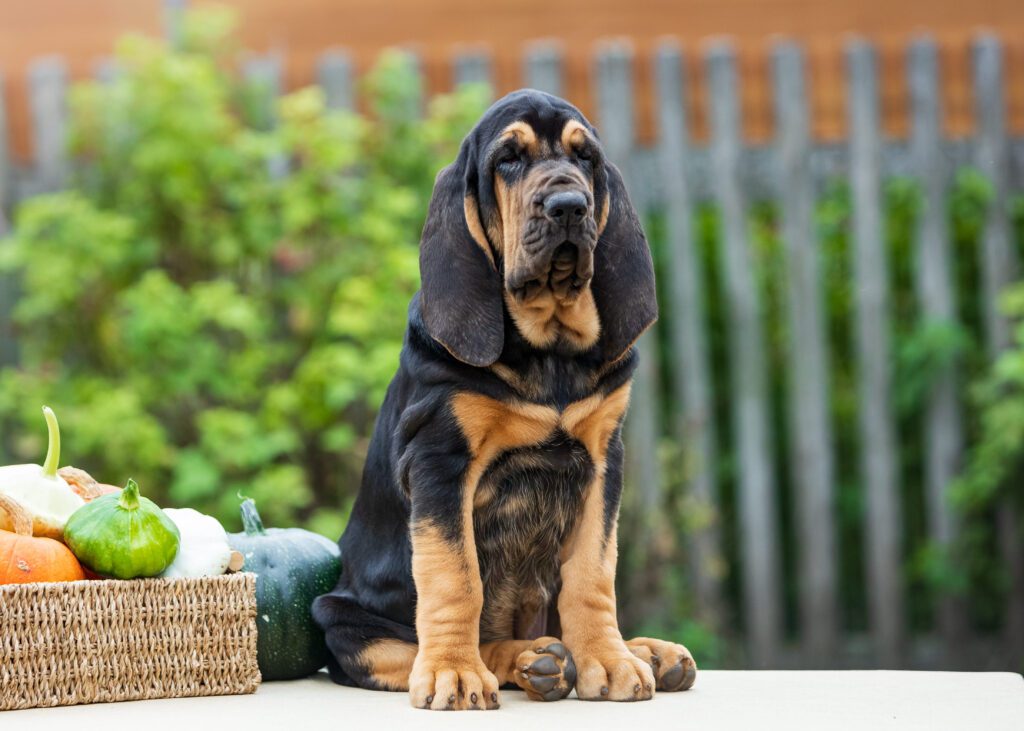
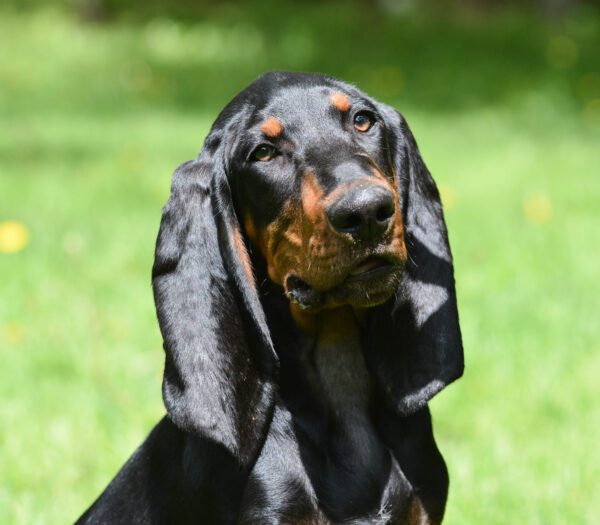
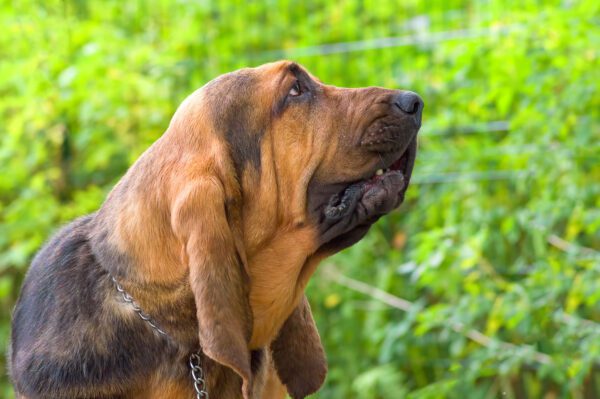
Bloodhounds are gentle, devoted, and famously nose-driven. These large scent hounds bond closely with families, love children when properly socialized, and thrive when they can work their remarkable sense of smell. If you want to adopt a Bloodhound in Delaware, take time to learn about the breed’s exercise needs, drool, vocal baying, and independent streak. Careful research helps you choose a dog that fits your routine and your home.
Adoption offers an ethical path that gives a dog a second chance and supports the lifesaving work of shelters and rescues. Adoption fees typically include essential veterinary care, which often reduces early costs. Buying can encourage irresponsible breeding, while adoption focuses on matching a dog’s temperament and history with your lifestyle.
Delaware’s climate features humid summers and chilly winters. Bloodhounds handle moderate cold with a warm coat and limited outdoor time when temperatures drop. Summer humidity can challenge a heavy-coated, large dog, so you must provide shade, fresh water, and cool walk times. Delaware’s flat neighborhoods, coastal paths, and wooded trails suit long sniff walks, yet apartment living can be difficult without dedicated daily exercise and a secure, well-managed routine.
You can skip the hassle of searching shelters and rescues one by one by using Dog Academy to browse adoption listings in one place. You can filter for breed and location, then follow links to begin each organization’s process. Dog Academy also offers educational guides and adoption checklists that help you prepare your home, choose supplies, and plan your first weeks together.
Look for adoptable dogs through local animal shelters, regional rescues, and breed-specific rescue groups. Read each profile closely. Confirm temperament with staff notes, ask about energy level and house manners, and consider any medical or training needs. Bloodhounds require patient handling, secure fencing, and structured sniff-based exercise. Understanding those needs before you apply helps you find a match that fits your daily life.
The typical process starts by browsing listings, then submitting an application with references and proof of housing permission when required. Many groups schedule a phone interview, followed by a meet-and-greet to confirm compatibility with family members and other pets. Home checks may be virtual or in person to confirm safety and secure fencing. Approval can take 3 to 14 days, depending on volunteer availability and the number of applications. Some rescues arrange transport to move dogs between locations when a strong match is found, and transport is often coordinated by the rescue to ensure safe travel and clear arrival plans.
|
How Much Does It Cost to Adopt a Bloodhound in Delaware?Most adopters in Delaware can expect to pay about $250 to $550 for an adult Bloodhound. Puppies often cost more due to higher demand and additional veterinary care, which commonly places puppy fees around $450 to $650. Fees vary with age, training history, recent medical care, and how long the dog has been waiting. Higher fees often reflect included services such as spaying or neutering, vaccinations, microchipping, and veterinary exams. A medically complex dog may cost slightly more if recent diagnostics or treatments were completed. A senior dog may cost slightly less to encourage adoption, though seniors can need ongoing care. Ask for an itemized explanation of what the fee covers so you can budget for training, food, insurance, and future veterinary visits. |
How Should I Train a Bloodhound?Bloodhounds are intelligent and sensitive, yet they are also independent. A Bloodhound follows scent first and everything else second. Positive reinforcement builds trust and keeps a scent hound engaged. Use high-value food rewards, calm praise, and short sessions. Avoid harsh corrections, which can shut down learning and create anxiety. Focus on recall with a long line in safe spaces, loose-leash walking, and calm settling skills. Add daily scent games to satisfy the need to track. Crate training supports rest and safety. Consistent routines reduce howling and pacing. Early socialization and gentle handling make vet visits and ear care easier. If you want structured guidance, explore Dog Academy’s online training courses for step-by-step lessons tailored to real homes and busy schedules. |

|
The ideal Bloodhound adopter enjoys long daily walks, has time for training, and maintains a secure yard or a solid management plan. A great match prioritizes scent work, patient guidance, and regular grooming that includes ear cleaning and skin fold checks. Families who value a calm companion indoors and an eager tracker outdoors often find the Bloodhound’s charm irresistible.
Preparation leads to success. Take your time, study breed needs, and set up your home before adoption day. Use Dog Academy’s resources to compare listings, plan your first month, and learn training basics. When you adopt thoughtfully, you give a Bloodhound in Delaware a safe, happy, and lasting home.

Introducing a new puppy to your current dog is often an exciting process, and many dogs will become fast friends and eas...
Read More
Rescue dogs can make great companions and can transform your home into something better. These dogs make great pets and ...
Read More
You should never rush to pet a dog. Even dog owners make the mistake of approaching unfamiliar dogs and petting them rig...
Read More
Puppy mill dogs are survivors who have endured extreme hardships in their lives. They have grown up in horrendous, unsan...
Read More
With their wagging tails and comforting presence, adopting a dog can add a unique touch to your life. It’s a heart...
Read More
Older dogs may have a few gray hairs around the edges, but that doesn’t mean they can’t make wonderful companions! T...
Read More