


























































































































































































Introducing a new puppy to your current dog is often an exciting process, and many dogs will become fast friends and eas...
Read MoreAdopt Me

Cutter (Bonded w Beauty)
Rehoboth Beach, DE
Breed: Mixed Breed (Small)
Sex: Male
Age: 2 yrs 6 mos
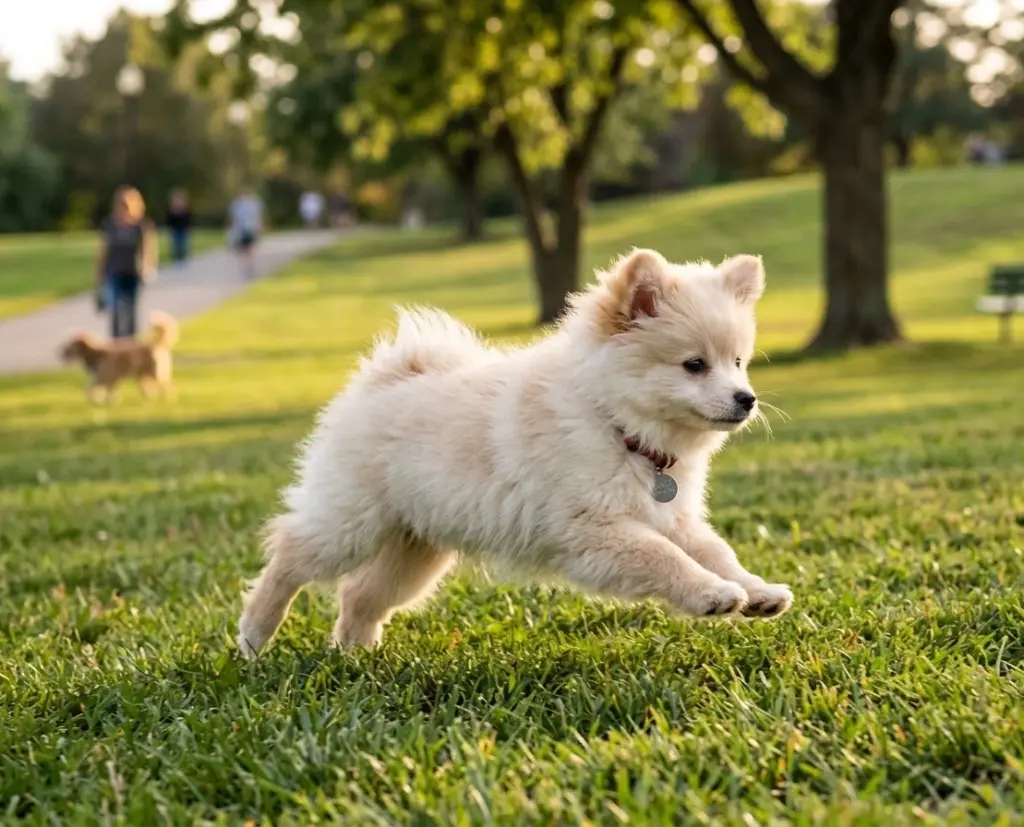
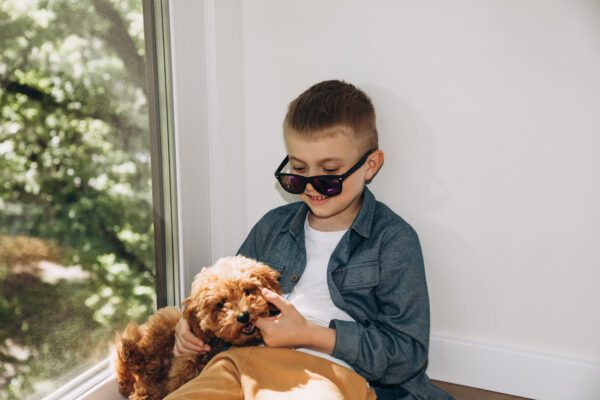
The Pomapoo is a small companion dog that blends the charm of the Pomeranian with the intelligence of the Poodle. Most Pomapoos are affectionate, quick to learn, and light to moderate shedders. They thrive on attention and do best with daily mental stimulation. Their compact size fits well in apartments and townhomes, yet they still enjoy brisk walks and playful games.
Smart adopters research before they bring any dog home. Learning about energy needs, grooming, and health helps you set realistic expectations. Adoption gives a dog a second chance and supports ethical practices. When you choose to adopt rather than buy, you help reduce overcrowding in shelters and encourage responsible caretaking of companion animals.
Delaware suits many Pomapoos because the state offers walkable neighborhoods, coastal towns, and suburban parks. Summers are humid, so plan shaded walks and plenty of water. Winters can be chilly and windy, especially near the coast, so short outings and indoor play work best. A Pomapoo adjusts well to these seasons when you manage exercise and coat care with consistent routines.
You can adopt a Pomapoo in Delaware through local animal shelters, regional rescues, and breed-specific rescue groups. You can avoid searching each rescue and shelter one by one by using Dog Academy. Dog Academy brings together adoption listings from multiple sources so you can browse in one place. You can also use Dog Academy for educational guides and adoption checklists that help you prepare for each step.
The process usually starts with browsing listings and reading each profile in full. Look for details on age, temperament, energy level, grooming needs, and any medical notes. When you find a match, you submit an application. Most applications request personal references, proof of residence, and landlord approval for renters. If you have current pets, you may be asked for vaccination records to confirm responsible ownership.
After an application review, many groups schedule a meet-and-greet. This visit helps you confirm size, personality, and compatibility with family members. Some groups also arrange a dog-to-dog introduction to ensure a safe fit with resident pets. A home check may follow, which can be virtual or in person. Home checks confirm safe fencing, secure doors, and appropriate spaces for rest and exercise. Approval timelines vary by group and by dog. Straightforward cases often move in 1 to 2 weeks, while medical or behavior needs can extend the timeline.
Some rescues include regional placements beyond Delaware. If a dog is out of state, transport is often arranged by rescues to move dogs between locations. Transport typically uses volunteer drivers or licensed carriers who follow set safety protocols. Final handoffs usually occur at agreed pickup points after approval and fee payment. The rescue will outline exact steps and timing so you can plan with confidence.
|
How Much Does It Cost to Adopt a Pomapoo in Delaware?In Delaware, most adopters pay $300 to $550 to adopt a Pomapoo through a shelter or rescue. Small, high-demand companion breeds often sit at the higher end of typical rescue fees. The fee usually covers spaying or neutering, vaccinations, microchipping, and veterinary exams. Many groups also include an initial dewormer and a basic flea and tick preventative. Age, training, medical care, and demand influence the final fee. Puppies and well-trained adults often cost more because they require extensive early care and draw strong interest. Seniors and dogs with manageable medical needs may sit near the lower end, though recent procedures can raise costs. Up-to-date dental cleanings, specialized diagnostics, and behavior support can also increase fees because they reflect real veterinary investment before adoption. |
How Should I Train a Pomapoo?The Pomapoo is intelligent and eager to please, which makes training efficient when you use short, upbeat sessions. Positive reinforcement works best. Reward desired behaviors with small treats, praise, and play. Keep sessions brief to prevent boredom and to maintain enthusiasm. Consistency and a clear routine help this sensitive mix feel safe and confident. Common challenges include house training in small dogs, alert barking, and separation stress. Set a strict potty schedule, use a crate sized for comfort, and reward outdoor success every time. Teach a quiet cue and reinforce calm when sounds occur in hallways or near windows. Build independence with gradual departures, enrichment toys, and predictable comings and goings. If you want structured guidance, explore Dog Academy’s online training courses. You can follow step-by-step lessons for puppy basics, loose-leash walking, polite greetings, and confidence building. You can also find support for separation anxiety, advanced manners, and fun tricks that challenge a smart Pomapoo mind. |

|
A great Pomapoo home offers daily companionship, gentle handling, and time for short walks and play. This mix suits apartment living when you commit to enrichment and routine exercise. Families with respectful children, retirees who enjoy a lap dog, and first-time adopters who follow a plan often do very well with this breed.
Set yourself up for success with preparation. Gather essentials like a crate, a harness, a flat leash, safe chews, grooming tools, and high-quality food. Choose a local veterinarian and map out a grooming schedule. Take your time, ask questions, and review every detail of the adoption profile. With patience and the right support, you can adopt a Pomapoo in Delaware and welcome a loving companion who fits your lifestyle year-round.

Introducing a new puppy to your current dog is often an exciting process, and many dogs will become fast friends and eas...
Read More
Rescue dogs can make great companions and can transform your home into something better. These dogs make great pets and ...
Read More
You should never rush to pet a dog. Even dog owners make the mistake of approaching unfamiliar dogs and petting them rig...
Read More
Puppy mill dogs are survivors who have endured extreme hardships in their lives. They have grown up in horrendous, unsan...
Read More
With their wagging tails and comforting presence, adopting a dog can add a unique touch to your life. It’s a heart...
Read More
Older dogs may have a few gray hairs around the edges, but that doesn’t mean they can’t make wonderful companions! T...
Read More