


























































































































































































Introducing a new puppy to your current dog is often an exciting process, and many dogs will become fast friends and eas...
Read MoreAdopt Me





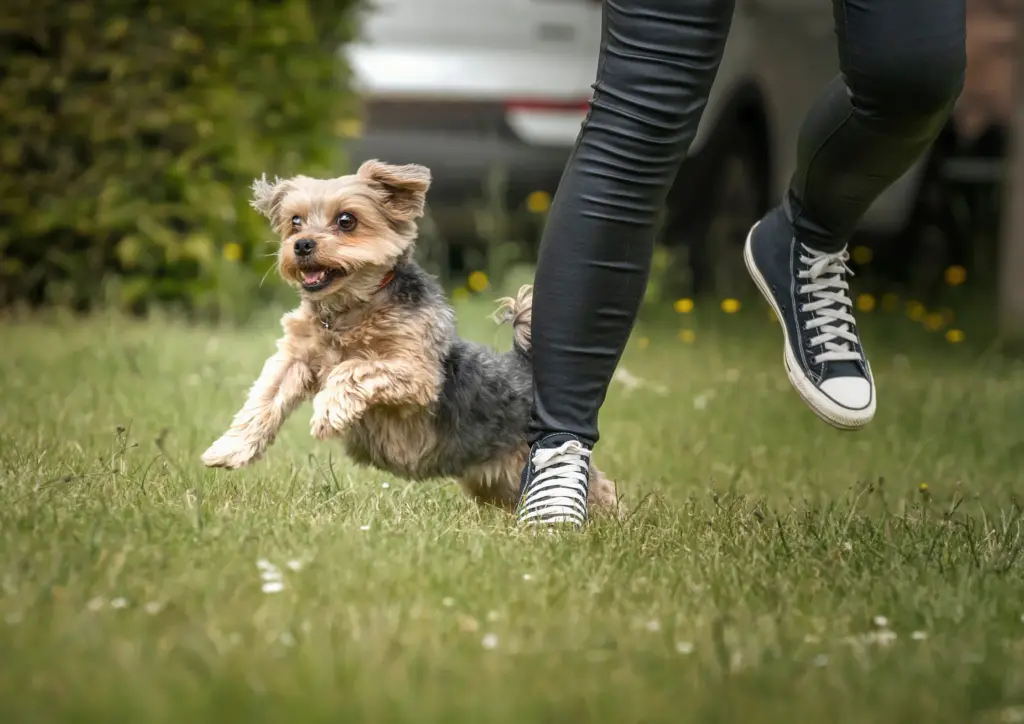
Yorkshire Terriers are small, spirited, and deeply loyal. This toy breed loves being close to people and thrives on attention and routine. A Yorkie brings big personality in a compact size, which makes daily living easier in apartments and townhomes. The coat is silky and low shedding, and regular brushing keeps it healthy and comfortable.
Smart planning helps every adoption succeed. Research the breed’s energy, grooming needs, and common health considerations before you apply. Choosing to adopt gives a dog a second chance and provides transparency about temperament and medical history. Adoption often includes essential veterinary care, and you also gain support from people who know the dog well.
Delaware’s coastal climate features humid summers and chilly winters. A Yorkshire Terrier can live comfortably in this environment with simple adjustments. Provide shade and water in summer, and use a light coat on cold or windy days. Delaware’s flat geography and neighborhood paths make short walks easy, while indoor play meets exercise needs during heat or frost. The breed suits a relaxed coastal lifestyle and busy city routines, as long as you commit to mental enrichment and gentle daily structure.
You can avoid searching local rescues and shelters one by one by using Dog Academy. Dog Academy’s adoption listings bring together dogs from local animal shelters, regional rescues, and breed-specific rescue groups in one place. You can browse photos and bios, filter by age or size, and save favorites. Dog Academy also shares educational guides and adoption checklists so you understand each step before you apply.
Start by reviewing listings and reading each bio carefully. Look for notes on temperament, energy level, medical care, and grooming needs. When you find a good match, complete the application. Most groups request basic information, proof of housing, and contact details for personal and veterinary references. If you rent, you may need a pet addendum that confirms your landlord allows dogs and lists any size limits.
After your application review, you will schedule a meet-and-greet. Meetings may happen at a shelter, at a foster home, or at a community event. Bring all household members, including current dogs, so the group can assess a safe fit. Ask about the dog’s routines, favorite rewards, grooming tolerance, and any training the dog already understands. If the dog needs ongoing medical care, request copies of records and instructions.
Some groups conduct a home check. This step confirms that your home is safe for a small dog and that you can manage doors, stairs, and yard gaps. Home checks may be in person or virtual. Approval timelines vary, and most adoptions finalize within 3 to 10 days after references clear and a meet-and-greet is complete. Rescue teams sometimes arrange transport between locations to move dogs to approved adopters, and transport is often coordinated through volunteer drivers or licensed carriers with a modest fee and a longer timeline. Once approved, you will sign an adoption contract, pay the fee, and set a pick-up date.

|
How Much Does It Cost to Adopt a Yorkshire Terrier in Delaware?Most adopters in Delaware can expect to pay $300 to $550 to adopt a Yorkshire Terrier. Fees trend higher for puppies and for dogs in high demand, while seniors often cost less. Costs reflect age, training, medical care, and regional demand. Fees typically include spaying or neutering, vaccinations, microchipping, and veterinary exams. Toy breeds often need dental care, and a recent dental cleaning can raise the fee slightly because it covers anesthesia, cleaning, and any extractions. If transport is arranged by a rescue to move a dog into Delaware, the group may add a separate transport charge to cover fuel, health certificates, and logistics. |
How Should I Train a Yorkshire Terrier?Yorkshire Terriers are bright, curious, and eager to learn. Short sessions with clear goals work best. Reward desired behavior right away with tiny treats or praise. Positive reinforcement builds confidence and keeps a sensitive toy breed engaged. Consistency matters, and using the same cues each time prevents confusion. Common challenges include barking at noises, house training setbacks, and pulling toward exciting scents. Prevent rehearsed barking by teaching a quiet cue, rewarding calm behavior, and providing daily enrichment with food puzzles and scent games. Support house training with crate routines, frequent outdoor breaks, and rewards for eliminating outside. Use a well-fitted harness for leash skills and reinforce walking near your side with frequent, small rewards. Grooming cooperation is part of training for this breed. Introduce brushing, nail trims, and tooth brushing with gradual steps and rewards. For structured help, explore Dog Academy’s online training courses, which offer step-by-step lessons for obedience, potty training, leash manners, and problem prevention. |
|
The best match is an adopter who enjoys close companionship, practices patient training, and can maintain regular grooming. A safe home with secure doors and careful supervision suits this tiny breed well. Families with children can succeed when everyone follows calm handling rules and respects the dog’s size.
Preparation leads to a smooth transition. Gather supplies, set a predictable routine, and review adoption and training guides before you bring your dog home. Take your time, ask detailed questions, and choose the dog whose needs fit your lifestyle. When you adopt a Yorkshire Terrier in Delaware with thoughtful planning, you give a deserving dog a happy and lasting home.

Introducing a new puppy to your current dog is often an exciting process, and many dogs will become fast friends and eas...
Read More
Rescue dogs can make great companions and can transform your home into something better. These dogs make great pets and ...
Read More
You should never rush to pet a dog. Even dog owners make the mistake of approaching unfamiliar dogs and petting them rig...
Read More
Puppy mill dogs are survivors who have endured extreme hardships in their lives. They have grown up in horrendous, unsan...
Read More
With their wagging tails and comforting presence, adopting a dog can add a unique touch to your life. It’s a heart...
Read More
Older dogs may have a few gray hairs around the edges, but that doesn’t mean they can’t make wonderful companions! T...
Read More