










































































































































































Introducing a new puppy to your current dog is often an exciting process, and many dogs will become fast friends and eas...
Read MoreAdopt Me





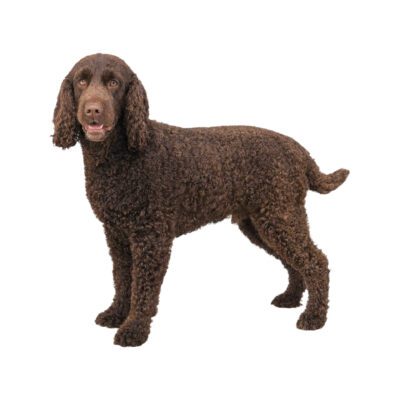
The Australian Labradoodle is a friendly, people-focused companion with a soft, low-shedding coat and an eager-to-please attitude. The breed blends the intelligence of the Poodle with the biddability of the Labrador Retriever, which creates a dog that thrives on training, play, and close family time. Many families choose this breed for its social nature, suitability for therapy work, and reputation for being easier on allergies, though no dog is fully hypoallergenic.
Thoughtful research sets you and your dog up for success. Learn about exercise needs, grooming, common health concerns, and training before you bring a dog home. Adoption is a kind choice because it opens space for another dog in need, curbs demand for irresponsible breeding, and often includes essential veterinary care that supports a healthy start.
Delaware suits the Australian Labradoodle well when owners plan for climate and lifestyle. Summers are humid and warm, which calls for shaded walks and steady hydration. Winters can be chilly, so a light jacket may help short-clipped coats. The state’s beaches, flat trails, and neighborhood parks provide excellent outlets for daily exercise. Suburban living is common in Delaware, and the breed adapts well to townhomes or single-family homes when it receives 45 to 60 minutes of activity each day. Regular grooming every 6 to 8 weeks and routine brushing keep the coat healthy in coastal humidity.
You can skip searching shelters and rescues one by one by starting with Dog Academy. You can browse current listings in one place, learn what to expect, and use educational guides and adoption checklists to prepare your home. You can also check local animal shelters, regional rescues, and breed-specific rescue groups that focus on poodle mixes. You should read each profile closely to understand energy level, size, coat type, medical needs, and temperament.
The process usually begins with browsing listings and submitting an application that covers your experience, schedule, and home setup. Many groups ask for references, landlord approval when you rent, and proof of fenced-yard access when a dog requires it. After an initial review, coordinators schedule a meet-and-greet so you can observe behavior, ask questions, and verify that the dog’s needs match your lifestyle.
Home checks help ensure safety and readiness. Volunteers confirm that your space is secure, that you have a plan for exercise, and that everyone in the household is on board. Approval timelines vary by group and by dog, though 1 to 3 weeks is common once your application is complete. Puppies and high-demand dogs may draw multiple applicants, which can extend the timeline.
Some rescues arrange transport to move dogs between locations when the best adopter lives farther away. Transport is often organized by volunteers or licensed carriers and can include health certificates, coordinated handoffs, and scheduled arrival windows. You should ask who provides the crate, how the dog is monitored during travel, and what fees apply.
|
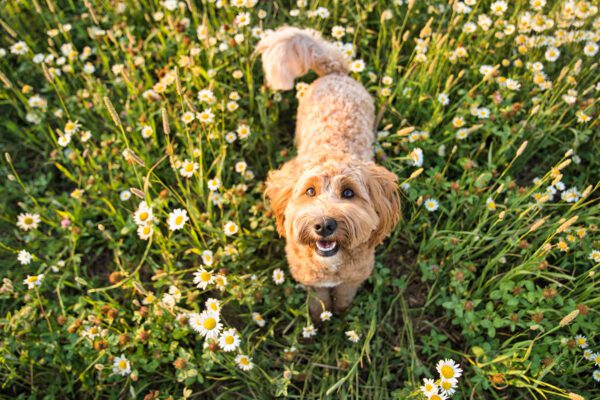
How Much Does It Cost to Adopt a Australian Labradoodle in Delaware?Adopting an Australian Labradoodle in Delaware typically costs $350 to $650. Fees trend higher than average because demand for doodle-type dogs is strong and because grooming, medical care, and training support can add to a rescue’s expenses before placement. Costs vary with age, training, medical history, and regional demand. Puppies and well-trained young adults often sit at the upper end. Senior dogs or dogs with ongoing medical needs may be lower. Most fees include spaying or neutering, vaccinations, microchipping, and veterinary exams. Many groups also provide a starter leash, a collar, and a brief training or behavior overview. You should budget for ongoing care after adoption, including professional grooming every 6 to 8 weeks, quality food, and training refreshers. |
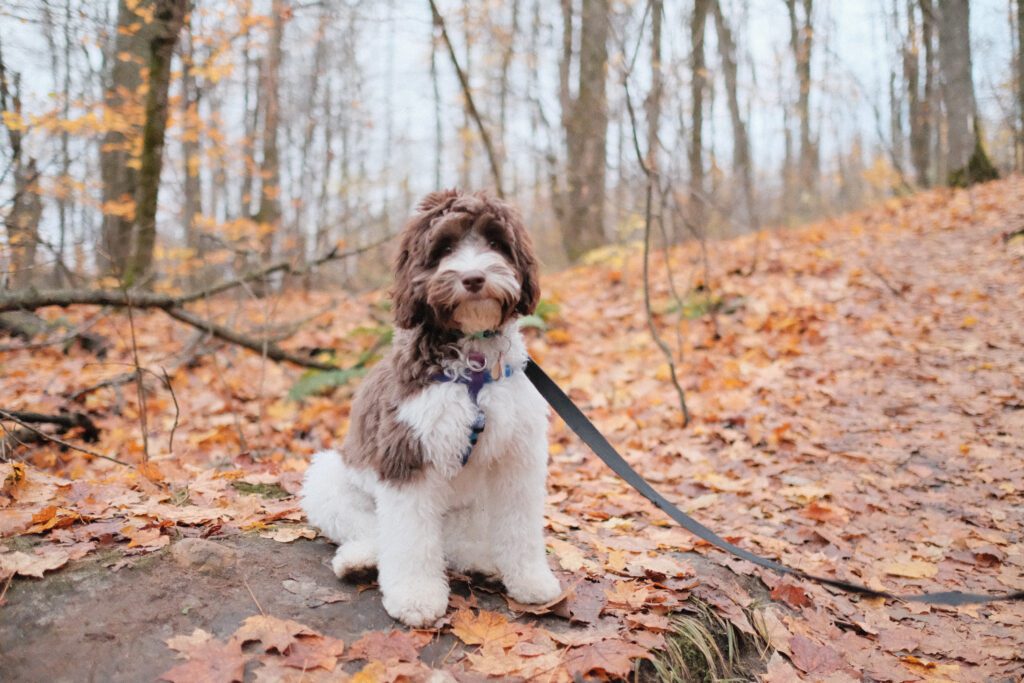
How Should I Train a Australian Labradoodle?The Australian Labradoodle is highly intelligent and enjoys learning. The breed responds quickly to positive reinforcement, which uses rewards like treats, toys, and praise to shape behavior. Short sessions that repeat core skills build focus and confidence. You can start with sit, down, stay, recall, and loose-leash walking, then add fun tasks like nose work or trick training to satisfy mental energy. Common challenges include exuberant greetings, jumping, mouthing during play, and pulling on leash. Consistent boundaries, daily exercise, and clear reward timing prevent most issues. Socialization with calm dogs and people helps reduce sensitivity to new places and sounds. Grooming cooperation is essential for this breed. You should teach calm brushing, gentle ear handling, and relaxed nail trims with rewards so salon visits are easy. For structured guidance, explore Dog Academy’s online training courses. You can follow step-by-step lessons for manners, impulse control, crate training, and leash skills. You can also troubleshoot problem behaviors and build reliable obedience at your own pace. |
|
The ideal adopter enjoys daily walks, play sessions, and frequent interaction. Families, active singles, and allergy-conscious households often thrive with this affectionate, social breed. A fenced area is helpful for safe play, though committed leash walkers can meet exercise needs with consistent outings and enrichment games.
Preparation makes adoption smooth and stress-free. Gather supplies in advance, choose a veterinarian, set a grooming schedule, and plan the first week of training. Take your time, ask thoughtful questions, and trust the match that fits your lifestyle. When you are ready to adopt a Australian Labradoodle in Delaware, use Dog Academy’s adoption tools and training resources to welcome your new companion with confidence.
Introducing a new puppy to your current dog is often an exciting process, and many dogs will become fast friends and eas...
Read More
Rescue dogs can make great companions and can transform your home into something better. These dogs make great pets and ...
Read More
You should never rush to pet a dog. Even dog owners make the mistake of approaching unfamiliar dogs and petting them rig...
Read More
Puppy mill dogs are survivors who have endured extreme hardships in their lives. They have grown up in horrendous, unsan...
Read More
With their wagging tails and comforting presence, adopting a dog can add a unique touch to your life. It’s a heart...
Read More
Older dogs may have a few gray hairs around the edges, but that doesn’t mean they can’t make wonderful companions! T...
Read More