



























































































































































































Introducing a new puppy to your current dog is often an exciting process, and many dogs will become fast friends and eas...
Read MoreAdopt Me

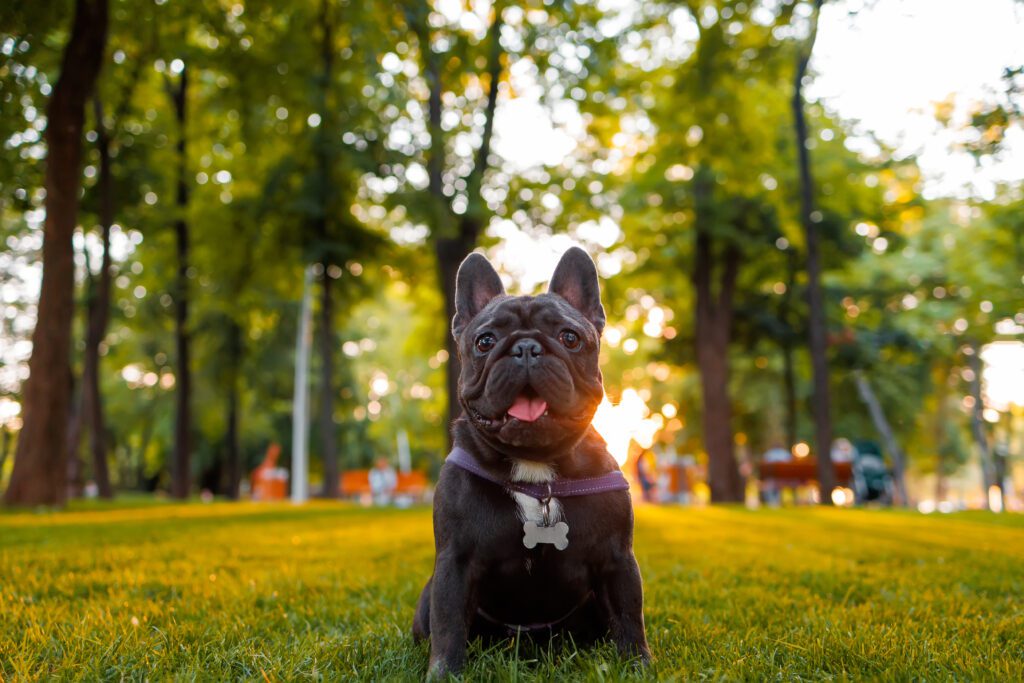


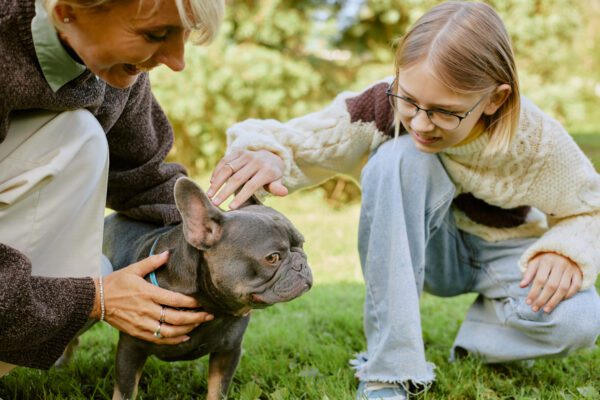
A Blue French Bulldog is a compact companion with a big personality. This breed is affectionate, people focused, and playful in short bursts. Most Blue Frenchies thrive on close contact, moderate exercise, and a predictable routine. The blue coat color adds visual appeal, yet the charm of this breed comes from its steady temperament and easygoing nature.
Research matters before you adopt a Blue French Bulldog in Delaware. Frenchies are brachycephalic, which means they have short muzzles and a higher risk of breathing issues. Careful management of heat, exercise, and weight keeps them healthy and happy. Adoption is preferable to buying because it supports animal welfare, gives a dog a second chance, and often includes vital veterinary care that makes the transition smoother and safer.
Delaware can be a great fit for a Blue French Bulldog if you plan carefully. Summers are hot and humid, which increases overheating risk during midday walks. Winters are cold and windy along the coast, so a warm coat can help during short outings. Delaware’s flat geography and compact cities suit shorter walks and indoor play. A home with air conditioning, easy access to shaded routes, and calm indoor space will set this breed up for success.
You can skip searching shelters and rescues one by one by starting with Dog Academy. The adoption listings gather dogs from local animal shelters, regional rescues, and breed-specific rescue groups so you can browse in one place. Dog Academy also offers educational guides and adoption checklists that explain how to prepare your home, assess your budget, and choose the right match for your lifestyle.
Begin by browsing listings and reading each profile carefully. Focus on age, temperament, medical notes, and activity needs. A good profile will explain whether the dog is house trained, crate trained, or working on basic cues. When you find a match, submit an application that includes personal information, details about your home, references, and proof of housing approval if you rent. Many organizations request a conversation with an adoption counselor to confirm fit and answer questions.
Next, plan a meet-and-greet. This introduction may happen at a shelter, a foster home, or a neutral public space. Bring all household members so the group can interact safely and calmly. If you already have a dog, ask about a controlled dog-to-dog introduction. Some groups require a home check to verify safety, fencing, and indoor set up. A home check confirms that you can manage climate control, safe storage of food and medications, and a space for rest and recovery.
The approval timeline often ranges from 3 to 14 days, though it may move faster for straightforward cases. If the ideal dog is outside Delaware, ask about transport. Transport is often arranged by rescues to move dogs between states using volunteer drivers or professional carriers. The group coordinates schedules, confirms health certificates when required, and sets a clear handoff plan so the dog travels safely and arrives ready to settle in.
|
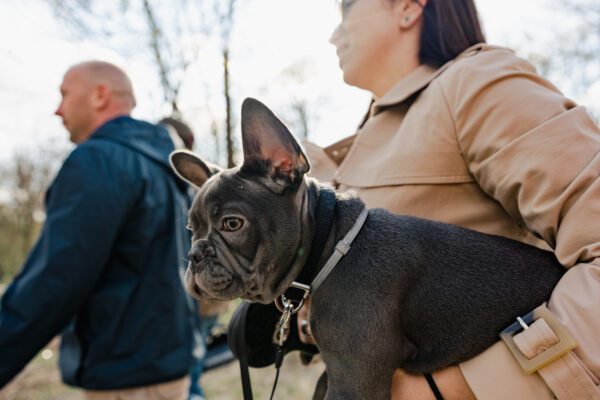
How Much Does It Cost to Adopt a Blue French Bulldog in Delaware?Expect an adoption fee in Delaware between $400 and $800 for a Blue French Bulldog. This estimate reflects high demand for the breed and the medical care often needed for brachycephalic dogs. Younger dogs and those with extensive training usually fall near the top of the range. Seniors and dogs with known medical needs may cost less, though they may require ongoing care after adoption. Adoption fees typically include spaying or neutering, vaccinations, microchipping, and veterinary exams. Costs vary based on age, training, medical care already provided, demand for the breed, and whether transport is used to bring the dog into the state. A transparent itemization helps you see what the fee covers and what you should budget for after adoption. |
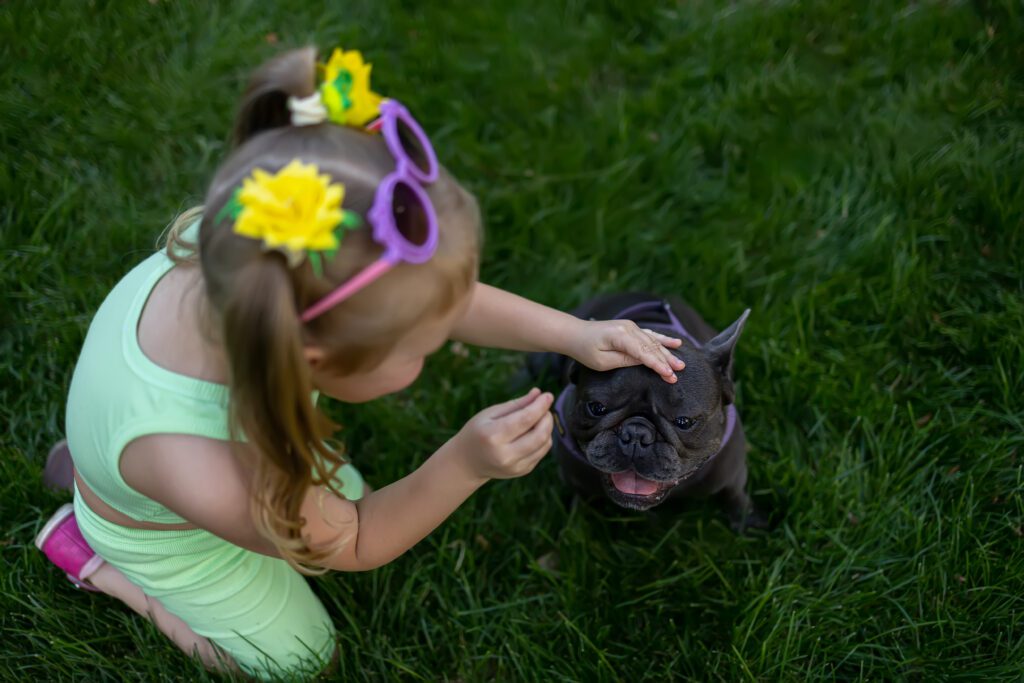
How Should I Train a Blue French Bulldog?Blue French Bulldogs are bright, social, and eager to earn rewards, which makes training smooth when you keep sessions short and upbeat. Use positive reinforcement with food rewards, praise, and play. Focus on name recognition, sit, down, stay, come when called, loose leash walking, and calm greetings. Keep sessions to 3 to 5 minutes and end on a success to build momentum. Common challenges include stubborn moments, house training delays, and occasional barking for attention. Consistency solves most issues. Take your dog outside on a predictable schedule, reward outdoor elimination immediately, and use a crate to promote reliable habits. Choose a flat front-clip harness to protect the airway during walks. Avoid intense exercise and watch for overheating, which can show as heavy panting, glazed eyes, or slowing down. For step-by-step help, explore Dog Academy’s online training courses, which provide structured lessons, troubleshooting guides, and coaching that suits busy Delaware lifestyles. |
|
The ideal adopter enjoys quiet companionship, short daily walks, and lots of indoor time. Families with gentle children, first-time owners who want guidance, and apartment dwellers who can manage climate control often do well with this breed. A realistic budget for routine care and potential allergy or airway support helps ensure long-term stability.
Preparation leads to a smooth transition. Gather supplies, choose a local veterinarian, and set up a calm rest area before the dog arrives. Take your time, ask questions, and confirm that the dog’s needs match your routine. With patience and planning, you can adopt a Blue French Bulldog in Delaware and welcome a loyal companion who fits your life.

Introducing a new puppy to your current dog is often an exciting process, and many dogs will become fast friends and eas...
Read More
Rescue dogs can make great companions and can transform your home into something better. These dogs make great pets and ...
Read More
You should never rush to pet a dog. Even dog owners make the mistake of approaching unfamiliar dogs and petting them rig...
Read More
Puppy mill dogs are survivors who have endured extreme hardships in their lives. They have grown up in horrendous, unsan...
Read More
With their wagging tails and comforting presence, adopting a dog can add a unique touch to your life. It’s a heart...
Read More
Older dogs may have a few gray hairs around the edges, but that doesn’t mean they can’t make wonderful companions! T...
Read More