



























































































































































































Introducing a new puppy to your current dog is often an exciting process, and many dogs will become fast friends and eas...
Read MoreAdopt Me

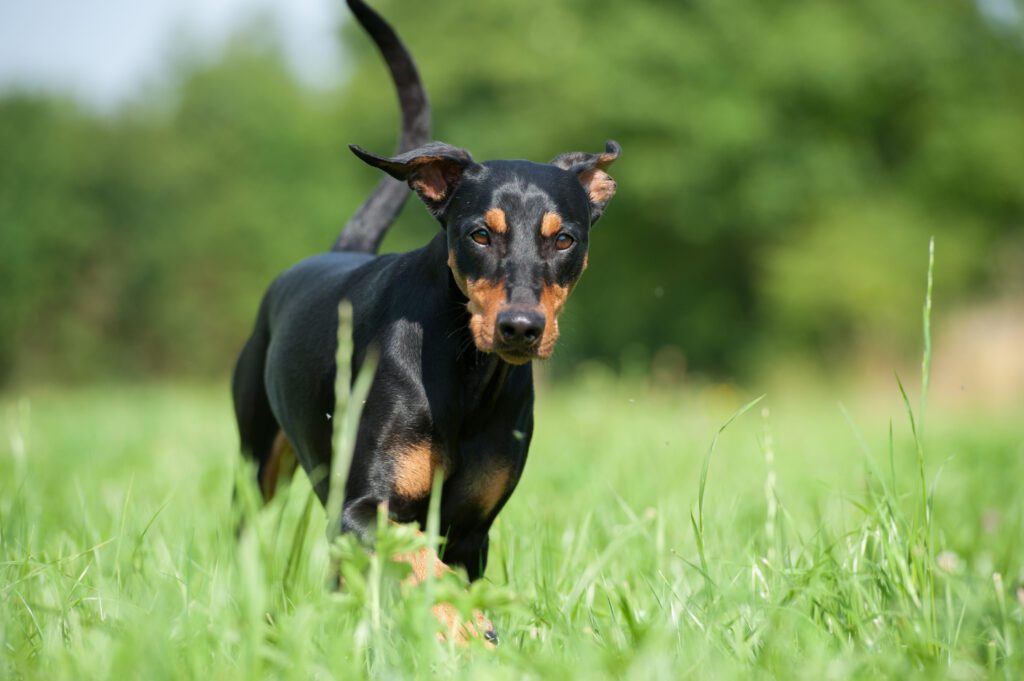
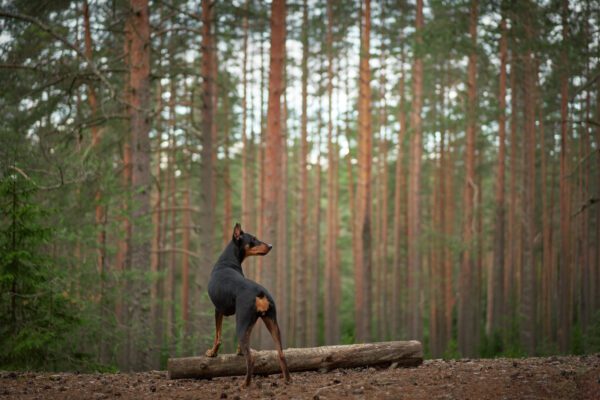
The German Pinscher is alert, athletic, and deeply loyal. This breed offers sharp intelligence, moderate grooming needs, and a spirited personality that bonds closely with an engaged owner. Careful research always leads to better matches because an informed adopter can meet this breed’s energy, exercise, and training needs with confidence.
Adoption helps a dog in need and supports responsible rescue work. Many German Pinschers enter rescue through owner surrenders or transfers, which means adopters often receive helpful history. Delaware suits this breed well because the state offers quick access to neighborhoods, trails, and open spaces that support daily exercise. Summers in Delaware are humid, so adopters should plan early walks and provide shade and water. Winters can be cold and windy along the coast, so a warm indoor space and a fitted coat help a short-coated German Pinscher stay comfortable. Active households in Delaware’s suburban towns or rural areas can provide the regular movement and structure this breed requires.
You can avoid searching shelters and rescues one by one by using Dog Academy to browse adoption listings in a single place. You can review photos, read behavior notes, and apply directly from the listing page. You can also use Dog Academy’s educational guides and adoption checklists to prepare your home, ask the right questions, and plan a smooth transition for your new dog.
Start your search with local animal shelters, regional rescues, breed-specific rescue groups, and foster-based networks. Availability can change week to week. Many organizations share dogs between locations to match the right homes. Transport is often arranged by rescues to move dogs between states or regions using volunteer drivers or licensed carriers, and adopters usually receive a pickup schedule and clear instructions.
Most adoptions follow a similar path. You browse listings and select a dog that fits your lifestyle. You submit an application that includes references, proof of housing policy compliance, and information about your routine. If your application looks like a match, you schedule a meet-and-greet that may be in person or virtual. Families usually bring all household members and any resident dogs so that the rescue can assess compatibility. Many groups complete a home check that can be virtual or in person to confirm safe fencing, secure gates, and suitable space. Straightforward approvals often take 3 to 10 days. Puppies, bonded pairs, or medical cases can take 2 to 3 weeks due to extra screening.
Understanding the breed’s needs helps your application stand out. A German Pinscher thrives with daily aerobic exercise for 60 to 90 minutes, structured training, and consistent rules. Clear plans for mental enrichment, reliable containment, and ongoing training show that you can offer a stable, engaged home. Foster caregivers can share day-to-day insights about energy levels, house manners, and crate comfort to help you decide if the dog is the right fit.
|
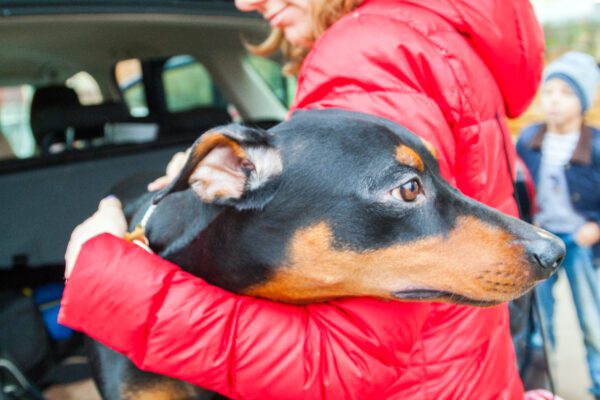
How Much Does It Cost to Adopt a German Pinscher in Delaware?Most adopters in Delaware can expect to pay $300 to $550 to adopt a German Pinscher. Puppies and young adults with high demand may cost slightly more, often $450 to $650. Fees vary based on age, training progress, recent medical care, and regional demand for the breed. Adoption packages typically include spaying or neutering, vaccinations, microchipping, and veterinary exams. Some organizations add a transport fee of $50 to $200 when moving a dog from another region, which covers fuel, health certificates, and safe travel arrangements. |
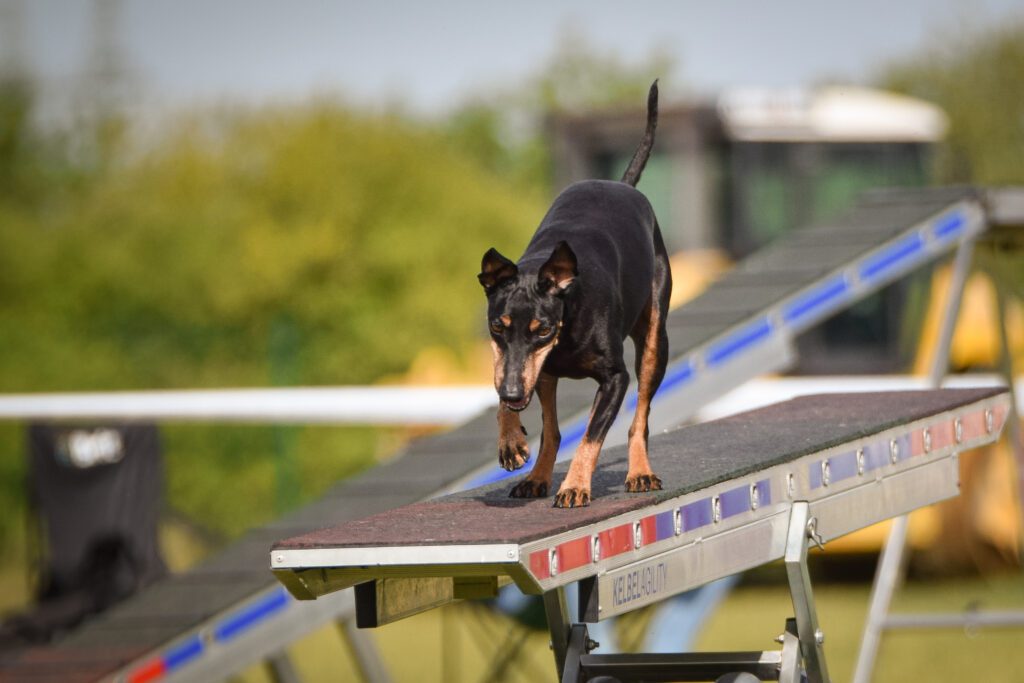
How Should I Train a German Pinscher?The German Pinscher is highly intelligent and responsive, which makes training efficient when you use clear structure and rewards. This breed is alert and independent, so it benefits from short, focused sessions that mix obedience with problem-solving games. Positive reinforcement builds trust and drive. Reward calm choices, reinforce a strong recall, and practice loose-leash walking in low-distraction areas before progressing to busier streets. Common challenges include impulse control, vocal alerting, and a strong prey interest. You can channel energy with daily sniff walks, tug with rules, and structured fetch that ends on a cue. Teach settle on a mat, cue quiet after a single alert bark, and rotate puzzle feeders to satisfy mental needs. Early socialization helps the dog stay confident around visitors, new surfaces, and city sounds. Crate training, practiced alone-time, and consistent house rules reduce restlessness and prevent destructive habits. For step-by-step support, explore Dog Academy’s online training courses to build reliable obedience, impulse control, and polite manners at home. |
|
The ideal adopter enjoys an active lifestyle, provides daily exercise, and maintains calm, consistent boundaries. A home with secure fencing, a predictable routine, and time for enrichment suits this breed well. Families with older children or adults who like hiking, jogging, or brisk neighborhood walks will find a motivated partner in a German Pinscher.
Preparation leads to success. Gather supplies, set up safe rest areas, and map out a training plan before pickup. Take time to meet several dogs, ask detailed questions, and review behavior notes. A thoughtful process helps you adopt a German Pinscher in Delaware who fits your life today and thrives with you for years to come.

Introducing a new puppy to your current dog is often an exciting process, and many dogs will become fast friends and eas...
Read More
Rescue dogs can make great companions and can transform your home into something better. These dogs make great pets and ...
Read More
You should never rush to pet a dog. Even dog owners make the mistake of approaching unfamiliar dogs and petting them rig...
Read More
Puppy mill dogs are survivors who have endured extreme hardships in their lives. They have grown up in horrendous, unsan...
Read More
With their wagging tails and comforting presence, adopting a dog can add a unique touch to your life. It’s a heart...
Read More
Older dogs may have a few gray hairs around the edges, but that doesn’t mean they can’t make wonderful companions! T...
Read More