























































































































































































Introducing a new puppy to your current dog is often an exciting process, and many dogs will become fast friends and eas...
Read MoreAdopt Me

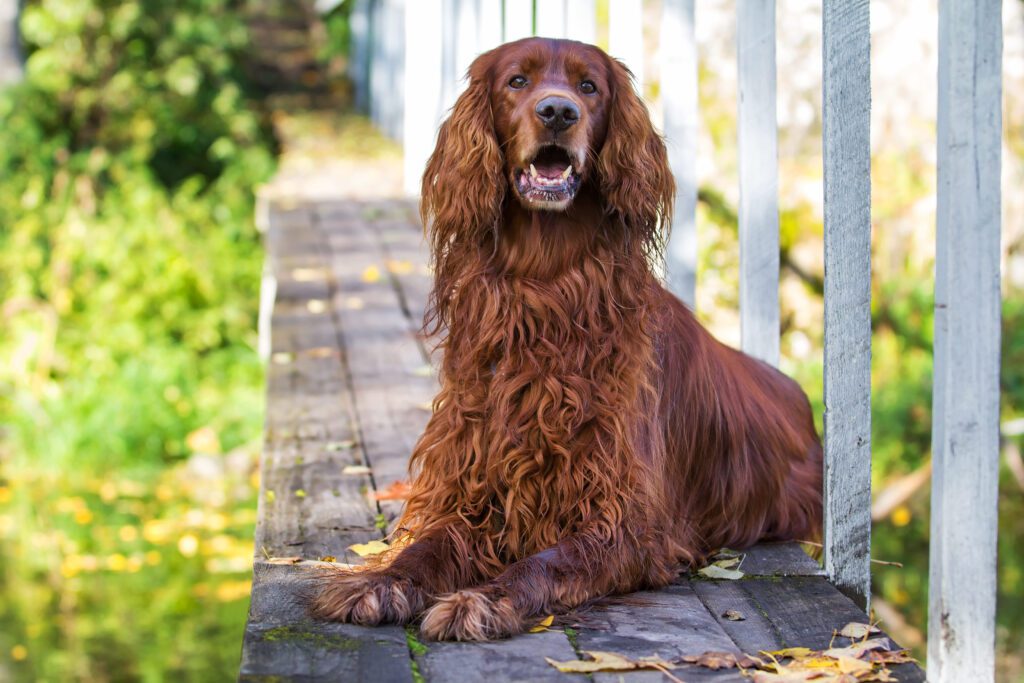

The Irish Setter is athletic, affectionate, and eager to join every family activity. This breed is known for a joyful spirit, a gentle temperament, and a love of people. An Irish Setter thrives when the household provides daily exercise, mental stimulation, and patient training. Careful research helps you match this energetic breed with your lifestyle, your budget, and your home environment.
Adoption is a compassionate choice that gives a deserving dog a new start. Adopting often includes essential veterinary care and behavior insights from fosters or shelter teams. Adoption also supports local animal welfare efforts while helping you find a well-matched companion. Delaware suits active families who enjoy beach walks, flat trails, and neighborhood runs. Summers in Delaware are warm and humid, which means early morning or evening exercise keeps an Irish Setter comfortable. Winters are moderate, yet the wind at the coast can feel sharp, so a fitted coat during cold snaps keeps your dog warm.
Delaware’s small size makes it easy to reach trails and open spaces across the state. An Irish Setter appreciates safe, fenced areas for play and reliable recall for off-leash privileges where rules allow them. The breed’s silky coat needs regular brushing to manage shedding after outdoor adventures. Planning for grooming, training, and exercise ensures you adopt with confidence and set your dog up for success.
You can avoid searching separate rescues and shelters by using Dog Academy to browse adoptable Irish Setters and similar breeds in one place. You can also use Dog Academy for educational guides and a practical adoption checklist to prepare your home, your supplies, and your schedule. In Delaware, you can find adoptable dogs through local animal shelters, regional rescues, and breed-specific rescue groups that focus on sporting dogs. Many organizations list dogs online with photos, behavior notes, and location details.
The process starts with browsing listings and reading each profile carefully. Profiles usually outline age, size, energy level, known training, and any medical needs. Once you find a good match, you submit an application that covers your home setup, your experience with dogs, and your daily routine. Some groups request veterinary references and landlord approval when relevant. Honest answers help teams make a thoughtful match that fits your lifestyle.
After an application review, you schedule a meet-and-greet. This meeting lets you confirm compatibility, ask questions, and see how the dog responds to you and any resident pets. A home check may follow to confirm safe fencing, secure storage for food and cleaning products, and a quiet space for decompression. Approval timelines vary, but many Delaware adoptions finalize in 1 to 3 weeks. Timelines may extend if the dog needs extra medical care or if the group coordinates transport.
Transport is often arranged by rescues to move dogs between states or shelters so they can reach approved adopters. Transport usually involves a health certificate when required, safe travel crates, scheduled rest stops, and vetted drivers who follow strict safety rules. Clear communication about pickup points and arrival times keeps the process smooth.

|
How Much Does It Cost to Adopt a Irish Setter in Delaware?In Delaware, adoption fees for an Irish Setter typically range from $200 to $450. Younger dogs with high demand and recent veterinary care often sit near the top of this range, while seniors and dogs with established training may be closer to the lower end. Fees reflect the real cost of care and the support needed to place each dog responsibly. Most fees help cover spaying or neutering, vaccinations, microchipping, and veterinary exams. Costs can increase when a dog has specialized medical treatment, recent dental work, or professional training. Age, training, medical care, and demand all affect the final fee. Asking what the fee includes ensures you understand value and any follow-up costs you should plan to handle after adoption. |
How Should I Train a Irish Setter?The Irish Setter is bright, sensitive, and highly motivated by praise and play. Consistent positive reinforcement works best, especially when you reward focus and calm choices. Short sessions that mix food rewards, toys, and verbal praise keep training engaging. Regular exercise before training helps this energetic breed concentrate. Common challenges include jumping to greet, pulling on leash, and getting distracted by birds or squirrels. Focus on impulse control, loose-leash walking, reliable recall, and calm greetings. Teach a strong sit, a down, and a stay, then build difficulty with distance and distractions. Rotate scent games, fetch with rules, and puzzle toys to prevent boredom and channel natural field instincts. Structured guidance speeds progress. You can build a custom plan with Dog Academy’s online training courses, which cover foundation skills, recall, leash manners, crate training, and enrichment routines tailored for active breeds. Follow a consistent schedule, track wins in a simple log, and raise criteria slowly so your Irish Setter gains confidence with every success. |
|
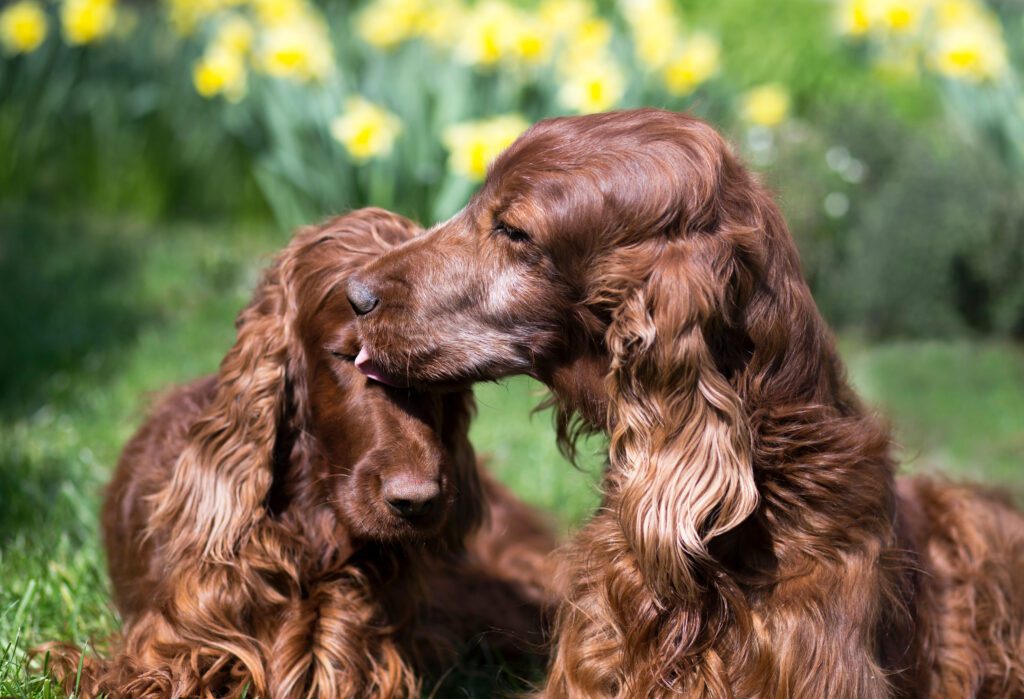
The ideal adopter enjoys daily activity, values routine, and has time for training, grooming, and play. A home with a secure yard or reliable access to safe trails is helpful. Families that love outdoor time and steady structure are well suited to this affectionate and energetic companion.
Prepare with quality food, a fitted harness, a sturdy leash, an ID tag, a crate, and interactive toys. Set a veterinary appointment within the first week, and plan a gradual introduction to your home. Take your time, ask questions, and keep learning. When you are ready to adopt a Irish Setter in Delaware, patience and preparation will help you welcome the perfect match.

Introducing a new puppy to your current dog is often an exciting process, and many dogs will become fast friends and eas...
Read More
Rescue dogs can make great companions and can transform your home into something better. These dogs make great pets and ...
Read More
You should never rush to pet a dog. Even dog owners make the mistake of approaching unfamiliar dogs and petting them rig...
Read More
Puppy mill dogs are survivors who have endured extreme hardships in their lives. They have grown up in horrendous, unsan...
Read More
With their wagging tails and comforting presence, adopting a dog can add a unique touch to your life. It’s a heart...
Read More
Older dogs may have a few gray hairs around the edges, but that doesn’t mean they can’t make wonderful companions! T...
Read More