



























































































































































































Introducing a new puppy to your current dog is often an exciting process, and many dogs will become fast friends and eas...
Read MoreAdopt Me

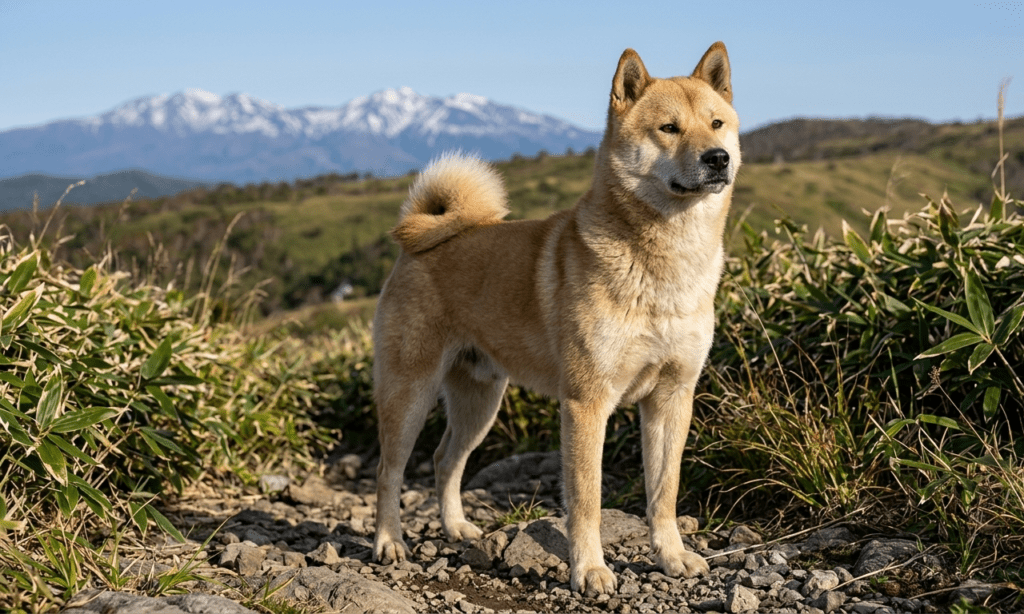
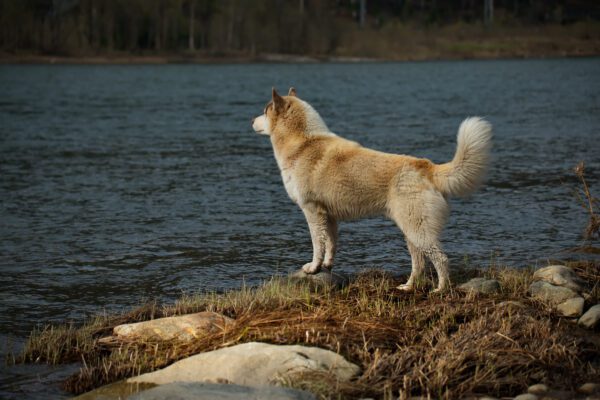
The Hokkaido is a devoted, athletic spitz breed with a thick double coat, sharp intelligence, and calm confidence. This dog bonds closely with family, stays alert without being noisy, and enjoys active time outdoors. A Hokkaido often acts reserved with strangers, which makes early socialization important. Thoughtful adopters value this breed for loyalty, toughness, and a steady temperament.
Research matters before you adopt a Hokkaido in Delaware. Learn about exercise needs, grooming, and training so you match the breed well. Adoption is a responsible choice because it gives a dog a second chance, supports community shelters and rescues, and often includes essential veterinary care. Careful planning helps you welcome the right dog and lowers the risk of returns.
Delaware offers four distinct seasons, coastal winds, and hot, humid summers. A Hokkaido thrives in cool weather, so summer heat management becomes essential. Plan shaded walks, fresh water, and indoor rest during peak heat. The state’s parks, beaches that allow dogs, and suburban neighborhoods suit a fit and curious dog that enjoys hikes and structured play. Tick prevention is important in wooded and grassy areas. A secure fence and consistent exercise help this energetic breed settle at home.
You can skip separate searches of rescues and shelters by using Dog Academy to browse adoption listings in one place. You can also use Dog Academy’s educational guides and adoption checklists to prepare your home, compare applications, and plan your first weeks with your new dog.
Start your search through local animal shelters, regional rescues, and breed-specific rescue groups. Hokkaidos are uncommon in the United States, so you may see available dogs in nearby states within the Mid-Atlantic region. Many dogs enter rescue as owner surrenders, as transfers from crowded shelters, or as strays that match breed traits. Read each biography carefully to understand energy level, sociability, and any training history.
The adoption process begins with browsing listings and selecting a good match. You submit an application that usually asks for identification, landlord approval when you rent, and personal or veterinary references. After an application review, many groups schedule a meet-and-greet with household members and resident pets. A home check often follows, which may be virtual or in person, to confirm safe fencing, secure storage of chemicals, and an area for rest and feeding. Approval timelines vary, but many decisions arrive within 1 to 3 weeks. Some groups offer foster-to-adopt, which lets you host the dog while finalizing the match.
If your match lives out of state, rescues sometimes arrange transport to move dogs between locations. Transport can involve volunteer drivers or licensed carriers that follow safety protocols. Groups may require a health certificate from a veterinarian and a confirmed pickup point. Clear communication about dates, travel time, and fees helps you plan a smooth arrival.
|
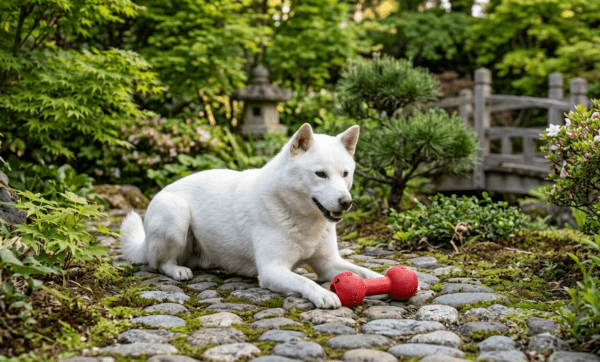
How Much Does It Cost to Adopt a Hokkaido in Delaware?Expect adoption fees of about $250 to $450 through Delaware shelters and $350 to $650 through breed-specific rescues in the Mid-Atlantic. The Hokkaido’s rarity can influence pricing because some dogs receive advanced medical care or behavior support before placement. Fees reflect age, training progress, medical history, and local demand. Puppies and young adults tend to cost more, while seniors often cost less. Most adoption fees include spaying or neutering, vaccinations, microchipping, and veterinary exams. Some organizations also provide heartworm testing, parasite treatment, and a starter supply of preventatives. When you compare fees, review what the dog has already received and ask for documentation. A well-documented history helps you budget for future care with fewer surprises. |
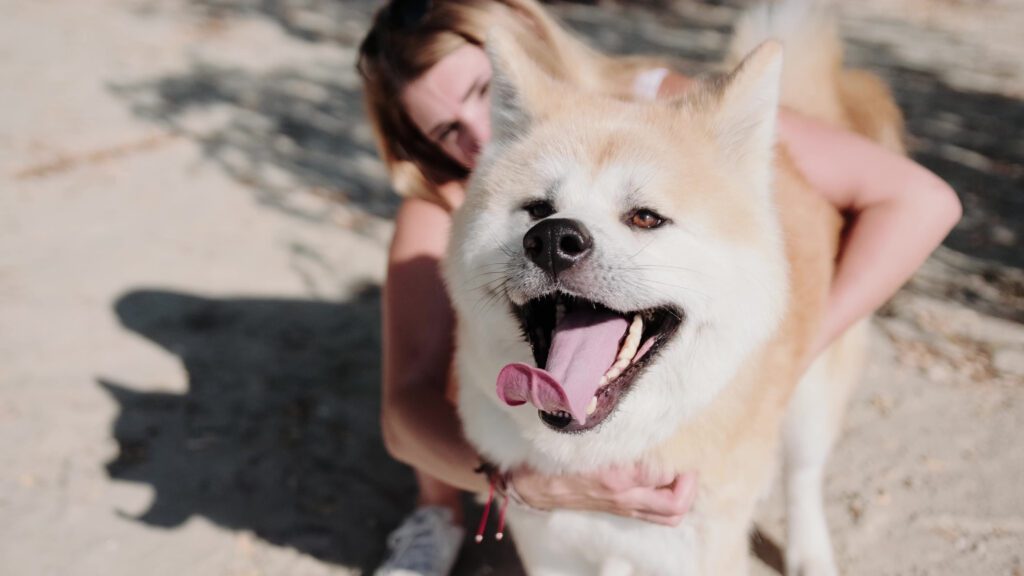
How Should I Train a Hokkaido?The Hokkaido is intelligent and learns quickly when training feels clear, fair, and rewarding. This breed also shows independence, so respectful leadership and consistency matter. Use positive reinforcement with high-value food rewards, toys, and praise to build engagement. Keep sessions short and focused, and end on a success. A confident dog responds best when training stays upbeat and predictable. Plan early socialization with calm people and stable dogs to prevent aloofness from turning into reactivity. Many Hokkaidos have a strong prey drive, so you should teach a reliable recall on a long line and reinforce impulse control with sit-and-wait at doors and gates. Practice loose leash walking, crate training for rest and travel, and mat training for calm behavior in public. Add enrichment like scent games and structured fetch to channel energy in healthy ways. You can build essential skills with Dog Academy’s online training courses. Step-by-step lessons support foundation obedience, recall, loose leash walking, and polite greetings. Consistent practice and clear criteria help a Hokkaido gain confidence and make good choices at home and on the trail. |
|
The ideal adopter enjoys daily exercise, values structure, and has time for training and socialization. A secure yard, a steady routine, and regular grooming for a double coat keep this breed at its best. Families that hike, explore local trails, and schedule brain games tend to see a calm and content companion at home.
Preparation leads to a strong match, so take your time and ask detailed questions. Review needs, plan for hot summers, and set training goals before you bring your dog home. When you move thoughtfully, you set up your Hokkaido for success and enjoy a loyal partner for years to come.

Introducing a new puppy to your current dog is often an exciting process, and many dogs will become fast friends and eas...
Read More
Rescue dogs can make great companions and can transform your home into something better. These dogs make great pets and ...
Read More
You should never rush to pet a dog. Even dog owners make the mistake of approaching unfamiliar dogs and petting them rig...
Read More
Puppy mill dogs are survivors who have endured extreme hardships in their lives. They have grown up in horrendous, unsan...
Read More
With their wagging tails and comforting presence, adopting a dog can add a unique touch to your life. It’s a heart...
Read More
Older dogs may have a few gray hairs around the edges, but that doesn’t mean they can’t make wonderful companions! T...
Read More