



























































































































































































Introducing a new puppy to your current dog is often an exciting process, and many dogs will become fast friends and eas...
Read MoreAdopt Me

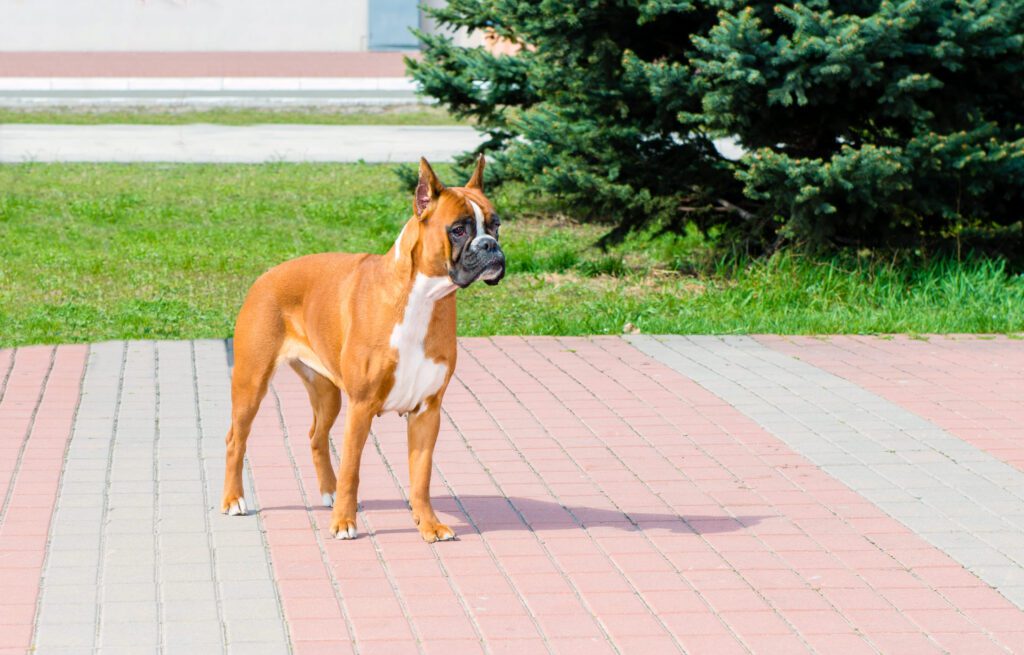

Boxers are bright, playful, and deeply loyal. The breed bonds closely with people and loves to be part of daily life. A well trained Boxer brings charm, athleticism, and a steady temperament to any household that provides structure and exercise.
Responsible adoption begins with research. You should understand Boxer energy levels, grooming needs, and common health concerns before you bring one home. Adoption is preferable to buying because it opens space in shelters, supports ethical care, and often includes essential veterinary work that protects the dog and your family.
Delaware offers a good fit for many Boxers. The state has coastal plains, suburban neighborhoods, and accessible parks that make daily walks simple. Summers are hot and humid, so Boxers need shaded breaks and water because they tolerate heat poorly. Winters can be cold and windy, so a fitted dog coat helps during brisk walks. Delaware’s compact size makes vet visits and training classes convenient, which supports consistent care.
You can avoid searching for rescues and shelters separately by starting with Dog Academy. You can browse Boxer adoption listings, read educational guides, and use step-by-step checklists that explain documents, supplies, and first-week schedules. You can still contact local animal shelters, regional rescues, and breed-specific rescue groups, but a single hub saves time and helps you compare options confidently.
Begin by browsing listings to confirm age, size, temperament notes, and medical history. You should match energy level, dog-to-dog friendliness, and cat compatibility to your household. After you find a possible fit, you complete an application that may request references, proof of housing, and landlord approval for renters. Many groups schedule a phone interview to confirm lifestyle, exercise plans, and training approach.
Next comes a meet-and-greet. Everyone in the household should attend, including resident dogs, because Boxers are social and expressive. Some groups perform a home check, which verifies safe fencing, secure storage of medications, and a plan for crate training. Home checks can be virtual when distance is a factor. Approval timelines vary from a few days to 2 weeks based on application volume, reference speed, and scheduling. If a Boxer is located outside your immediate area, some rescues arrange transport to move dogs between locations, which involves coordinated travel by volunteers or licensed carriers and can add a few days to the timeline.
Final steps include signing an adoption contract, paying the fee, and receiving medical records. You should receive proof of spaying or neutering when complete, vaccination dates, microchip information, and any known behavior notes. You should set up a vet visit within the first week to establish care and confirm preventatives.

|
How Much Does It Cost to Adopt a Boxer in Delaware?Most adopters in Delaware can expect to pay about $250 to $450 for an adult Boxer. Puppies often cost $350 to $600, and seniors often cost $150 to $300. Fees vary because organizations include different services and because demand for Boxers remains strong in the region. Adoption fees usually cover spaying or neutering, vaccinations, microchipping, and veterinary exams. Costs also shift based on age, prior training, and medical needs. A puppy with recent boosters and a training starter package may sit at the top of the range. A senior that received a dental cleaning or thyroid testing may also cost more. A healthy adult with basic care included often falls near the middle. |
How Should I Train a Boxer?Boxers are smart and eager, yet they can be impulsive. They learn quickly when training feels fun and clear. Short sessions with food rewards and play keep focus high. You should start with name recognition, sit, down, and a reliable recall. You should practice loose leash walking in quiet areas before you add distractions. Common challenges include jumping to greet, mouthing during play, and pulling on leash. Prevent jumping by rewarding four paws on the floor and turning away from springy greetings. Redirect mouthing to a tug toy, then cue drop and reward calm behavior. Teach heel position in short, 3-minute walks, then build duration. Early socialization helps Boxers handle new people, dogs, and surfaces with confidence. Consistency matters. House rules should be simple and the same for everyone. Crate training supports safe downtime and speeds house training. Daily mental enrichment reduces restlessness. Food puzzles, scatter feeding, and brief obedience games work well. For structured guidance, you can explore Dog Academy’s online training courses, which provide step-by-step lessons for basic manners, impulse control, and leash skills. |

|
The ideal Boxer adopter enjoys daily activity, clear routines, and affectionate companionship. A fenced yard helps, but apartments can work when you commit to walks, play, and training every day. Preparation sets the stage for success. You should gather essentials, schedule a first-week vet visit, and plan a slow introduction to resident pets.
Take your time and trust the process. You should review listings carefully, ask detailed questions, and choose the Boxer whose needs align with your lifestyle. With patient training and consistent care, your Delaware Boxer will become a joyful, loyal partner for years to come.

Introducing a new puppy to your current dog is often an exciting process, and many dogs will become fast friends and eas...
Read More
Rescue dogs can make great companions and can transform your home into something better. These dogs make great pets and ...
Read More
You should never rush to pet a dog. Even dog owners make the mistake of approaching unfamiliar dogs and petting them rig...
Read More
Puppy mill dogs are survivors who have endured extreme hardships in their lives. They have grown up in horrendous, unsan...
Read More
With their wagging tails and comforting presence, adopting a dog can add a unique touch to your life. It’s a heart...
Read More
Older dogs may have a few gray hairs around the edges, but that doesn’t mean they can’t make wonderful companions! T...
Read More