


























































































































































































Introducing a new puppy to your current dog is often an exciting process, and many dogs will become fast friends and eas...
Read MoreAdopt Me

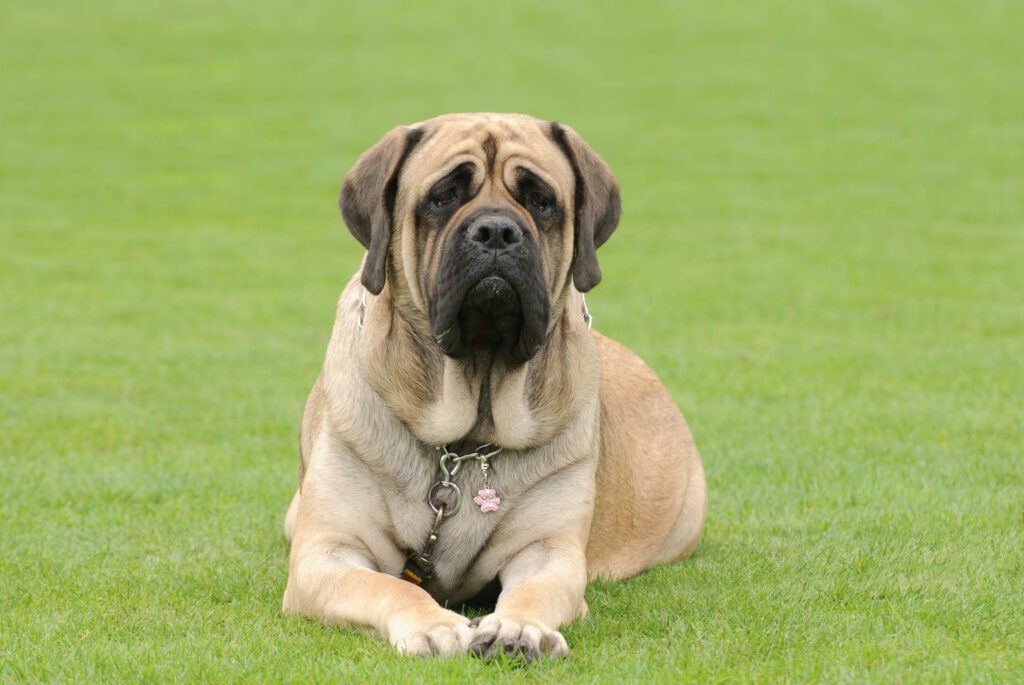
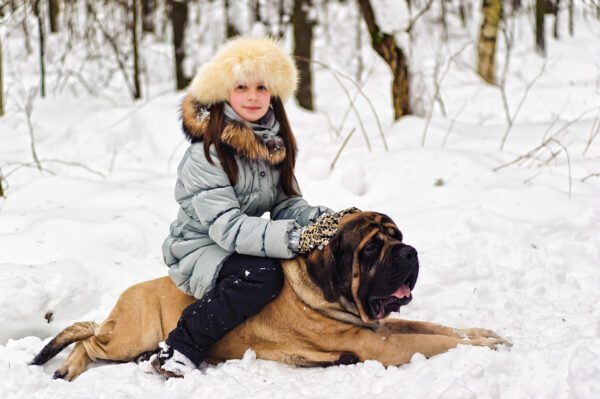
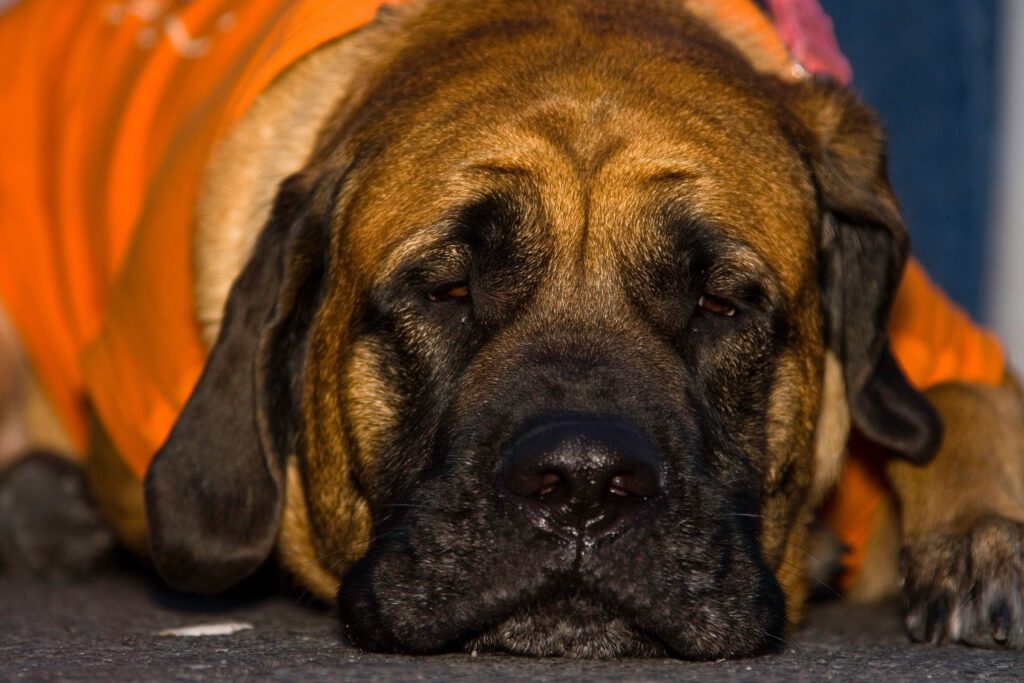
The English Mastiff is a calm, loyal, and deeply devoted companion that thrives on close family life. This giant breed is gentle with children, steady with visitors, and confident without being hyperactive. An English Mastiff prefers short daily walks, soft bedding, and plenty of time near the people it loves.
Thorough research always leads to better matches, especially with a giant breed. Adopting instead of buying helps a dog in need and often includes essential veterinary care. Delaware’s flat neighborhoods and short drives make daily care simple, yet the state’s humid summers can challenge such a heavy dog. The English Mastiff tolerates Delaware’s mild winters, but the summer heat and coastal humidity require shade, air conditioning, and slow, brief exercise. Families in townhomes or apartments must consider elevator access and stair safety because joint strain is a real risk for a large dog.
Adoption rewards careful preparation. The English Mastiff’s size demands strong management, consistent training, and room to stretch out. Households that plan for drool, heavy shedding during seasonal changes, and large-breed expenses set themselves up for a happy and lasting adoption in Delaware.
You can avoid searching rescues and shelters separately by using Dog Academy to browse current adoption listings for Delaware and nearby regions. Dog Academy also provides educational guides and adoption checklists that explain each step, which helps first-time adopters move forward with confidence. You can also find adoptable English Mastiffs through local animal shelters, regional rescues, breed-specific rescue groups, and foster networks that place dogs directly from homes.
Start by browsing listings and reading each biography in full. Look for notes about energy level, comfort with children, experience with other pets, and any medical history. Ask clear questions about house training, crate skills, leash manners, and handling tolerance for grooming and veterinary care. Confirm whether the dog has lived in a home and how the dog copes with being alone for several hours.
Most organizations require an application, a government ID, personal references, and proof of housing stability. Renters in Delaware often need written landlord approval that confirms pet allowances and weight limits. After a preliminary review, many groups schedule a meet-and-greet so every household member can interact with the dog. If you have another dog, teams usually request a slow dog-to-dog introduction. A virtual or in-person home check may follow to confirm safe fencing, secure doors, and appropriate space for a giant breed.
Approval timelines vary by organization, but many Delaware adopters move from application to decision within 1 to 3 weeks. Foster families manage schedules for meetings, which can add a few days. Some rescues arrange transport to move dogs between locations when a great match is found. Transport is often arranged by rescues to move dogs between states using volunteer drivers or licensed carriers, and a modest travel fee and a current health certificate are commonly required. Adopters may be asked to meet at a central handoff point so the dog arrives safely and on time.
|
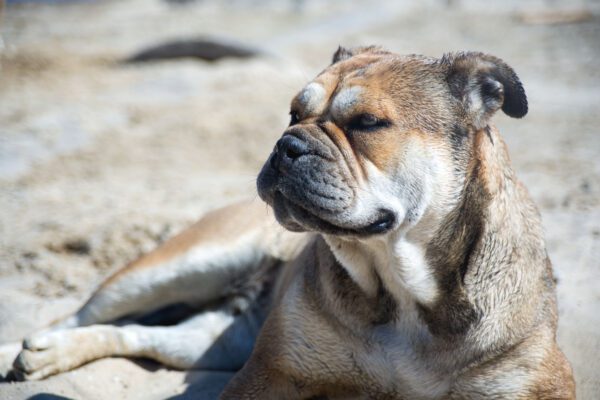
How Much Does It Cost to Adopt a English Mastiff in Delaware?Most adopters in Delaware can expect to pay between $300 and $550 to adopt an English Mastiff. Fees trend toward the higher end for puppies and for dogs that recently received extensive veterinary care. Costs vary with age, training, medical history, and regional demand for the breed. Adoption fees usually help cover spaying or neutering, vaccinations, microchipping, and veterinary exams, and they may also include a heartworm test and basic deworming. Budget for initial supplies such as a giant crate, a fitted harness, a wide collar, an extra-sturdy leash, stainless steel bowls, and orthopedic bedding. Plan for ongoing expenses like high-quality food, flea and tick prevention, routine veterinary visits, and a local dog license if required in your area. |
How Should I Train a English Mastiff?The English Mastiff is intelligent and eager to please, yet the breed can be slow to mature and somewhat stubborn. Short, upbeat sessions work best because a giant dog tires quickly and can lose focus if drills feel repetitive. Consistent positive reinforcement with food rewards and calm praise builds trust and keeps a Mastiff engaged. Early training should prioritize loose-leash walking, polite greetings, reliable recall, and relaxed settle behavior on a mat. Gentle socialization is vital for a confident and courteous adult. Expose your Mastiff to friendly people, calm dogs, and new environments at a comfortable pace. Practice cooperative care so the dog accepts handling for nail trims, ear cleaning, and veterinary exams. If you want step-by-step guidance for giant-breed foundations, impulse control, and leash manners, explore Dog Academy’s online training courses, which provide clear lessons that fit busy Delaware schedules. |
|
The ideal adopter for an English Mastiff is patient, consistent, and prepared for the responsibilities that come with a powerful yet gentle giant. A home with enough indoor space, access to cool resting areas in summer, and time for daily care sets the stage for success. A realistic budget and a plan for training and socialization help the dog thrive.
Take your time, ask detailed questions, and prepare your home before you bring your new companion home. When you are ready to adopt a English Mastiff in Delaware, use Dog Academy’s adoption listings and educational resources to make a thoughtful and lasting match.

Introducing a new puppy to your current dog is often an exciting process, and many dogs will become fast friends and eas...
Read More
Rescue dogs can make great companions and can transform your home into something better. These dogs make great pets and ...
Read More
You should never rush to pet a dog. Even dog owners make the mistake of approaching unfamiliar dogs and petting them rig...
Read More
Puppy mill dogs are survivors who have endured extreme hardships in their lives. They have grown up in horrendous, unsan...
Read More
With their wagging tails and comforting presence, adopting a dog can add a unique touch to your life. It’s a heart...
Read More
Older dogs may have a few gray hairs around the edges, but that doesn’t mean they can’t make wonderful companions! T...
Read More