


























































































































































































Introducing a new puppy to your current dog is often an exciting process, and many dogs will become fast friends and eas...
Read MoreAdopt Me

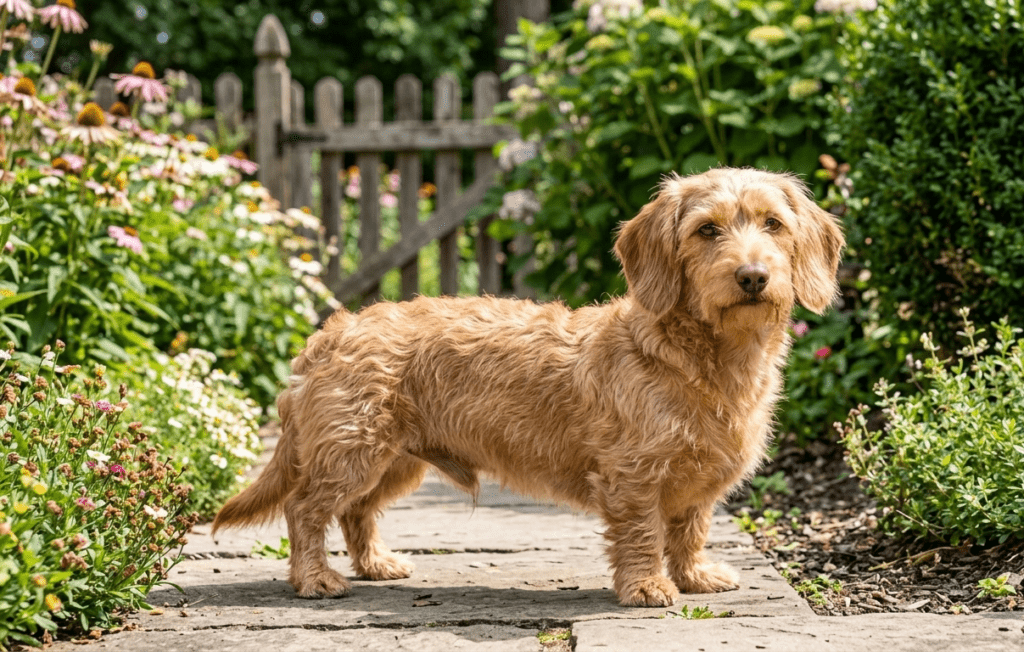
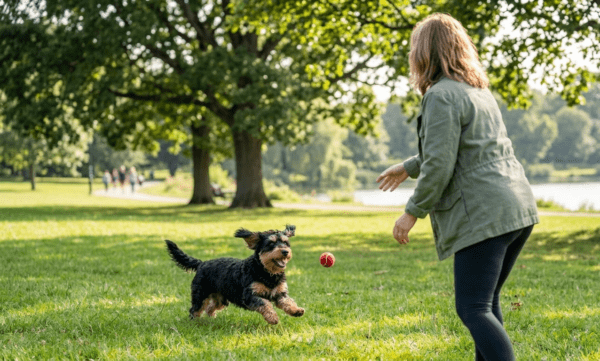
The Doxiepoo blends the clever, people-pleasing nature of the Poodle with the bold, affectionate charm of the Dachshund. Most Doxiepoos are small to medium at 10 to 30 pounds, energetic, and eager to learn. Many shed lightly, though coat type varies. This mix thrives with daily walks, brain games, and steady companionship. Research matters because Doxiepoos can inherit both high intelligence and a stubborn streak, which calls for patient, positive training.
Adoption is a thoughtful choice that supports animal welfare, offers transparent history through notes from fosters or shelter staff, and typically costs less than buying. Delaware’s climate brings hot, humid summers and cool winters along the coast. A Doxiepoo does well here with shaded walks in summer, paw-safe surfaces on hot pavement, and a cozy sweater in winter. Humidity can encourage matting and ear issues, so regular grooming and ear checks help. Delaware homes often include stairs, so back safety matters. Ramps and careful handling protect a long-backed Doxiepoo from injury.
You can avoid searching rescues and shelters separately by browsing listings on Dog Academy. The platform gathers adoptable dogs from multiple sources in one place, which saves time and helps you compare options. You also get educational guides and practical checklists that explain each step, from preparing your home to bringing your dog home safely.
In Delaware, you can find adoptable Doxiepoos through local animal shelters, regional rescues, breed-specific rescue groups, and foster-based networks. Some groups post dogs across state lines to widen the pool of adopters. When a dog is out of your area, rescues may arrange transport to move dogs between locations. Transport is often handled by volunteers or licensed carriers, and it usually follows a schedule that protects the dog’s health and reduces stress.
The process starts with browsing listings, reading bios, and confirming that the dog’s energy level, size, and grooming needs match your lifestyle. Next comes an adoption application that asks about your schedule, home setup, yard or exercise plan, other pets, and veterinary history. Many groups request personal or veterinary references. Landlord approval is required if you rent. After the application, expect a phone interview to discuss expectations, training plans, and safety measures like gates and ramps for a long-backed dog.
Meet-and-greets help assess fit with all household members, including children and other pets. Some organizations schedule a home check or a virtual walkthrough to confirm secure fencing, safe stair access, and a quiet space for decompression. Approval timelines vary by group and by the dog’s needs. A straightforward local adoption often takes 1 to 2 weeks, while applications that include transport or complex medical needs can take 2 to 4 weeks. Final steps include signing an adoption agreement, paying the fee, and arranging a pickup date with supplies ready at home.

|
How Much Does It Cost to Adopt a Doxiepoo in Delaware?Most adopters in Delaware can expect to pay about $250 to $500 for a Doxiepoo. Puppies and highly sought-after dogs tend to be near the upper end, while adult dogs with no special medical needs are often lower. Fees reflect the dog’s age, training, medical care, and demand in the region. Costs increase when organizations provide recent dental cleanings, advanced diagnostics, or heartworm treatment. Adoption fees typically include spaying or neutering, vaccinations, microchipping, and veterinary exams. Some groups also include a starter leash or a short supply of food. You should budget separately for a dog license, a collar and ID tag, a crate, grooming tools, and an initial veterinary visit to establish care in Delaware. |
How Should I Train a Doxiepoo?Doxiepoos are quick learners who respond best to upbeat, reward-based training. Many enjoy solving problems and working for food or play, yet some inherit an independent streak that benefits from short, structured sessions. Mark calm choices, reward polite greetings, and build focus through games like hand target, sit, and down. House training improves with a predictable schedule, frequent outdoor breaks, and consistent reinforcement. Crate training supports safety and speeds up clean habits. Manage common challenges early. If your Doxiepoo tends to bark at noises, teach a quiet cue by rewarding silence after a single alert. Provide daily mental enrichment with puzzle feeders and scent games to prevent boredom and digging. Practice cooperative care so grooming feels safe. Reward handling of ears, paws, and mouth, and introduce brushing in calm, short sessions to prevent mats and reduce tangles. Protect the back with good habits. Teach wait at stairs, use ramps for furniture, and discourage jumping off high surfaces. Build strong leash skills and a reliable recall using generous rewards in low-distraction areas before heading to busy paths. For step-by-step guidance, use Dog Academy’s online training courses. Lessons are designed to be simple, positive, and easy to follow for families at every skill level. |

|
The ideal Doxiepoo family enjoys daily walks, interactive play, and kind, consistent training. A patient owner who can manage grooming, support back safety, and provide companionship will help this mix thrive. Preparation makes all the difference. Gather supplies, set up a safe rest area, and plan a calm first week at home.
Take your time, read each profile closely, and ask detailed questions about health, temperament, and routine. Use Dog Academy to streamline your search, follow a clear checklist, and find a Doxiepoo in Delaware who truly fits your life.

Introducing a new puppy to your current dog is often an exciting process, and many dogs will become fast friends and eas...
Read More
Rescue dogs can make great companions and can transform your home into something better. These dogs make great pets and ...
Read More
You should never rush to pet a dog. Even dog owners make the mistake of approaching unfamiliar dogs and petting them rig...
Read More
Puppy mill dogs are survivors who have endured extreme hardships in their lives. They have grown up in horrendous, unsan...
Read More
With their wagging tails and comforting presence, adopting a dog can add a unique touch to your life. It’s a heart...
Read More
Older dogs may have a few gray hairs around the edges, but that doesn’t mean they can’t make wonderful companions! T...
Read More