



























































































































































































Introducing a new puppy to your current dog is often an exciting process, and many dogs will become fast friends and eas...
Read MoreAdopt Me

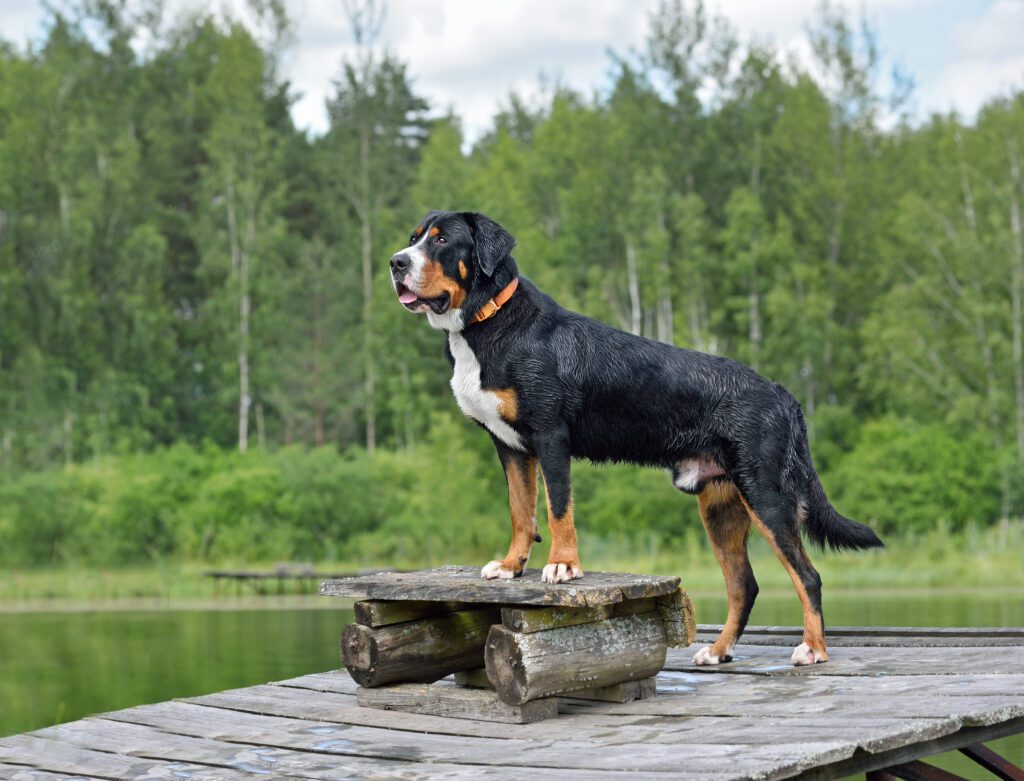


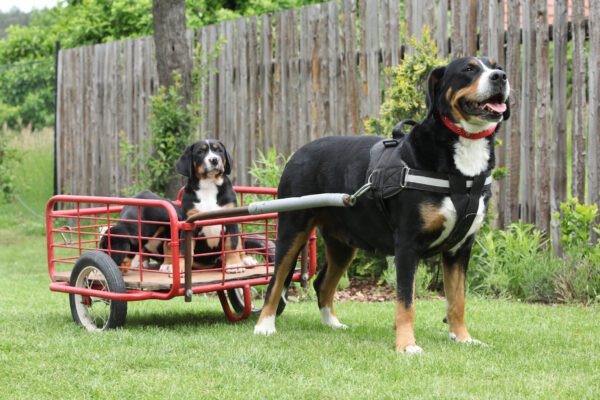
The Greater Swiss Mountain Dog is a loyal, steady, and affectionate working companion. This large breed brings a calm presence, a confident temperament, and a natural desire to be close to people. Families appreciate the breed’s patience with children and the dog’s watchful nature. Strong draft roots make this dog a dependable partner for outdoor adventures and daily routines.
Research matters before you decide to adopt. Understanding size, grooming, exercise, and healthcare needs will help you choose a dog that fits your life. Adoption gives a dog a second chance and supports animal welfare. It also often includes essential veterinary care already completed, which helps you start strong.
Delaware offers four seasons, coastal breezes, and flat terrain. Winters feel comfortable for a double-coated working dog. Humid summers can challenge this breed, so owners must plan early walks, provide shade, and offer constant access to water. Suburban and rural homes with fenced yards work well. City living can work too when you commit to structured exercise, controlled outings, and calm indoor enrichment.
You can skip separate searches for shelters and rescues by browsing adoptable Greater Swiss Mountain Dogs at Dog Academy. You will find current listings, clear next steps, and helpful education. You can also use Dog Academy guides and adoption checklists to prepare your home, compare fees, and plan introductions with resident pets.
Adoptable dogs appear through local animal shelters, regional rescues, breed-specific rescue groups, and foster networks. Some groups focus on large working breeds. Others accept a wide range of dogs and occasionally receive a Greater Swiss Mountain Dog or a mix. Availability changes week to week, so check listings regularly and set alerts where possible.
The process starts by browsing listings and noting each dog’s age, size, energy level, medical notes, and behavior details. You then submit an application that usually asks about your schedule, home setup, training plans, and veterinary history. Many groups request landlord approval when you rent and personal references who can confirm your readiness. After initial screening, you schedule a meet and greet to evaluate compatibility. A home check may follow to confirm safe fencing, secure storage for food and chemicals, and appropriate resting areas. Final approval often takes 1 to 3 weeks, depending on interviews, scheduling, and veterinary updates. Some rescues arrange transport to move dogs between states, and they explain routes, timing, and costs before you commit.
Understand the breed’s needs before you apply. A Greater Swiss Mountain Dog can weigh 90 to 140 pounds, and the dog benefits from 60 to 90 minutes of daily activity. Young dogs should avoid repetitive high-impact exercise until joints mature to protect hips and elbows. Expect seasonal shedding and weekly brushing. Plan for calm leadership, consistent training, and careful heat management in Delaware summers.
|
How Much Does It Cost to Adopt a Greater Swiss Mountain Dog in Delaware?In Delaware, most adopters pay about $300 to $600 for an adult Greater Swiss Mountain Dog. Puppies and young adolescents can cost $500 to $750 due to higher demand and recent veterinary work. Fees vary with age, training, medical care provided, and regional demand. Many groups include spaying or neutering, vaccinations, microchipping, and veterinary exams in the adoption fee. Some also include heartworm testing, deworming, and a short-term supply of preventives. Budget for initial supplies such as a crate, a bed, bowls, a harness built for large dogs, and high quality food. Plan funds for refresher training, grooming tools, and a first wellness exam in Delaware. These costs help you transition your new dog smoothly and safely. |
How Should I Train a Greater Swiss Mountain Dog?The Greater Swiss Mountain Dog is intelligent, people oriented, and eager to work with a trusted handler. The breed responds best to positive reinforcement, clear boundaries, and short focused sessions. Many dogs show a thoughtful, sometimes stubborn streak, which improves with high value rewards, confident handling, and consistent cues. Prioritize leash manners, recall, stay, drop it, and relaxed settling on a mat. Teach polite greetings early because strength can make jumping or leaning risky for children and older adults. Socialize carefully with friendly dogs and calm people to build confidence without overwhelming your dog. Introduce body handling for paws, ears, and mouth so grooming and veterinary visits stay stress free. Crate training and alone time practice help prevent separation distress. For step by step lessons that fit busy schedules, explore Dog Academy’s online training courses, which provide video instruction, homework plans, and trainer support that you can use at home. |
|
The ideal adopter enjoys daily walks, steady routines, and kind leadership. A safe yard, a vehicle that fits a large crate, and a plan for summer heat all help this breed thrive in Delaware. Families who value loyalty, calm companionship, and outdoor time often find an excellent match with this dog.
Prepare your home, gather supplies, and review training goals before you bring a dog home. Take your time, ask detailed questions, and trust your instincts during meet and greets. When you are ready to adopt a Greater Swiss Mountain Dog in Delaware, use Dog Academy resources to choose wisely and support a smooth transition for you and your new companion.

Introducing a new puppy to your current dog is often an exciting process, and many dogs will become fast friends and eas...
Read More
Rescue dogs can make great companions and can transform your home into something better. These dogs make great pets and ...
Read More
You should never rush to pet a dog. Even dog owners make the mistake of approaching unfamiliar dogs and petting them rig...
Read More
Puppy mill dogs are survivors who have endured extreme hardships in their lives. They have grown up in horrendous, unsan...
Read More
With their wagging tails and comforting presence, adopting a dog can add a unique touch to your life. It’s a heart...
Read More
Older dogs may have a few gray hairs around the edges, but that doesn’t mean they can’t make wonderful companions! T...
Read More