



























































































































































































Introducing a new puppy to your current dog is often an exciting process, and many dogs will become fast friends and eas...
Read MoreAdopt Me




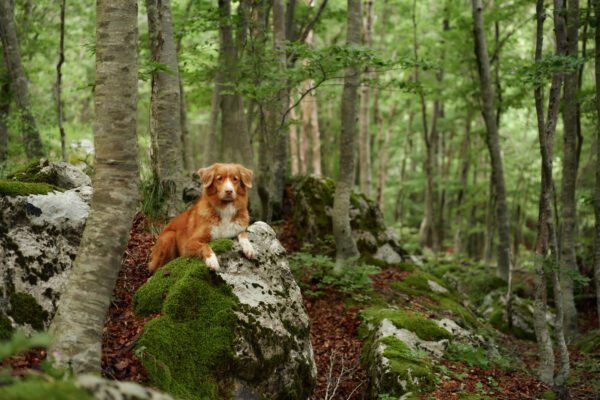
The Nova Scotia Duck Tolling Retriever is bright, athletic, and eager to work. This medium-sized retriever loves water, thrives on games of fetch, and bonds deeply with family. Many Tollers show a playful sense of humor and a strong retrieving drive. They can be reserved with new people while staying affectionate and attentive with their own households.
Thoughtful research is essential before you adopt. Adoption supports dogs in need, provides post-adoption guidance from knowledgeable volunteers, and often includes initial veterinary care. Delaware can suit an active Toller because the state offers beaches, bays, and green spaces for outdoor exercise. Summers are hot and humid, so owners must schedule play during cooler hours and provide shade and water. Winters are moderate, and the Toller’s double coat handles cold well. Suburban neighborhoods and small towns across Delaware fit this breed when daily exercise and training are part of the routine.
You can avoid searching rescues and shelters separately by using Dog Academy to browse adoption listings in one place. You can filter by age and location, and you can review profiles that describe temperament and needs. You can also use Dog Academy’s educational guides and adoption checklists to prepare your home, choose supplies, and plan the first week.
Start by checking local animal shelters, regional rescues, and breed-specific rescue groups. Foster-based networks also help place Tollers and Toller mixes throughout the Mid-Atlantic region. New listings can appear quickly, so set alerts where available and check often. Read each profile carefully to understand energy level, social history, and any medical or training needs.
Most organizations ask for an application. Applications usually request personal information, housing details, proof of landlord approval when you rent, and contact information for references. Some ask for veterinary records for current pets to confirm up-to-date care. Initial screening often takes 1 to 3 weeks depending on volunteer availability and the number of applicants.
Approved applicants are invited to a meet-and-greet. This step helps you confirm fit, review behavior observations, and discuss daily routines. Many groups conduct a home check that can be virtual or in person. The home check verifies safe fencing, secure doors, and a plan for exercise and enrichment. After approval, you sign an adoption agreement and pay the adoption fee. Some groups offer a brief foster-to-adopt period so you can confirm compatibility. When a dog is located outside Delaware, rescues may arrange transport between locations. Transport is often arranged by rescues to move dogs between states using volunteer drivers or licensed carriers, and health certificates and schedule confirmations are included. Transport can add time and a modest fee, and pickup usually happens at a set meeting point.
|
How Much Does It Cost to Adopt a Nova Scotia Duck Tolling Retriever in Delaware?In Delaware, the typical adoption fee for a Nova Scotia Duck Tolling Retriever or a close mix ranges from $350 to $650. The range reflects the breed’s limited availability, regional demand across the Mid-Atlantic, and the cost of veterinary care. Puppies and young adults sit near the top of the range. Seniors and dogs with special needs often have lower fees to encourage placement. Fees usually include spaying or neutering, vaccinations, microchipping, and veterinary exams. Costs can also reflect recent dental cleanings, heartworm treatment, or orthopedic care. A dog with completed obedience training or field foundations can cost more because training adds value. Transport, training packages, or out-of-state health certificates may appear as separate line items. Local dog licensing is usually paid after adoption through your municipality. |
How Should I Train a Nova Scotia Duck Tolling Retriever?The Toller is intelligent, fast to learn, and highly motivated by play. Positive reinforcement with food, toys, and access to retrieving games keeps this breed focused and enthusiastic. Short sessions with clear goals work best. Many Tollers become vocal or mouthy when under-exercised, and some develop a strong chase drive. Consistent exercise, impulse control games, and enriched environments prevent these behaviors from escalating. Begin with name recognition, loose-leash walking, and reliable recall. Add settle-on-mat, crate training, and polite greetings to manage excitement. Rotating puzzles, scent work, and water retrieves provide mental and physical outlets. Early socialization builds confidence with people, dogs, surfaces, and novel sounds. If you want structured guidance, explore Dog Academy’s online training courses for step-by-step lessons, troubleshooting support, and breed-smart enrichment plans tailored to energetic retrievers. |

|
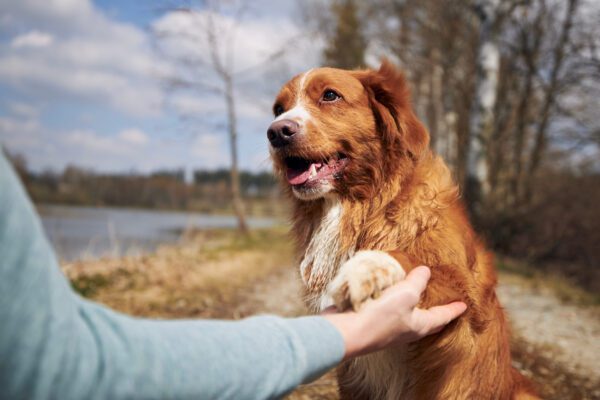
The ideal adopter enjoys daily activity and regular training. A Toller thrives with 60 to 90 minutes of exercise and purposeful play, plus mental work like scent games or clicker training. Families that visit beaches, hike local trails, or play field games will find this breed a rewarding partner.
Preparation makes adoption smooth. Set up safe confinement, gather training rewards, and plan a gradual routine for exercise and rest. Take your time, ask detailed questions, and choose the dog whose energy and temperament match your lifestyle. With patience and a solid plan, you can adopt a Nova Scotia Duck Tolling Retriever in Delaware and enjoy a loyal, spirited companion for years to come.

Introducing a new puppy to your current dog is often an exciting process, and many dogs will become fast friends and eas...
Read More
Rescue dogs can make great companions and can transform your home into something better. These dogs make great pets and ...
Read More
You should never rush to pet a dog. Even dog owners make the mistake of approaching unfamiliar dogs and petting them rig...
Read More
Puppy mill dogs are survivors who have endured extreme hardships in their lives. They have grown up in horrendous, unsan...
Read More
With their wagging tails and comforting presence, adopting a dog can add a unique touch to your life. It’s a heart...
Read More
Older dogs may have a few gray hairs around the edges, but that doesn’t mean they can’t make wonderful companions! T...
Read More