

























































































































































































Introducing a new puppy to your current dog is often an exciting process, and many dogs will become fast friends and eas...
Read MoreAdopt Me

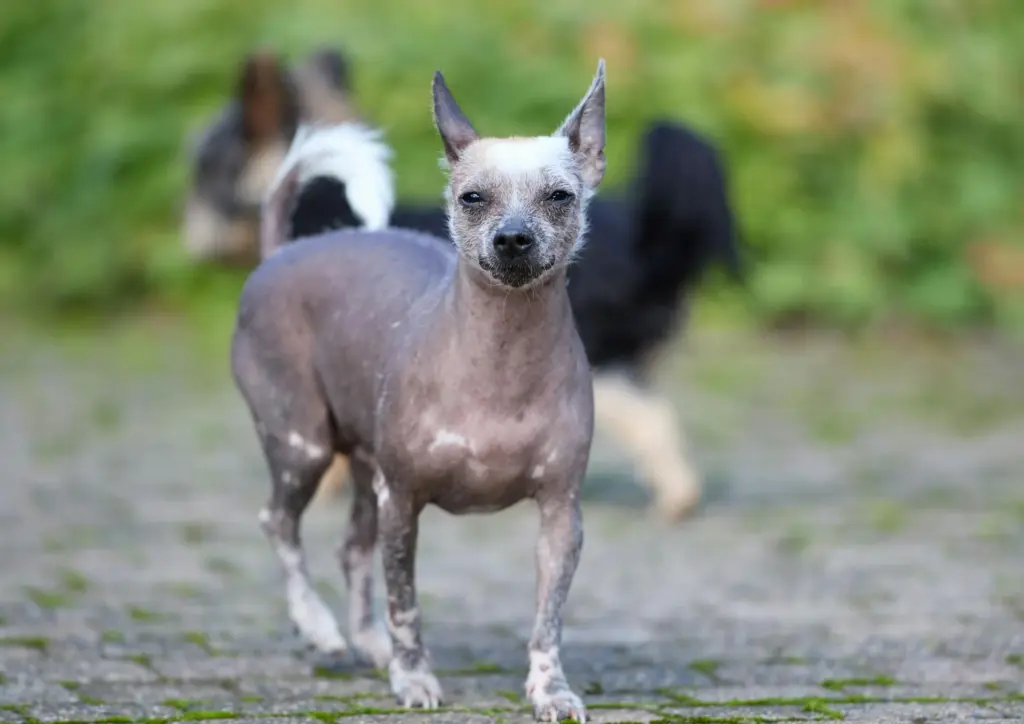
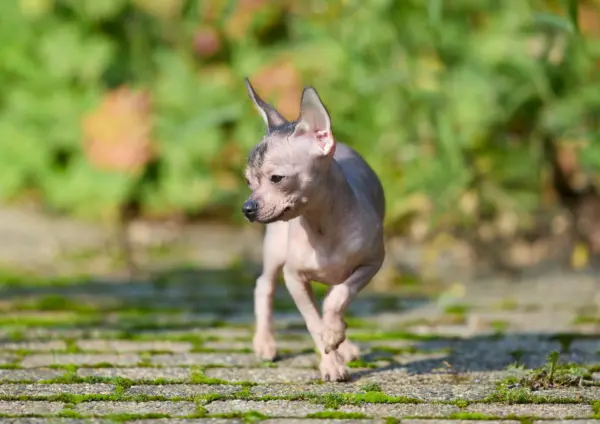
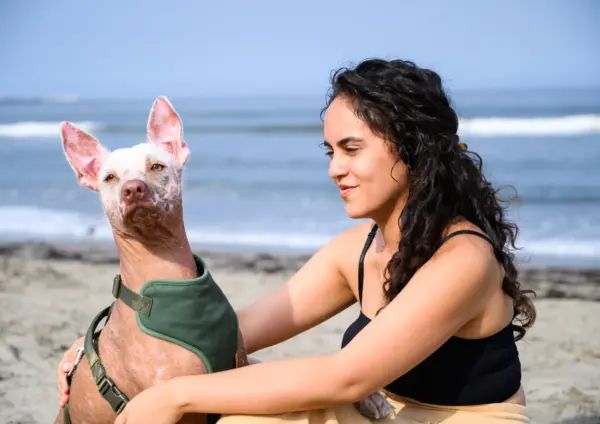
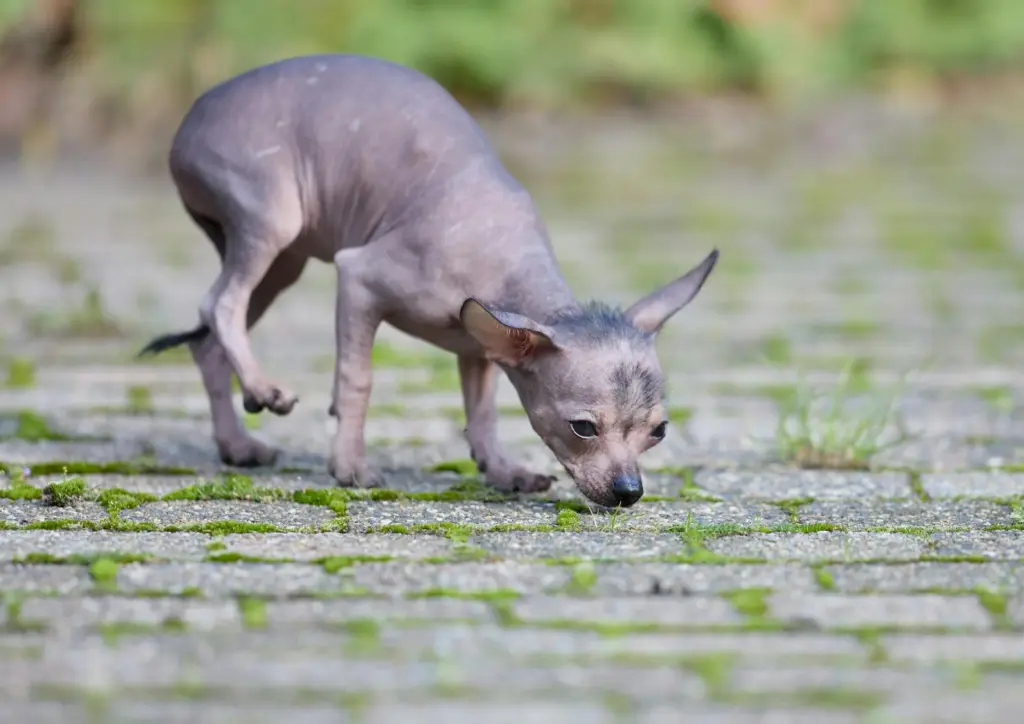
The Xoloitzcuintli is a calm, loyal, and observant companion that bonds closely with its family. Many Xolos are hairless, which means low shedding and a clean home, while a coated variety exists for people who prefer light fur. This breed enjoys a steady routine, moderate exercise, and gentle handling that respects its sensitive skin and thoughtful nature.
Research matters before adoption because the Xolo has unique care needs. Hairless dogs need skin care, sun protection, and warm clothing in cold weather. Coated Xolos need regular brushing and the same positive socialization. Delaware’s humid summers, coastal sun, and chilly winters all influence daily care, which means sunscreen and shade in July and a snug jacket in January.
Adoption is a thoughtful choice because it opens space for another dog in need and helps responsible shelters and rescues continue their work. Adopting a Xolo in Delaware can be a strong match for people who enjoy beach walks, quiet neighborhoods, and small-city living. The state’s flat trails and coastal communities suit a dog that prefers consistent exercise over marathon runs, though the winter wind calls for protective layers for a hairless dog.
You can avoid searching local animal shelters, regional rescues, and breed-specific rescue groups one by one by using Dog Academy. Dog Academy brings adoptable listings into one place so you can browse Xoloitzcuintli profiles, compare details, and apply with confidence. You can also use Dog Academy’s educational guides and adoption checklists to prepare your home and plan your first week.
Start by browsing listings and reading each bio carefully. Confirm key traits like size, age, energy level, and social history. Xolos can be sensitive to handling and may be cautious with strangers, which makes a slow introduction plan important. When you find a match, submit an application that includes household details, references, and landlord permission if you rent. Clear and complete information helps the team assess fit and speeds approval.
After your application, many groups schedule a phone interview or a virtual call to discuss routine, training plans, and care needs. A meet-and-greet follows when possible, which allows you to see how the dog responds to you and to any resident pets. Some groups perform a home check to confirm safe fencing, secure storage for supplies, and a calm space for decompression. Approval timelines vary, but many adopters in Delaware complete the process in 1 to 3 weeks. Specialized medical needs, behavior plans, or scheduling challenges can extend the timeline.
Delaware has a small population of Xolos, so you may see promising matches in nearby states. Rescues sometimes arrange transport to move dogs between locations when a strong match exists. Transport is often organized through volunteer networks or professional services that coordinate pickup, travel, and drop-off. Most programs require a health certificate and confirm that the dog is fit to travel. You will receive directions for meeting points, fees if any, and exact timing so you can plan arrival and supplies.
|
How Much Does It Cost to Adopt a Xoloitzcuintli in Delaware?In Delaware, a realistic adoption fee for a Xoloitzcuintli is typically $300 to $600. Rarity in the region, age, and medical history influence where a dog falls in that range. Puppies and highly sought-after small adults often sit near the upper end, while seniors or dogs with ongoing needs may be lower. Fees are higher when a dog receives extensive medical care or training before placement, and they can rise when demand increases wait times. Most fees help cover spaying or neutering, vaccinations, microchipping, and veterinary exams. Many groups also provide heartworm testing, parasite screening, and skin care support for hairless dogs when needed. Ask for an itemized breakdown so you understand what has been completed and what you should schedule with your veterinarian after adoption. |
How Should I Train a Xoloitzcuintli?The Xoloitzcuintli is intelligent and responsive, and it thrives with clear structure and kind communication. Short sessions, high-value rewards, and calm handling work best for this thoughtful breed. Early socialization builds confidence with visitors, new places, and gentle grooming, which is important for a dog that needs regular skin care and well-fitted gear. Common challenges include sensitivity to sudden noise, wariness with strangers, and restlessness when left alone. Build success with positive reinforcement, slow exposure to triggers, and a predictable routine. Reward quiet relaxation, practice easy scent games, and add puzzle feeders to exercise the mind without overtaxing the joints. If you want step-by-step support, explore Dog Academy’s online training courses, which include foundations for polite walking, crate comfort, and confidence building tailored for sensitive dogs. |
|
The ideal Delaware adopter provides patient guidance, consistent routines, and daily mental exercise. A hairless Xolo needs sun protection in summer and a warm coat in winter, while a coated Xolo needs light grooming and the same steady training. Both varieties benefit from gentle socialization, safe enrichment, and a quiet place to rest after walks.
Preparation sets you up for success. Gather skin-safe supplies, choose a veterinarian, and review an adoption checklist so your home is ready on day one. Take your time, ask detailed questions, and trust the process. When you match with the right dog, you will feel confident and ready to welcome a Xoloitzcuintli into your Delaware life.

Introducing a new puppy to your current dog is often an exciting process, and many dogs will become fast friends and eas...
Read More
Rescue dogs can make great companions and can transform your home into something better. These dogs make great pets and ...
Read More
You should never rush to pet a dog. Even dog owners make the mistake of approaching unfamiliar dogs and petting them rig...
Read More
Puppy mill dogs are survivors who have endured extreme hardships in their lives. They have grown up in horrendous, unsan...
Read More
With their wagging tails and comforting presence, adopting a dog can add a unique touch to your life. It’s a heart...
Read More
Older dogs may have a few gray hairs around the edges, but that doesn’t mean they can’t make wonderful companions! T...
Read More