















































































































































































Introducing a new puppy to your current dog is often an exciting process, and many dogs will become fast friends and eas...
Read MoreAdopt Me




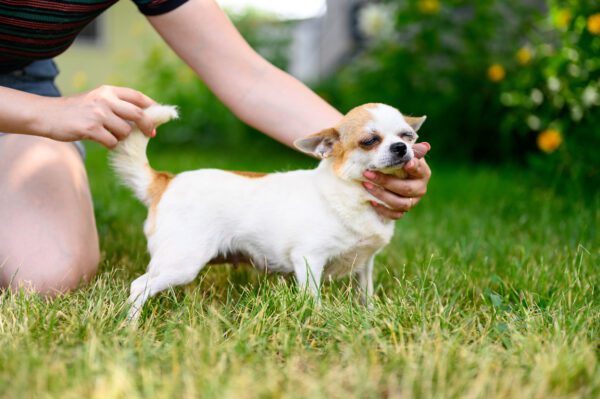
An Apple Head Chihuahua is tiny, bright, and devoted. This compact companion bonds closely with a favorite person, enjoys short walks, and loves curling up under a blanket. The breed offers big-dog confidence in a small body, which means bold spirit with a need for consistent guidance. Thoughtful research before adoption helps you match energy level, health needs, and routine to your home.
Adoption gives a dog a second chance and reduces demand for irresponsible breeding. Many Chihuahuas need new homes due to life changes, not behavior issues. Delaware families who choose adoption can meet wonderful dogs already spayed or neutered, vaccinated, and evaluated by caretakers. An Apple Head Chihuahua fits apartments and townhomes across Delaware, although the breed needs warmth in winter and shade in summer.
Delaware’s climate brings hot, humid summers and chilly, windy winters. A Chihuahua can overheat quickly in July and feel cold in January. Short outings, sun protection, and a sweater or coat keep this small dog comfortable. Flat coastal geography makes Delaware friendly for short, level walks, and the breed thrives with indoor play on days with extreme heat or cold. A calm, attentive lifestyle suits this dog best.
You can avoid searching for rescues and shelters separately by using Dog Academy. Browse a centralized set of adoption listings, filter for Chihuahua size and traits, and review profiles in one place. Dog Academy also provides educational guides and adoption checklists so you can prepare your home, plan your budget, and understand next steps before you apply.
In Delaware, adoptable Apple Head Chihuahuas appear through local animal shelters, regional rescues, and breed-specific rescue groups. Many listings use general labels such as Chihuahua or Chihuahua mix, so read the full profile and photos to confirm size and temperament. Foster notes often describe energy level, house training progress, and comfort with children or other pets.
The process usually starts by browsing listings and submitting an application. Applications ask about daily schedule, household members, other pets, yard or patio access, and landlord approval when you rent. Rescues often request a veterinary reference and a brief phone interview. Approval timelines vary by organization and dog, though many decisions take 1 to 3 weeks once references are complete.
Next comes a meet-and-greet to confirm fit. Bring all household members and any resident dogs, and ask about feeding routines, training history, and any medical needs. Some groups conduct a virtual or in-person home check to confirm safety, including secure doors, safe stairs, and a plan for temperature control. Final steps include signing an adoption contract, paying the fee, and collecting medical records. When a dog is located outside your area, rescues sometimes arrange transport to move dogs between states, which may involve volunteers or professional drivers who coordinate safe travel to a pickup point.

|
How Much Does It Cost to Adopt a Apple Head Chihuahua in Delaware?In Delaware, the typical adoption fee for a Chihuahua, including Apple Head types, ranges from $200 to $450. Puppies and highly in-demand small dogs trend toward the upper end, while seniors and dogs with special needs may be closer to the lower end. Fees reflect age, training, recent medical care, and regional demand for small companion breeds. Adoption fees usually include spaying or neutering, vaccinations, microchipping, and veterinary exams. Some groups also provide dental cleanings, parasite testing, and a starter supply kit. A recent dental procedure or advanced diagnostics can raise the fee, while sponsorships sometimes reduce it for seniors. Ask for an itemized summary so you understand exactly what your fee covers. |
How Should I Train a Apple Head Chihuahua?An Apple Head Chihuahua is intelligent, sensitive, and food motivated, which makes positive reinforcement highly effective. Short, upbeat sessions keep focus high and stress low. Reward calm behavior, use small treats, and keep lessons to 3 to 5 minutes to prevent fatigue. Common challenges include house training, barking at noises, and handling sensitivity during grooming or vet care. House training improves with a consistent schedule, a small and cozy crate, frequent outdoor trips, and generous praise for success. Curb barking by rewarding quiet moments, teaching a clear go to mat cue, and managing triggers like window access. Build comfort with handling by pairing gentle touch on paws, ears, and mouth with treats, which prepares a small dog for nail trims and dental care. For step-by-step guidance, explore Dog Academy’s online training courses. You can follow a structured house training plan, teach reliable recall and leash manners, and work on confidence-building for a sensitive, pint-sized companion. Lessons are easy to follow and fit busy Delaware schedules with short, daily practice. |

|
The ideal match is a household that values routine, gentle handling, and close companionship. Families with older, dog-savvy children or adults who work from home often do well, since this small breed prefers short alone times. Plan for temperature control, daily tooth care, and regular vet visits, and choose safe harness walks rather than rough play.
Take your time, ask thorough questions, and prepare your home before meeting dogs. Use Dog Academy adoption listings to compare profiles and shortlist great candidates, then rely on training resources to support a smooth transition. With care, patience, and good planning, you can adopt an Apple Head Chihuahua in Delaware and enjoy a loyal friend for years to come.

Introducing a new puppy to your current dog is often an exciting process, and many dogs will become fast friends and eas...
Read More
Rescue dogs can make great companions and can transform your home into something better. These dogs make great pets and ...
Read More
You should never rush to pet a dog. Even dog owners make the mistake of approaching unfamiliar dogs and petting them rig...
Read More
Puppy mill dogs are survivors who have endured extreme hardships in their lives. They have grown up in horrendous, unsan...
Read More
With their wagging tails and comforting presence, adopting a dog can add a unique touch to your life. It’s a heart...
Read More
Older dogs may have a few gray hairs around the edges, but that doesn’t mean they can’t make wonderful companions! T...
Read More