























































































































































































Introducing a new puppy to your current dog is often an exciting process, and many dogs will become fast friends and eas...
Read MoreAdopt Me

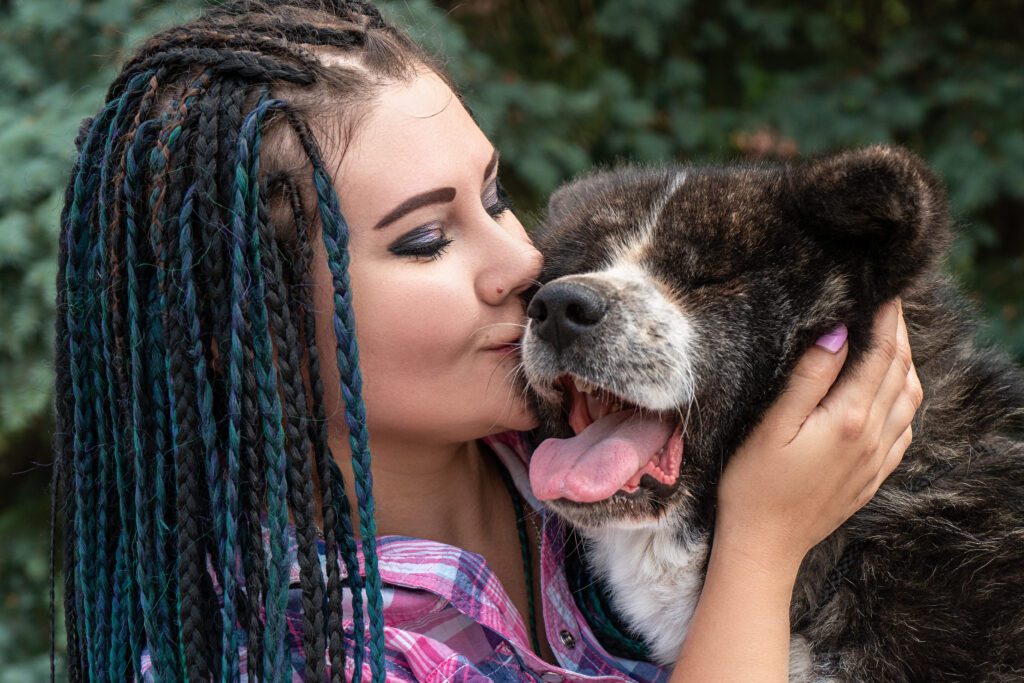
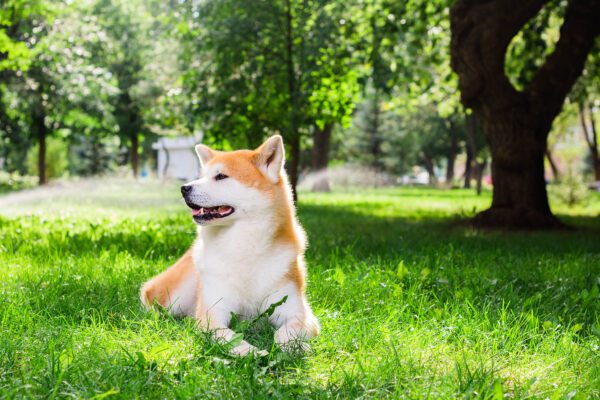
The Akita is a dignified, loyal, and powerful companion that bonds deeply with family. This breed is calm and watchful at home, yet strong and athletic outdoors. Careful research before adoption helps you understand the Akita’s independence, protective nature, and grooming needs so you can set the right expectations from day one.
Adoption gives a deserving dog a second chance and supports responsible animal welfare. Many Akitas enter rescue through no fault of their own, often due to mismatched homes or lifestyle changes. Choosing adoption over buying reduces demand for irresponsible breeding and helps shelters and rescues save more lives.
Delaware’s climate features humid summers and cool winters, with coastal winds and frequent humidity. An Akita’s thick double coat handles cold weather well, but heat safety matters in summer. Early morning and evening walks, ample shade, and fresh water keep an Akita comfortable. Delaware’s mix of suburban neighborhoods, small towns, and rural spaces can suit the breed, though sturdy fencing and consistent exercise are important. Apartment living is possible with daily exercise, solid manners, and mental enrichment.
You can avoid searching for rescues and shelters separately by starting with Dog Academy. The platform brings adoptable dogs from local animal shelters, regional rescues, and breed-specific rescue groups into one place. You can filter for age, size, and location, and you can use Dog Academy’s educational guides and adoption checklists to prepare your home, your schedule, and your budget before you apply.
Begin by browsing listings and reading full profiles. Look for notes about behavior, medical history, energy level, and any training that the dog has completed. Submit an application that explains your experience, your daily routine, and your home setup. Many organizations request landlord approval when you rent, proof of vaccination for resident pets, and information about fencing or containment plans.
After an application review, most groups schedule a phone interview and a meet-and-greet. Bring all household members to the meet-and-greet, and request a slow, supervised dog introduction if you have resident pets. Some organizations also complete a home check to confirm safe containment, secure storage of cleaning supplies, and a plan for exercise and enrichment. Approval timelines usually range from 7 to 14 days, and timelines can extend if medical records need verification or if a foster volunteer schedule is limited.
Akitas have unique needs because they are large, intelligent, and sometimes selective with other dogs. Ask clear questions about leash manners, response to strangers, tolerance for handling, and comfort with car rides and grooming. If you live far from a selected dog, rescues sometimes arrange transport to move dogs between locations. Transport is often arranged by rescues to move dogs between states using volunteer drivers or professional carriers, and adopters may pay a modest transport fee to cover fuel and coordination.
|
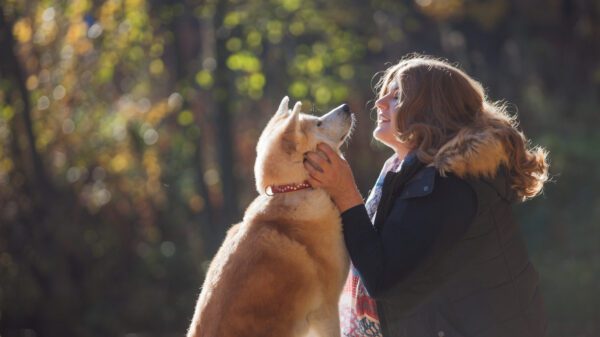
How Much Does It Cost to Adopt a Akita in Delaware?Expect most Delaware shelters and breed-focused rescues to set Akita adoption fees between $250 and $550. Puppies and young adults often fall at the higher end due to higher demand and recent veterinary care, while seniors or dogs with known medical needs may fall at the lower end. Fees usually help cover spaying or neutering, vaccinations, microchipping, and veterinary exams. Costs also reflect factors like age, prior training, length of time in foster care, and any specialized treatment such as orthopedic evaluation or allergy management. Your total budget should include an appropriate crate, a well-fitted harness, high-quality food for a large breed, grooming tools for seasonal shedding, and a plan for training support. These upfront items help your new dog transition smoothly and reduce stress during the first few weeks. |
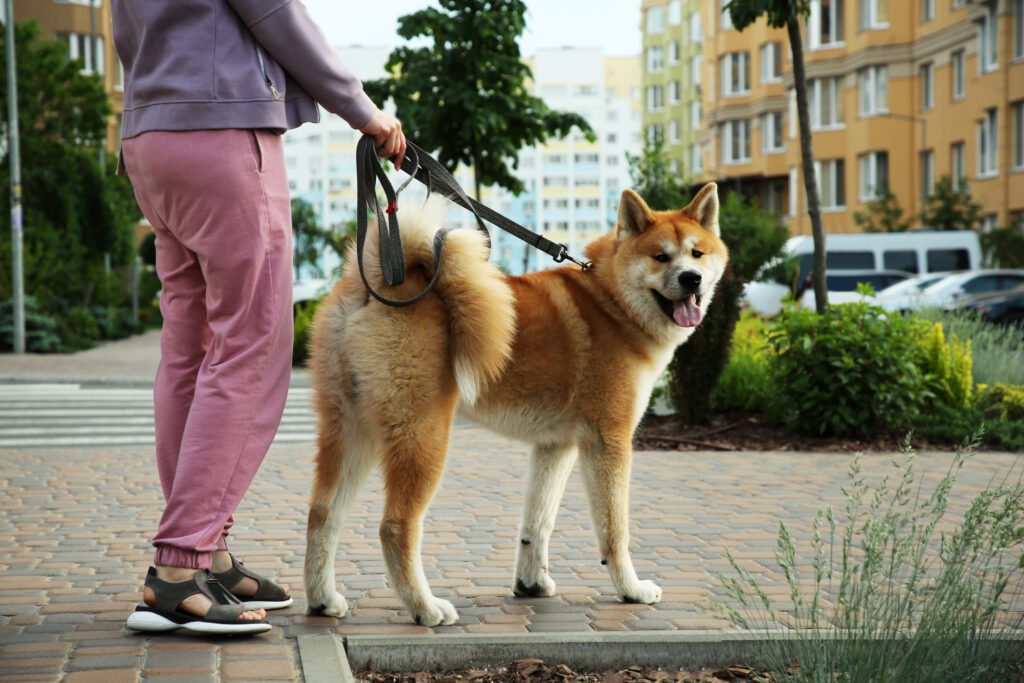
How Should I Train a Akita?The Akita is intelligent and observant, and the breed learns quickly when training uses clear structure and consistent rewards. Positive reinforcement with food, toys, and praise builds trust and keeps this independent breed engaged. Short, focused sessions that end on success work better than long drills that repeat the same task many times. Common challenges include leash pulling, reactivity toward unfamiliar dogs, and selective listening when distractions appear. Prioritize foundation skills like name recognition, recall, loose-leash walking, leave-it, and settle on a mat. Early socialization with calm, neutral experiences teaches an Akita to stay composed around people and other animals. Introduce new dogs carefully and supervise play, especially with same-sex pairs, because many Akitas prefer space and clear boundaries. Confidence grows when you pair clear rules with fair rewards. Crate training supports safe travel and calm downtime. Cooperative care skills like muzzle conditioning, brushing, and nail handling make grooming easier during heavy shedding seasons. For step-by-step support at home, explore Dog Academy’s online training courses, which provide structured lessons for obedience, leash manners, impulse control, and enrichment that fits a strong, thoughtful dog like the Akita. |
|
The ideal adopter enjoys daily walks, structured training, and a calm home routine. An Akita does best with an owner who sets consistent rules, respects the dog’s space, and invests in socialization and enrichment. A securely fenced yard helps with exercise, but dedicated leash walks and mental work matter just as much.
Take time to learn, prepare your home, and meet more than one dog if needed. When you feel ready, start with Dog Academy to compare profiles, organize your checklist, and move through a smooth process. Careful planning helps you adopt a Akita in Delaware with confidence and welcome a loyal companion who fits your lifestyle for years to come.

Introducing a new puppy to your current dog is often an exciting process, and many dogs will become fast friends and eas...
Read More
Rescue dogs can make great companions and can transform your home into something better. These dogs make great pets and ...
Read More
You should never rush to pet a dog. Even dog owners make the mistake of approaching unfamiliar dogs and petting them rig...
Read More
Puppy mill dogs are survivors who have endured extreme hardships in their lives. They have grown up in horrendous, unsan...
Read More
With their wagging tails and comforting presence, adopting a dog can add a unique touch to your life. It’s a heart...
Read More
Older dogs may have a few gray hairs around the edges, but that doesn’t mean they can’t make wonderful companions! T...
Read More