

































































































































Introducing a new puppy to your current dog is often an exciting process, and many dogs will become fast friends and eas...
Read MoreAdopt Me

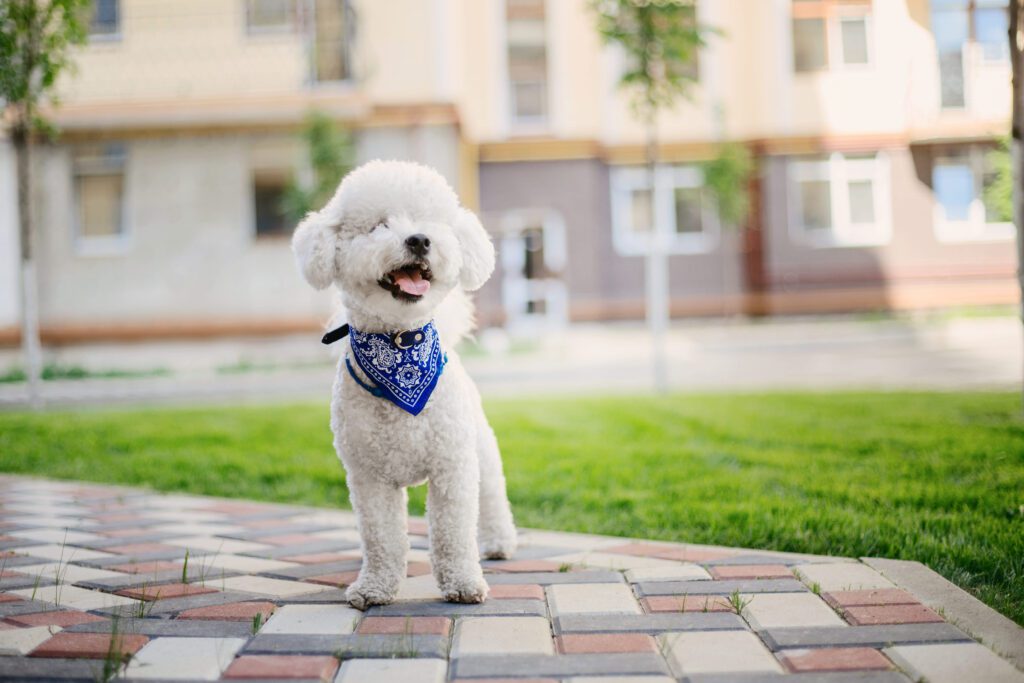

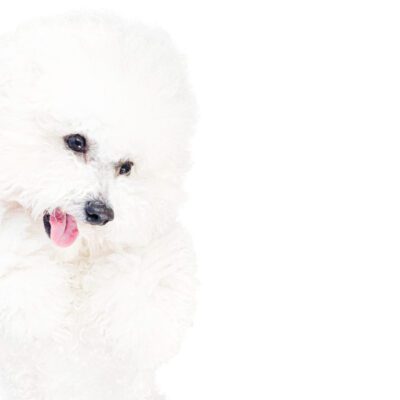
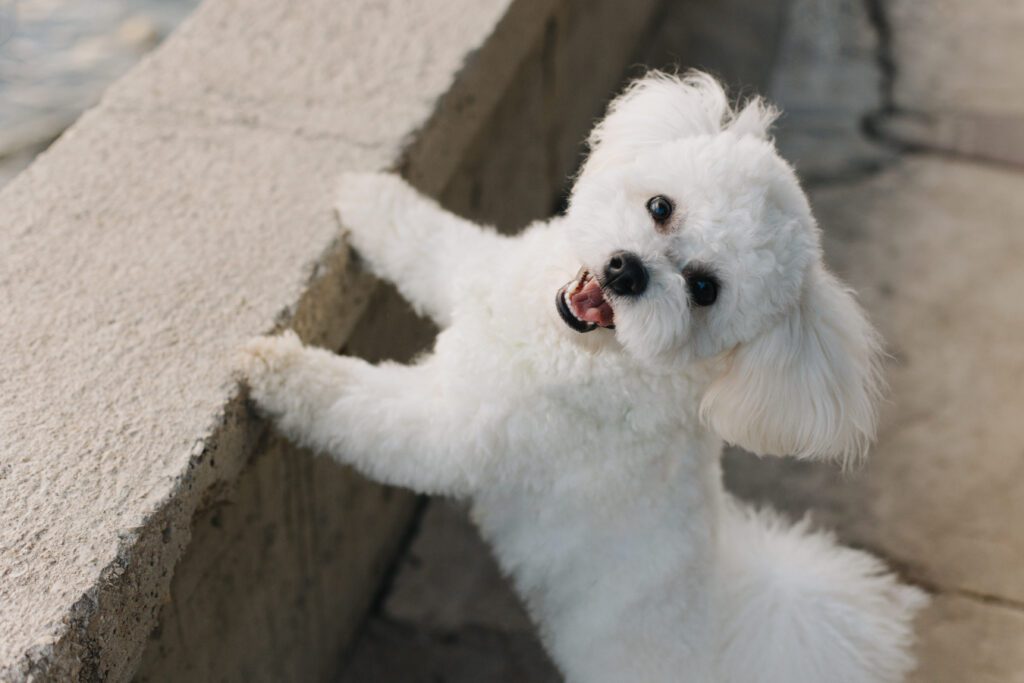
The Bichon Frise is a cheerful, people-focused companion that loves cuddles, short bursts of play, and daily routines. This small, low-shedding breed fits well in apartments and townhomes, and the gentle temperament makes the Bichon Frise a strong match for families, seniors, and first-time adopters. Careful research helps every adopter understand grooming needs, exercise habits, and temperament, which leads to a smoother transition at home.
Adoption gives a dog a second chance and supports the mission of local animal shelters and regional rescues. Adoption often provides a health baseline and behavior notes from foster caregivers, which makes matching easier than buying from a seller with limited history. Delaware’s coastal climate offers mild winters and humid summers, which suits a Bichon Frise that prefers indoor comfort and short outdoor walks. The flat geography and plentiful neighborhoods make daily strolls simple, though sticky summer heat means midday outings should be short and shaded.
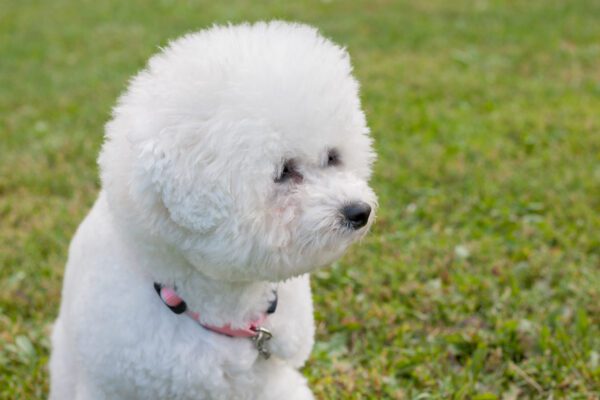
Delaware lifestyles vary from urban living to quiet beach towns. A Bichon Frise adapts well to both, as long as the dog receives daily enrichment, consistent grooming, and calm introductions to new people and pets. The fluffy coat can mat in humidity, so regular brushing keeps the coat healthy. Short play sessions and indoor training games keep a Bichon Frise content on rainy coastal days.
You can avoid searching rescues and shelters one by one by browsing adoptable Bichon Frises through Dog Academy. Dog Academy centralizes listings from shelters, regional rescues, and breed-focused groups, and the platform includes educational guides and adoption checklists that help you prepare your home and plan the first week.
Adoptable dogs in Delaware are found through local animal shelters, regional rescues, and breed-specific rescue groups. Some dogs are housed in foster homes, while others stay at adoption centers. Descriptions usually include age, size, temperament notes, and medical updates. Reading each profile closely helps you decide whether the dog’s energy, grooming needs, and training level match your household.
The adoption process starts with browsing listings, then submitting an application that includes household details, veterinary history, and landlord approval when required. Many groups ask for personal references, which confirms that your home is stable and safe. After the application review, a coordinator schedules a meet-and-greet. Meetings often happen at a facility or in a foster home, and some groups allow a short trial period to confirm the match.
Most organizations complete a virtual or in-home check to ensure that the space is secure and that all family members understand the dog’s needs. Approval timelines vary by group and by dog, although many decisions arrive within 3 to 14 days after the meet-and-greet. If a dog is located outside your immediate area, rescues sometimes arrange transport to move dogs between locations. Transport is often handled by volunteers or professional services that move dogs safely across state lines after the adoption is approved.
|
How Much Does It Cost to Adopt a Bichon Frise in Delaware?Most adopters in Delaware can expect to pay $300 to $550 to adopt a Bichon Frise. Younger dogs and recent veterinary investments tend to land near the top of that range, while seniors and special needs dogs often fall near the lower end. Fees usually include spaying or neutering, vaccinations, microchipping, and veterinary exams. Costs vary based on age, training level, recent medical care, and local demand for small, low-shedding breeds. A Bichon Frise that recently received a dental cleaning, grooming, or specialized medications may have a higher fee that reflects that investment. Puppies and dogs with strong house manners are often in higher demand, which can also influence pricing. |
How Should I Train a Bichon Frise?The Bichon Frise is intelligent, responsive, and eager to please. Positive reinforcement works best because this breed thrives on praise and gentle guidance. Short sessions, clear cues, and frequent rewards keep a Bichon Frise engaged. Many owners report early house training challenges due to a small bladder, so a consistent schedule, careful supervision, and crate training create success. Early socialization with calm dogs and friendly people builds confidence and prevents anxiety. Common challenges include alert barking, mild separation anxiety, and sensitivity to harsh tones. You can prevent these issues by rewarding quiet behavior, practicing calm departures, and teaching settle routines. Handling exercises for grooming are essential because regular brushing and professional trims keep the coat healthy and mat-free. For step-by-step support at home, explore Dog Academy’s online training courses, which cover house training plans, polite leash walking, and skills for confident, well-mannered dogs. |
|
The ideal adopter enjoys daily routines, brief walks, and regular grooming time. A Bichon Frise thrives with owners who provide companionship, mental stimulation, and a predictable schedule. Families, retirees, and apartment dwellers all succeed when they commit to training and coat care.
Thoughtful preparation leads to a smooth transition. Gather supplies, create a potty schedule, and read adoption guides before the dog arrives. Take your time, ask clear questions, and focus on fit rather than speed. With patience and planning, you will adopt a Bichon Frise in Delaware that feels right for your home and lifestyle.
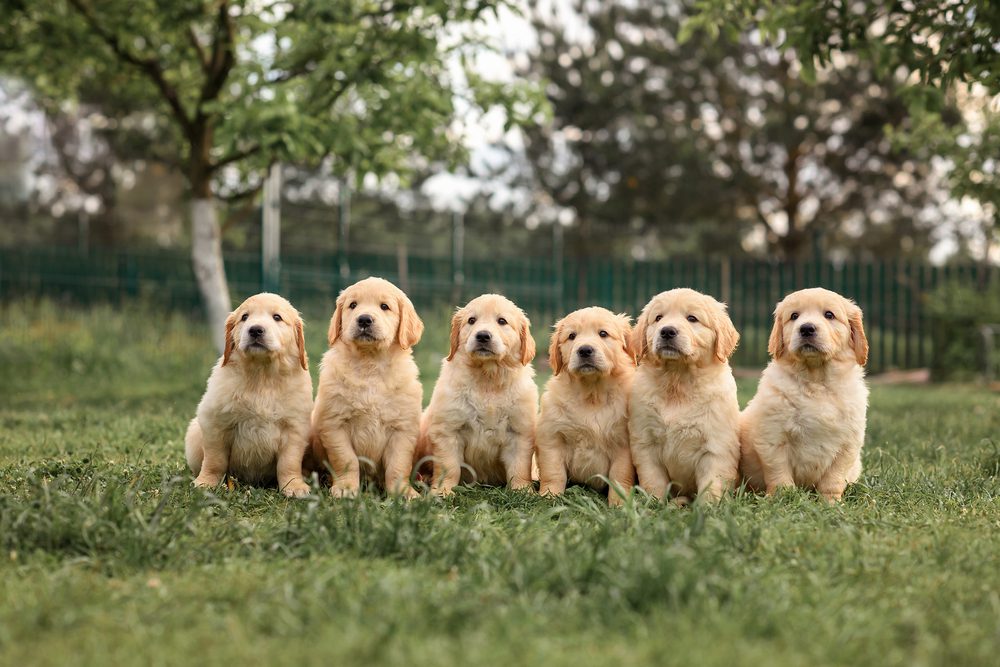
Introducing a new puppy to your current dog is often an exciting process, and many dogs will become fast friends and eas...
Read More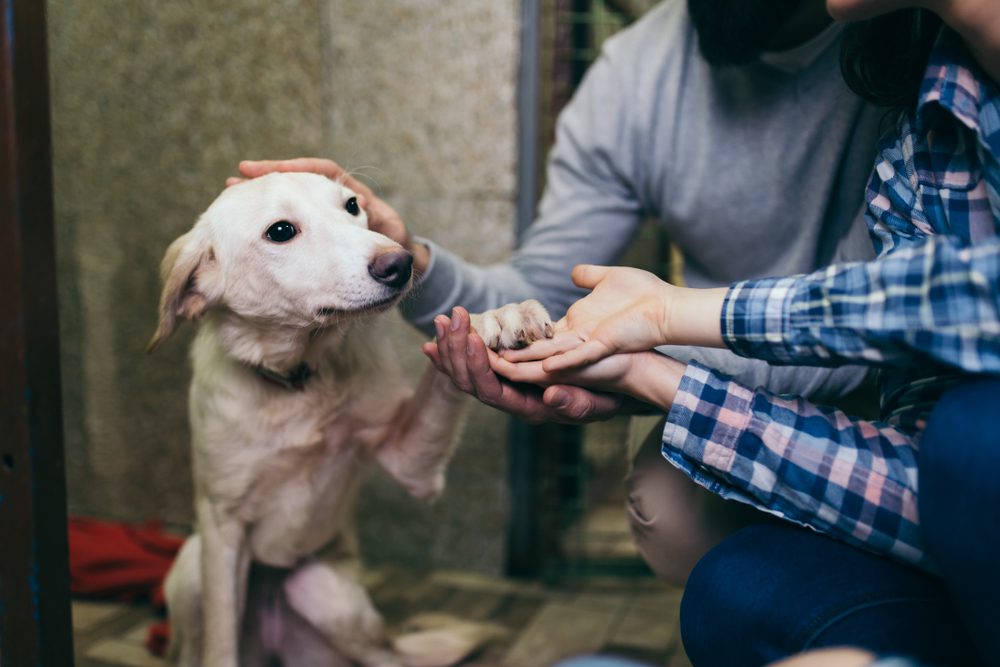
Rescue dogs can make great companions and can transform your home into something better. These dogs make great pets and ...
Read More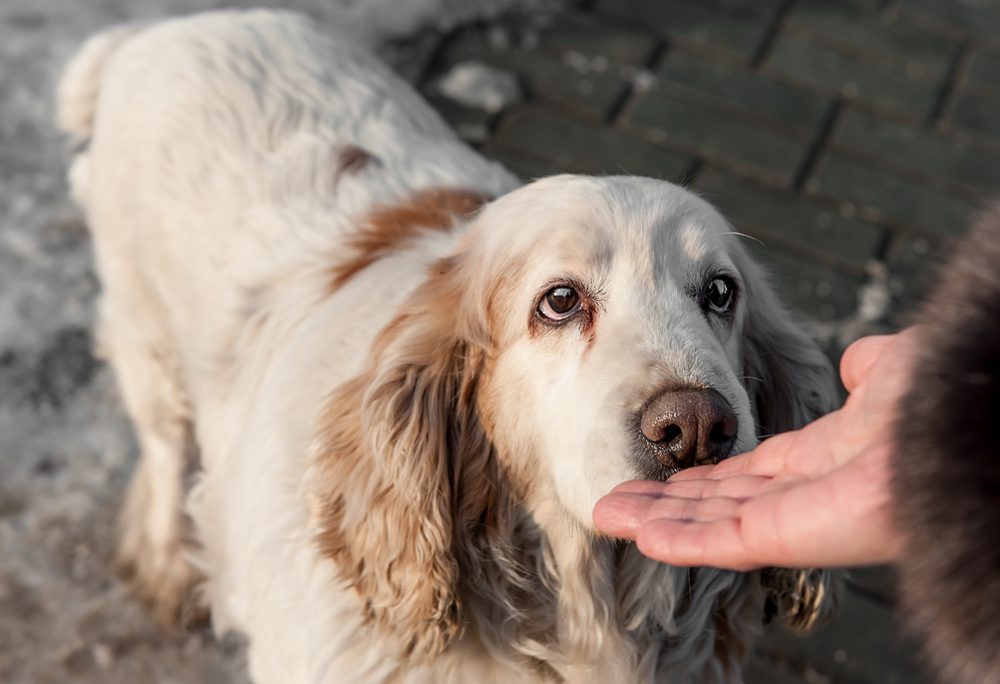
You should never rush to pet a dog. Even dog owners make the mistake of approaching unfamiliar dogs and petting them rig...
Read More
Puppy mill dogs are survivors who have endured extreme hardships in their lives. They have grown up in horrendous, unsan...
Read More
With their wagging tails and comforting presence, adopting a dog can add a unique touch to your life. It’s a heart...
Read More
Older dogs may have a few gray hairs around the edges, but that doesn’t mean they can’t make wonderful companions! T...
Read More