






























































Introducing a new puppy to your current dog is often an exciting process, and many dogs will become fast friends and eas...
Read MoreAdopt Me

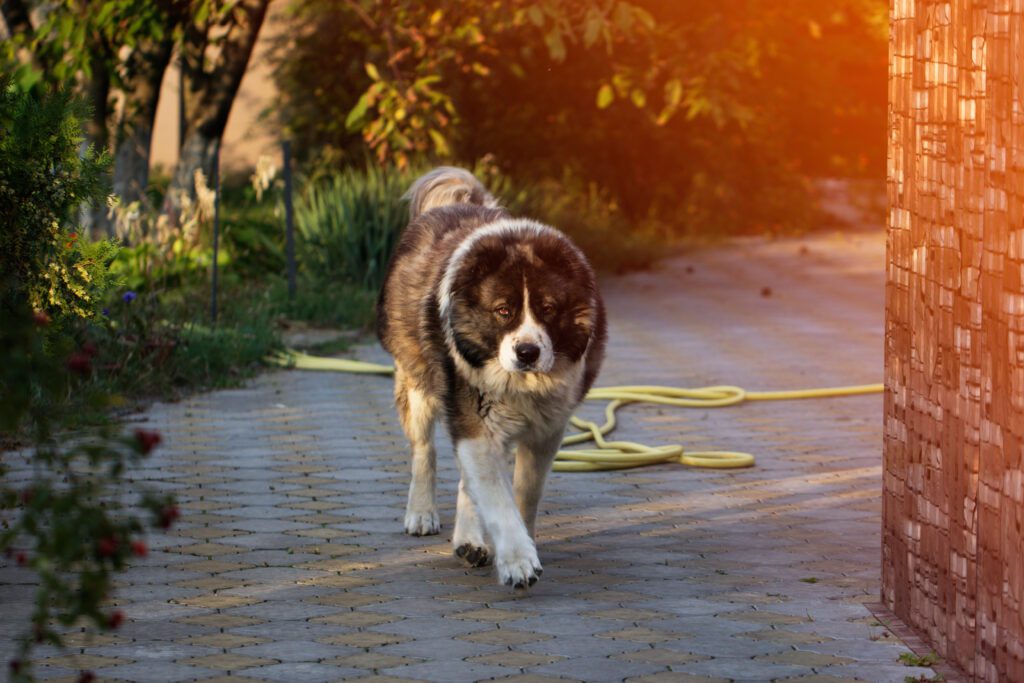


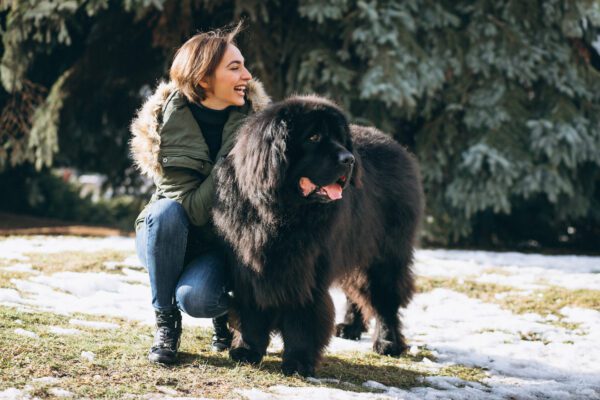
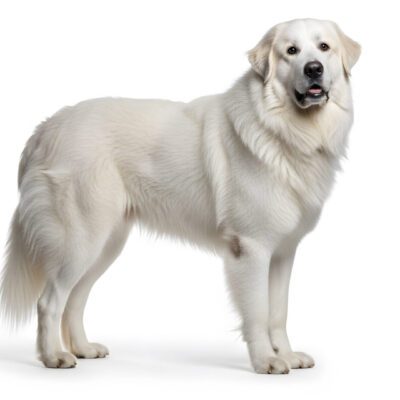
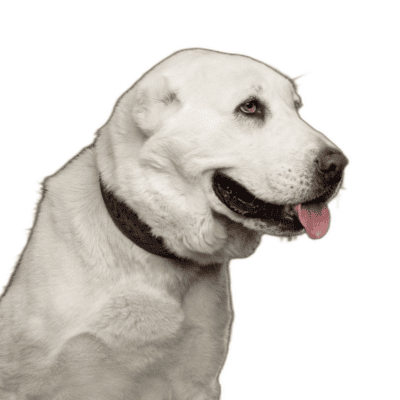
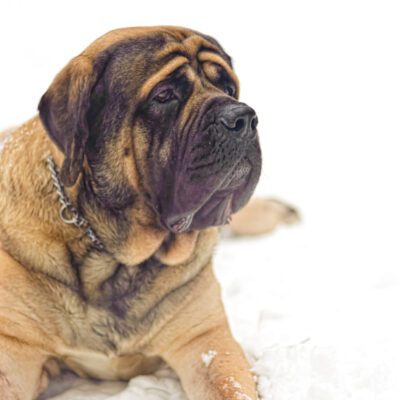
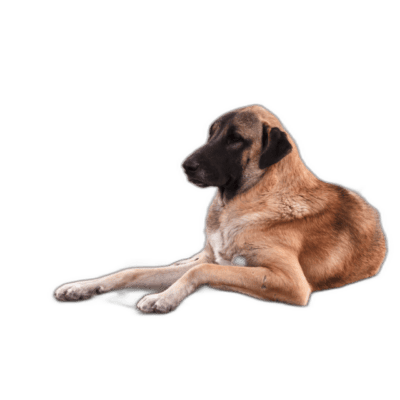
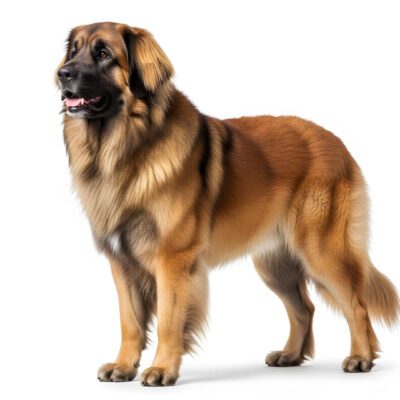
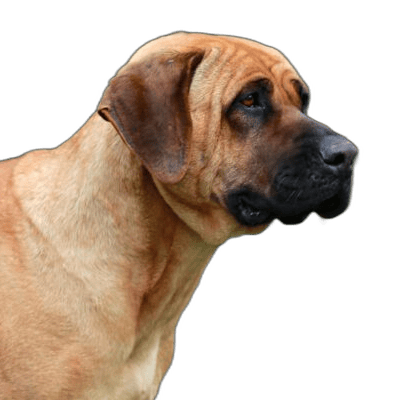
The Caucasian Shepherd, also called the Caucasian Ovcharka, is a powerful livestock guardian known for loyalty, courage, and calm confidence with family. This giant breed bonds deeply and protects decisively. Before you adopt, study the breed’s needs and your lifestyle so you can set everyone up for success. Adoption gives a good dog a second chance, reduces demand for commercial breeding, and often includes essential veterinary care that helps you start strong.
Delaware’s climate brings humid summers and cold winters. A thick-coated Caucasian Shepherd does well in cold weather yet needs careful heat management in July and August. Shade, cool indoor space, and limited midday exercise keep this dog safe. Delaware’s geography is mostly coastal plains and suburbs. Daily life in these areas can suit the breed when you provide a large, securely fenced yard and structured routines away from busy foot traffic.
This breed thrives with experienced handlers who value calm leadership, consistent training, and thoughtful socialization. A home that offers space, time, and predictable structure will help a guardian dog relax. If you want to adopt a Caucasian Shepherd in Delaware, take the time to learn how the breed thinks and prepare your property and schedule for a large working companion.
You can avoid searching rescues and shelters one by one by using Dog Academy to browse current adoption listings in one place. The listings make it easy to filter for location and breed so you can focus on fit. Dog Academy also provides practical education and adoption checklists that explain how to interview organizations, verify veterinary care, and plan a successful transition home.
In Delaware, start by checking local animal shelters, regional rescues, and breed-specific rescue groups that serve the Mid-Atlantic. Some organizations place dogs through foster homes, which helps you learn about temperament, energy, and behavior in a home setting. When you find a possible match, the next steps usually include submitting an application, sharing personal references, and providing landlord approval if you rent. Many groups ask for photos or video of your fencing to confirm safe containment for a giant guardian breed.
After your application is reviewed, you will be invited to a meet-and-greet with the dog and your family. Plan a separate introduction for resident dogs so everyone meets in a neutral, low-stress setting. A home check may follow to confirm secure gates, safe storage for chemicals, and suitable indoor space. Approval timelines often range from 1 to 4 weeks based on scheduling, the dog’s medical needs, and how quickly references respond. If your match lives outside Delaware, ask about transport. Transport is often arranged by rescues to move dogs between states using vetted volunteer drivers or professional carriers, and schedules are coordinated so the dog arrives safely and calmly.
|
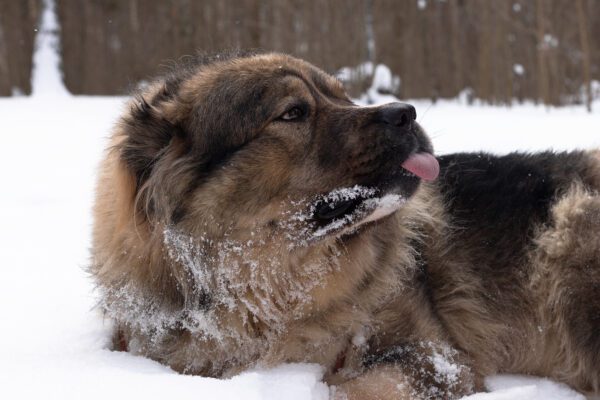
How Much Does It Cost to Adopt a Caucasian Shepherd in Delaware?Expect adoption fees for a Caucasian Shepherd in Delaware to fall between $300 and $650. The range tends to be higher for this rare, giant breed because organizations invest in thorough evaluations and veterinary care. Puppies and young adults often sit at the top of the range, while seniors may be lower. Dogs with advanced training or recent medical work can also cost more, since the organization recovers part of that investment. Most fees include spaying or neutering, vaccinations, microchipping, and veterinary exams. Costs can vary with age, training history, medical care, and local demand. Heartworm testing, deworming, and behavioral assessments also influence fees, and transport coordination can add a modest expense when a dog travels from another region. |
How Should I Train a Caucasian Shepherd?The Caucasian Shepherd is intelligent and thoughtful, yet independent. This guardian breed makes deliberate choices and watches for threats. Training should focus on building trust, teaching clear boundaries, and rewarding calm decisions. Use positive reinforcement with high-value rewards to reinforce behaviors like relaxing on a mat, checking in on cue, loose-leash walking, and waiting at thresholds. Avoid harsh corrections that create conflict. Confidence grows when the dog understands expectations and earns rewards for cooperation. Early socialization to friendly people, stable dogs, and everyday sights helps the breed feel safe in modern life. Prioritize impulse control, reliable recalls, and muzzle training for added safety during veterinary visits. Crate training supports decompression and restful sleep. If you want step-by-step guidance tailored to real homes, explore Dog Academy’s online training courses. Lessons cover foundations like engagement, leash manners, impulse control, and calm greetings, with clear plans that fit busy schedules. |
|
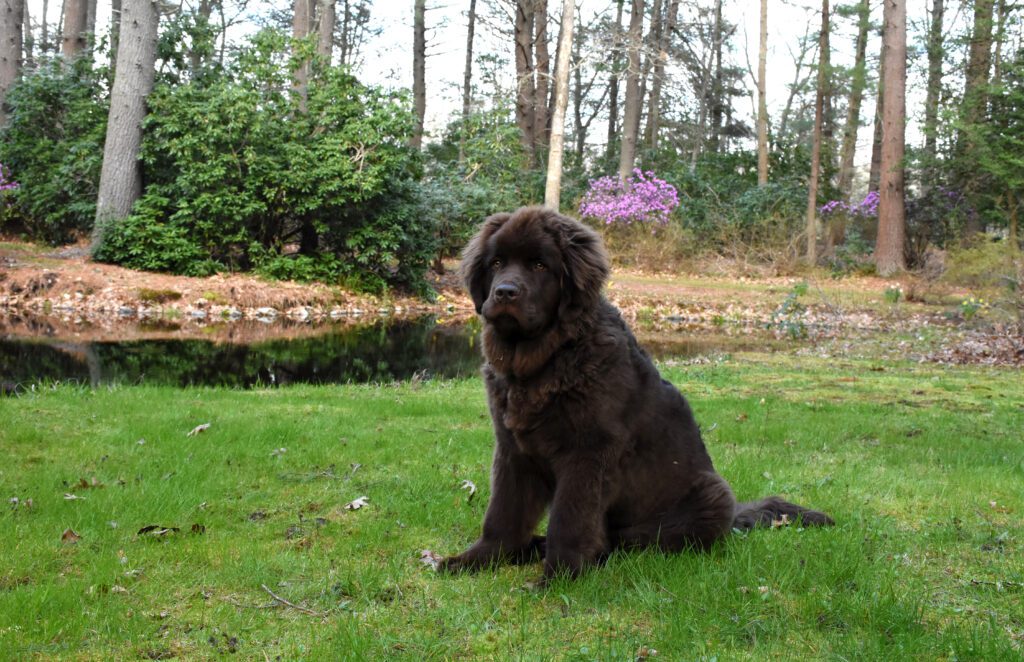
The ideal adopter is patient, consistent, and ready to manage a strong, protective dog with respect and skill. Prepare your home with secure fencing, clear routines, and cooling options for summer. Take time to research, ask questions, and move at the dog’s pace. When you are ready, browse adoptable dogs through Dog Academy, study each profile carefully, and choose the match that fits your lifestyle. Thoughtful preparation today leads to a confident, settled guardian tomorrow.

Introducing a new puppy to your current dog is often an exciting process, and many dogs will become fast friends and eas...
Read More
Rescue dogs can make great companions and can transform your home into something better. These dogs make great pets and ...
Read More
You should never rush to pet a dog. Even dog owners make the mistake of approaching unfamiliar dogs and petting them rig...
Read More
Puppy mill dogs are survivors who have endured extreme hardships in their lives. They have grown up in horrendous, unsan...
Read More
With their wagging tails and comforting presence, adopting a dog can add a unique touch to your life. It’s a heart...
Read More
Older dogs may have a few gray hairs around the edges, but that doesn’t mean they can’t make wonderful companions! T...
Read More