



























































































































































































Introducing a new puppy to your current dog is often an exciting process, and many dogs will become fast friends and eas...
Read MoreAdopt Me




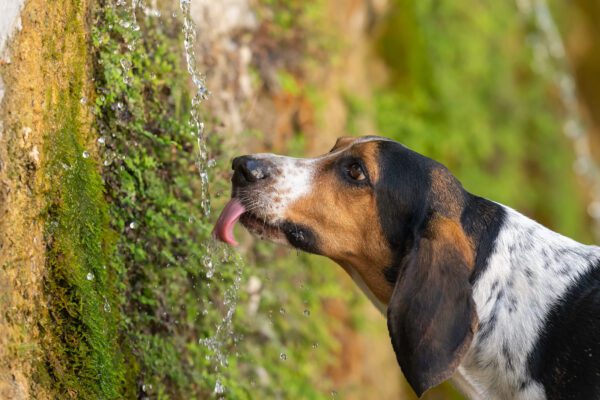
The Treeing Walker Coonhound is energetic, intelligent, and affectionate. This hound tracks scents with relentless focus and relaxes into a gentle companion at home. Many families love the breed’s cheerful spirit, athletic drive, and eagerness to explore.
Thoughtful research matters before you adopt a Treeing Walker Coonhound in Delaware. This breed thrives with daily exercise, patient training, and consistent routines. Adoption gives a deserving dog a second chance and often includes helpful vetting that prepares the dog for home life. Adoption also reduces demand for commercial breeding and supports responsible animal welfare.
Delaware offers beaches, forests, and flat trails that suit a curious scent hound. Summers bring heat and humidity, so your hound needs shade, water, and rest during mid-day walks. Winters are moderate, yet windy coastal days can feel brisk, so shorter outings may help thin-coated dogs. The state’s compact size puts parks within reach, but wildlife and busy neighborhoods require leashes, secure fencing, and solid recall training. Apartment living can work when you commit to long walks, structured play, and daily mental enrichment.
You can save time by using adoption listings through Dog Academy rather than searching shelters and rescues one by one. You can browse available hounds, filter by location, and review clear profiles in one place. Dog Academy also provides educational guides and adoption checklists that help you prepare your home and plan your first weeks together.
Start your search with local animal shelters, regional rescues, foster-based groups, and breed-specific rescue groups. Read each profile closely. Confirm energy level, prey drive, vocal tendencies, and house manners. Ask about medical history, behavior notes, and any training started in foster care. A good match fits your schedule, your activity level, your home setup, and your training goals.
Most organizations ask you to browse listings, submit an application, and schedule a meet-and-greet. Applications usually request information about your housing, your yard or exercise plan, your daily schedule, and your experience with dogs. Many groups ask for veterinary references and landlord approval if you rent. Meet-and-greets help you assess compatibility and introduce resident pets in a controlled setting. Some organizations complete a home check, which may be virtual or in person, to confirm safety, secure fencing, and space for rest and feeding.
Approval timelines vary by organization and the dog’s needs. Municipal shelters may finalize adoptions within 3 to 10 days. Foster-based rescues often take 1 to 3 weeks because they review references and coordinate meetings with foster families. If you are considering a dog outside your area, ask about transport. Transport is often arranged by rescues to move dogs between states or regions using volunteer drivers or licensed carriers. Transport usually happens only after approval and payment, and adopters typically meet at a designated location and cover a modest transport fee. Always review the contract so you understand trial periods, training requirements, and return policies.

|
How Much Does It Cost to Adopt a Treeing Walker Coonhound in Delaware?In Delaware, most adopters pay about $175 to $325 for an adult Treeing Walker Coonhound and about $300 to $500 for a puppy. Fees at municipal shelters often sit near the lower end, and fees at foster-based rescues often land near the higher end due to additional care and support. Costs reflect services such as spaying or neutering, vaccinations, microchipping, and veterinary exams. Fees can rise with recent medical care like heartworm treatment or dental work. Age, training level, demand for younger dogs, and whether transport is included can also affect the final price. Local licensing and supplies are separate expenses you should plan to cover after adoption. |
How Should I Train a Treeing Walker Coonhound?The Treeing Walker Coonhound is bright and eager, yet easily distracted by scent. Positive reinforcement works best because this breed responds strongly to food rewards, praise, and games. Keep sessions short and upbeat. Build focus with simple targets, hand touches, and name recognition before you ask for advanced skills. Common challenges include pulling on leash, selective recall, and vocalizing when excited or bored. Use a long line to build a reliable recall in safe, open areas. Reward returns generously every time. Teach loose-leash walking with frequent turns and rewards for position. Add enrichment that matches hound instincts. Try scent games, snuffle mats, hide-and-seek treats, and structured tracking lines. Provide daily exercise through brisk walks, jogs, or hikes, and balance activity with quiet time and crate rest so your dog learns to settle. Consistency prevents problems. Set clear house rules, maintain feeding and potty schedules, and manage the environment with gates and tethers. When you want expert guidance, explore Dog Academy’s online training courses for step-by-step lessons on recall, leash skills, impulse control, and calm behavior at home. |

|
A great match for this breed enjoys long walks, values routine, and loves engaging a sharp nose with daily challenges. A secure yard or access to safe trails helps, and committed training keeps a curious hound on track. Families who welcome some vocalizing and embrace active living often find this breed deeply rewarding.
Prepare before you adopt a Treeing Walker Coonhound in Delaware. Set a budget for fees and supplies, confirm time for training and exercise, and plan enrichment for rainy or hot days. Take your time, ask detailed questions, and trust the process. When you are ready, use Dog Academy to find a well-matched hound and start your new partnership with confidence.

Introducing a new puppy to your current dog is often an exciting process, and many dogs will become fast friends and eas...
Read More
Rescue dogs can make great companions and can transform your home into something better. These dogs make great pets and ...
Read More
You should never rush to pet a dog. Even dog owners make the mistake of approaching unfamiliar dogs and petting them rig...
Read More
Puppy mill dogs are survivors who have endured extreme hardships in their lives. They have grown up in horrendous, unsan...
Read More
With their wagging tails and comforting presence, adopting a dog can add a unique touch to your life. It’s a heart...
Read More
Older dogs may have a few gray hairs around the edges, but that doesn’t mean they can’t make wonderful companions! T...
Read More