
























































































































































































Introducing a new puppy to your current dog is often an exciting process, and many dogs will become fast friends and eas...
Read More
How to Introduce a New Puppy to Your Dog
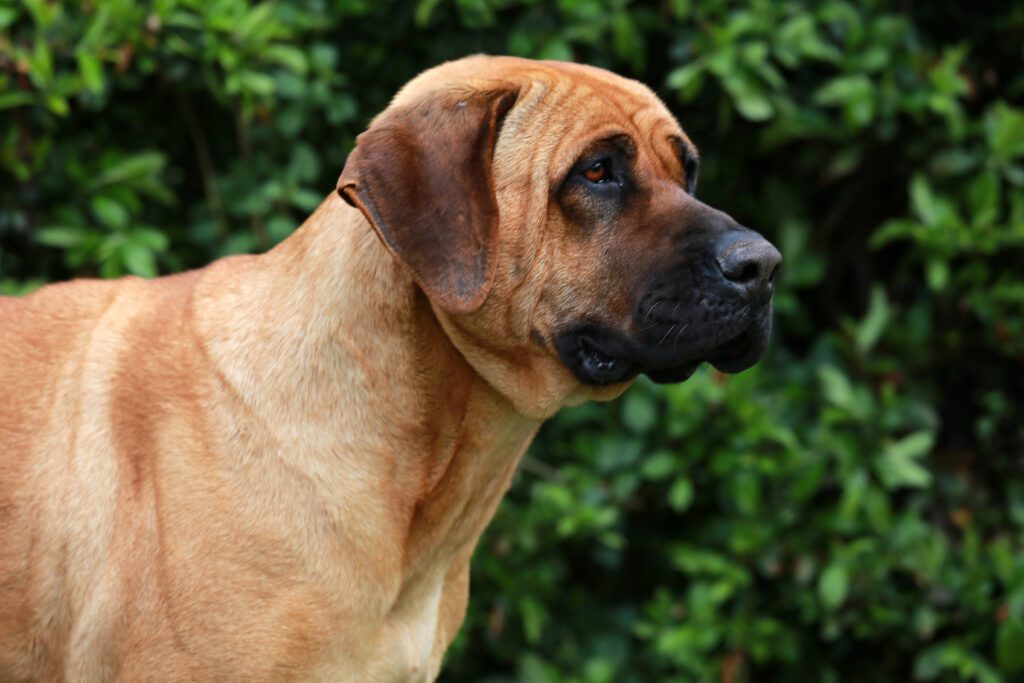
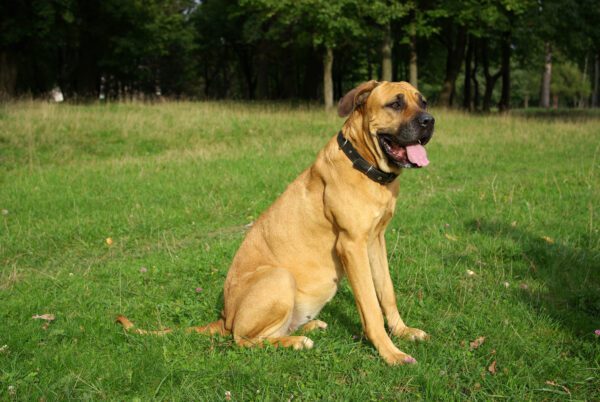
The Tosa Inu is a powerful, composed, and deeply loyal companion. The breed is calm in the home, watchful outdoors, and devoted to family. A well-bred and well-socialized Tosa Inu shows confidence, restraint, and quiet dignity. This dog bonds closely with its people and thrives with structure and clear guidance.
Research is essential before you adopt a Tosa Inu. Understanding size, strength, exercise needs, and typical temperament helps you choose the right match. Adoption is preferable to buying because you give a dog a second chance while gaining support from knowledgeable teams that evaluate behavior and health. Careful matching is especially valuable with a large guardian breed.
Delaware can suit a Tosa Inu when you plan thoughtfully. Summers are humid and hot, so you must schedule cool-hour walks and provide shade and fresh water. Winters are chilly, and the short coat benefits from a warm, fitted jacket during cold snaps. Delaware’s flat neighborhoods and suburban yards make controlled exercise straightforward. Coastal trails and parks add enrichment, although many areas require leashes and have seasonal rules. Dense urban living can be challenging due to size and presence, so consistent training and confident handling are important.
You can avoid searching local animal shelters and regional rescues one by one by using Dog Academy to browse verified adoption listings in one place. You can also use Dog Academy for step-by-step adoption guides and practical checklists that help you prepare your home, budget, and schedule. You may also find Tosa Inus through local animal shelters, foster-based groups, and breed-specific rescue groups that place dogs within Delaware.
Start by browsing listings and reading each profile closely. Profiles usually describe age, size, energy level, and temperament notes. With Tosa Inus, pay attention to dog selectivity, handling comfort, and experience recommendations. Confirm policies on children, resident pets, and housing requirements. Ask for videos and behavior summaries when possible so you can understand the dog’s daily routine and training level.
Submit an application when you find a potential match. Applications typically ask for your address, household details, veterinary and personal references, and landlord approval or proof of home ownership. Many groups verify vaccination history for current pets and request proof of secure fencing or a detailed exercise plan. Phone interviews and virtual meetings help the team understand your experience with large breeds and your training approach.
Next comes a meet-and-greet. Everyone in the household should attend, and resident dogs should meet on neutral ground with slow, structured introductions. Some groups may request a basic handling or equipment demonstration to confirm safe management. A home check follows, which can be virtual or in person, and focuses on exits, fencing, and safe containment. Final approval often arrives after references clear and the team confirms fit.
Approval timelines vary by group and by dog. Many adoptions in Delaware finalize within 1 to 3 weeks after the application, although rare breeds and complex cases can take longer. If the right Tosa Inu is out of state, rescues may arrange transport between locations. Transport is often managed by volunteer drivers or licensed carriers who move dogs safely along a planned route. Dogs travel with health certificates when required, and adopters usually meet at a designated pickup point and pay a clearly stated transport fee.
|
How Much Does It Cost to Adopt a Tosa Inu in Delaware?Expect to pay about $300 to $650 to adopt a Tosa Inu in Delaware. The exact fee depends on age, training level, recent medical care, and local demand for the breed. Puppies and professionally trained adults often sit at the higher end of the range, while seniors or dogs with sponsors may fall toward the lower end. Adoption fees generally include spaying or neutering, vaccinations, microchipping, and veterinary exams. Some groups add a separate, transparent fee for interstate transport when applicable. |
How Should I Train a Tosa Inu?The Tosa Inu is intelligent, thoughtful, and responsive when training is fair and consistent. The breed can be independent, so it thrives with calm leadership and clear rules. Positive reinforcement builds trust and produces reliable behavior. Start on day 1 with rewards for quiet eye contact, calm greetings, and polite behavior at doors and gates. Focus on foundation skills that create control in real life. Teach name recognition, loose-leash walking, a solid recall, leave it, and a long settle on a mat. Practice impulse control around food bowls, doorways, and moving distractions. Keep sessions short and upbeat, and use food rewards, toys, and calm praise. Early and ongoing socialization is vital, which means safe exposure to new people, new surfaces, veterinary handling, and neutral dogs at a distance. Muzzle training and cooperative care reduce stress and keep everyone safe during vet visits and grooming. You can build a complete plan with Dog Academy’s online training courses. Courses provide step-by-step lessons for basic obedience, leash manners, reactivity management, confidence building, and Canine Good Citizen preparation. Lessons are easy to follow, and you can progress at your own pace to create a stable, well-mannered companion. |

|
The ideal adopter is an experienced large-dog owner who enjoys structure, daily training, and calm leadership. A secure yard, a predictable routine, and time for exercise and enrichment help a Tosa Inu thrive. A commitment to ongoing socialization, clear rules, and gentle handling keeps this strong breed balanced and content.
Prepare your home, set a realistic budget, and give yourself time to find the right match. Use Dog Academy to review current listings and to follow clear checklists from first inquiry to gotcha day. Careful research and steady training create a loyal companion who fits your life in Delaware for years to come.
Introducing a new puppy to your current dog is often an exciting process, and many dogs will become fast friends and eas...
Read More
Rescue dogs can make great companions and can transform your home into something better. These dogs make great pets and ...
Read More
You should never rush to pet a dog. Even dog owners make the mistake of approaching unfamiliar dogs and petting them rig...
Read More
Puppy mill dogs are survivors who have endured extreme hardships in their lives. They have grown up in horrendous, unsan...
Read More
With their wagging tails and comforting presence, adopting a dog can add a unique touch to your life. It’s a heart...
Read More
Older dogs may have a few gray hairs around the edges, but that doesn’t mean they can’t make wonderful companions! T...
Read More