

























































































































































































Introducing a new puppy to your current dog is often an exciting process, and many dogs will become fast friends and eas...
Read MoreAdopt Me

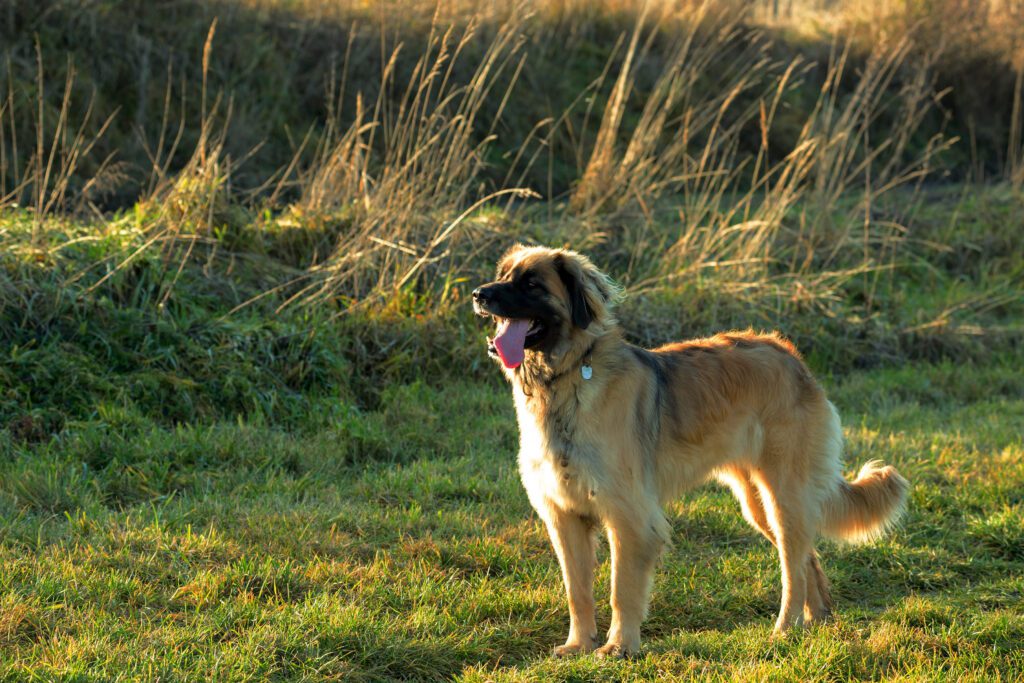
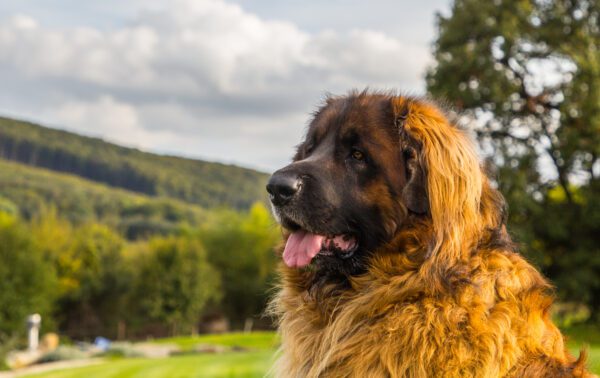
The Leonberger is a calm, affectionate, and steady giant that bonds closely with family and shows remarkable patience with children when training and supervision are consistent. This breed brings a gentle demeanor, strong work ethic, and confident presence to any home that provides time, structure, and daily engagement. Research matters because a giant working breed needs thoughtful socialization, safe exercise, and lifelong grooming. Adoption gives a deserving dog a second chance and often includes valuable veterinary care that supports a healthy start.
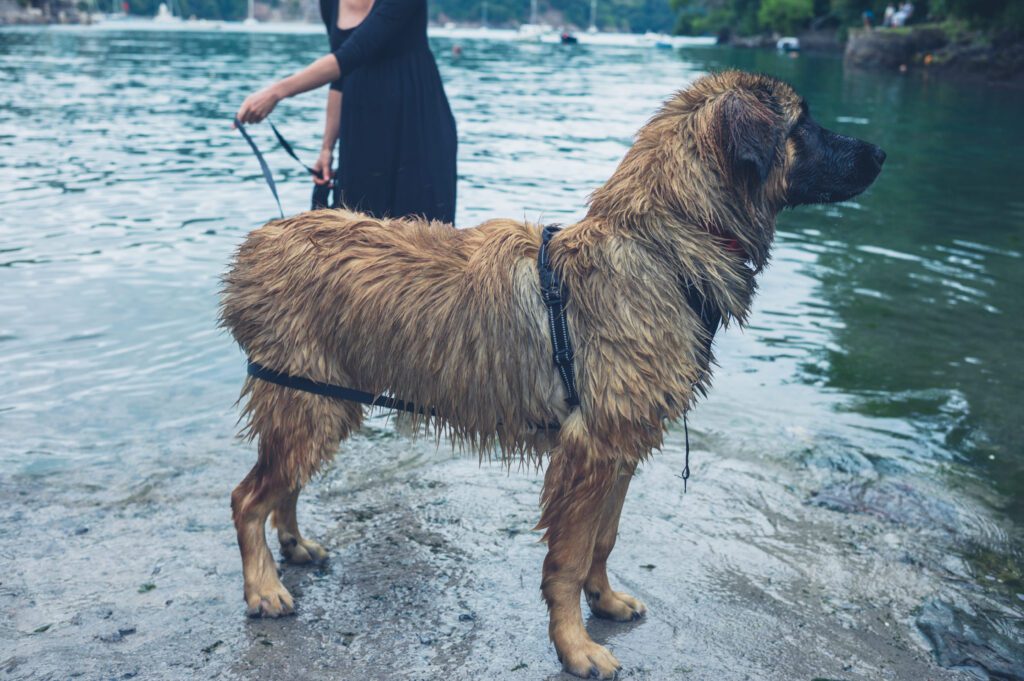
Delaware’s climate brings hot, humid summers and cool winters with occasional snow. A Leonberger tolerates cold weather well but needs shade, fresh water, and indoor cooling during summer heat to prevent overheating. Delaware’s flat coastal plain, small towns, and suburban neighborhoods suit a Leonberger when daily walks, mental enrichment, and secure yard time are part of the routine. Beach trips can be enjoyable when local rules are followed and when rest breaks and fresh water are provided.
Prospective adopters in Delaware should plan for a large footprint in the home, a sturdy vehicle for transport, and consistent grooming. The Leonberger has a dense double coat that sheds heavily and needs thorough brushing several times per week. Thoughtful preparation helps a newly adopted Leonberger settle quickly and safely.
You can avoid searching shelters and rescues separately by using Dog Academy to browse adoptable dogs in one place. You can also check local animal shelters, regional rescues, and breed-specific rescue groups that serve the Mid-Atlantic. Understanding Leonberger needs before applying saves time. A Leonberger thrives with steady companionship, moderate daily exercise, and clear house rules that protect joints and teach manners.
The process starts with browsing listings and reading each profile carefully. You then submit an application that typically requests identification, household details, veterinary history for current pets, and landlord permission when you rent. Many groups ask for personal references and may schedule a phone interview to discuss experience with giant breeds and daily care plans.
Most organizations require a meet-and-greet to confirm a good match. The meeting often includes all household members and resident dogs to ensure compatibility. A home check may follow, and this step confirms safety basics such as secure fencing, safe storage of chemicals, and adequate indoor space. Home checks can be virtual video tours or in-person visits. Timelines vary, but approvals in Delaware often take 1 to 3 weeks once references and scheduling align. Some groups offer foster-to-adopt arrangements, which allow the dog to live with you while finalizing paperwork and confirming fit.
Transport is sometimes arranged by rescues to move dogs between locations when a strong match is found. Transport typically uses volunteer drivers or licensed carriers who coordinate routes and handoffs to keep the dog safe and comfortable. Prepare ahead by gathering supplies, setting up a quiet rest area, and reviewing educational guides and adoption checklists available from Dog Academy. Preparation reduces stress on arrival day and supports a smooth transition.
|
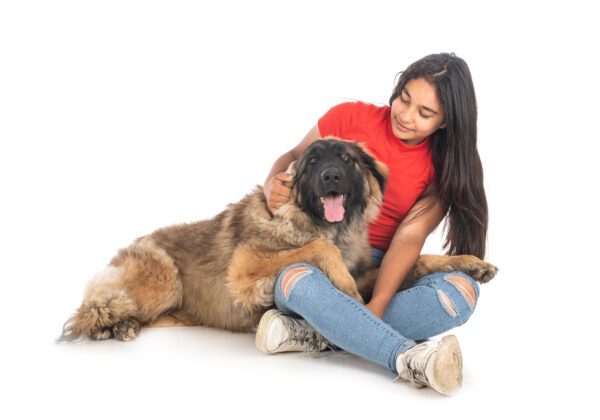
How Much Does It Cost to Adopt a Leonberger in Delaware?In Delaware, the typical adoption fee for a Leonberger is about $300 to $500 for most adults and about $400 to $650 for puppies. Fees trend higher for puppies due to vaccination schedules and demand, and they can be toward the lower end for seniors or dogs with ongoing medical needs. Most fees include spaying or neutering, vaccinations, microchipping, and veterinary exams. Fees may increase when a dog receives additional diagnostics, professional training, or dental care before adoption. Final cost depends on age, training, medical history, and regional demand. Plan additional funds for a giant-size crate, a well-fitted harness, large-format beds, and high-quality nutrition. Budgeting for initial supplies and a wellness visit helps a newly adopted Leonberger settle into Delaware life with confidence. |
How Should I Train a Leonberger?The Leonberger is intelligent, people oriented, and responsive when training is consistent and kind. Positive reinforcement works best because this breed is sensitive and values clear guidance. Reward calm choices, build reliable leash manners, and practice impulse control through sit, down, stay, and wait at thresholds. Short, frequent sessions keep focus high and prevent frustration. Common challenges include pulling due to size and enthusiasm, jumping to greet, and mild guarding of space or resources if boundaries are unclear. Start early socialization with friendly, controlled exposures to people, dogs, sounds, and surfaces. Protect growing joints by avoiding high-impact exercise, and teach a solid recall using high-value rewards. For structured help at home, explore Dog Academy’s online training courses, which guide you through foundation skills, loose-leash walking, polite greetings, and cooperative care for grooming. |
|
The ideal Leonberger adopter provides time for training, space for a giant companion, and a calm routine with regular exercise and grooming. A home that values gentle leadership and daily engagement will bring out the breed’s affectionate, steady nature. Preparation ensures success. You can gather supplies in advance, choose a local veterinarian, and review breed care to set clear expectations.
Take your time to research, ask detailed questions, and meet candidates more than once when possible. When you feel ready, use Dog Academy to find current listings and to access expert guidance that supports each step. A thoughtful approach helps you adopt a Leonberger in Delaware with confidence and care.

Introducing a new puppy to your current dog is often an exciting process, and many dogs will become fast friends and eas...
Read More
Rescue dogs can make great companions and can transform your home into something better. These dogs make great pets and ...
Read More
You should never rush to pet a dog. Even dog owners make the mistake of approaching unfamiliar dogs and petting them rig...
Read More
Puppy mill dogs are survivors who have endured extreme hardships in their lives. They have grown up in horrendous, unsan...
Read More
With their wagging tails and comforting presence, adopting a dog can add a unique touch to your life. It’s a heart...
Read More
Older dogs may have a few gray hairs around the edges, but that doesn’t mean they can’t make wonderful companions! T...
Read More