


























































































































































































Introducing a new puppy to your current dog is often an exciting process, and many dogs will become fast friends and eas...
Read MoreAdopt Me

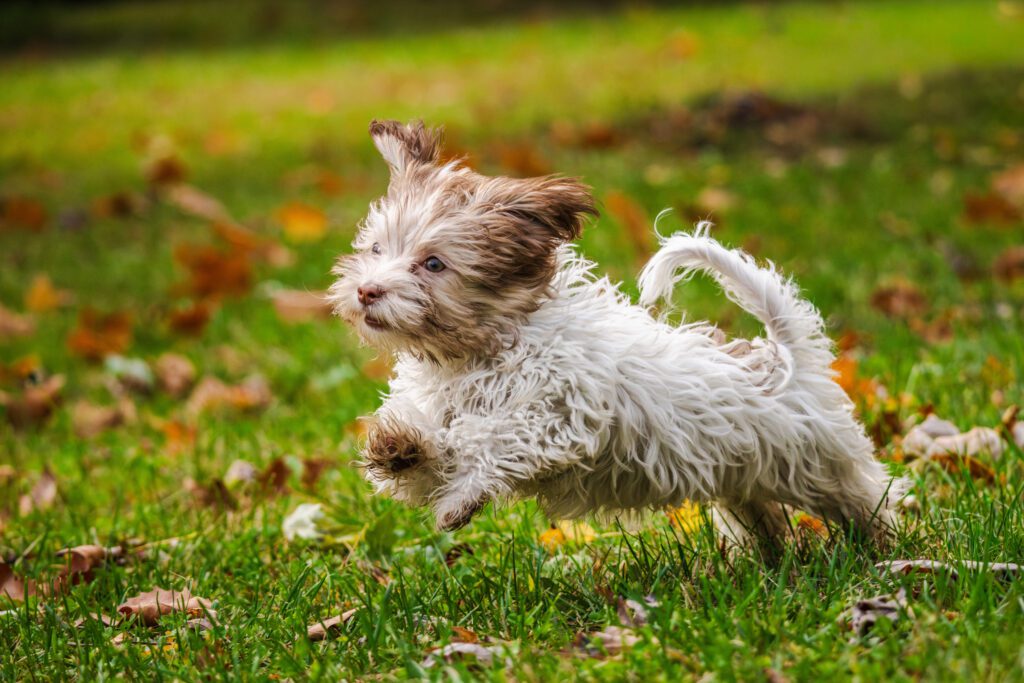
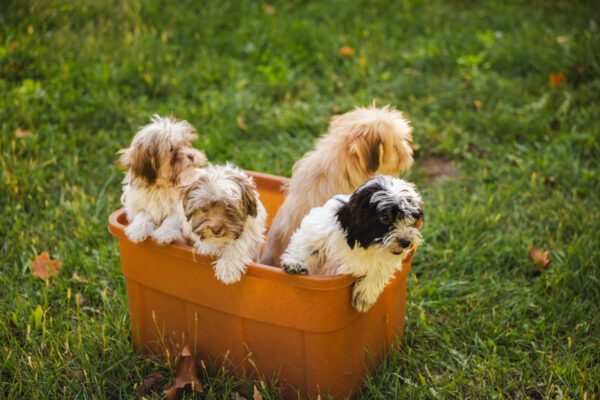
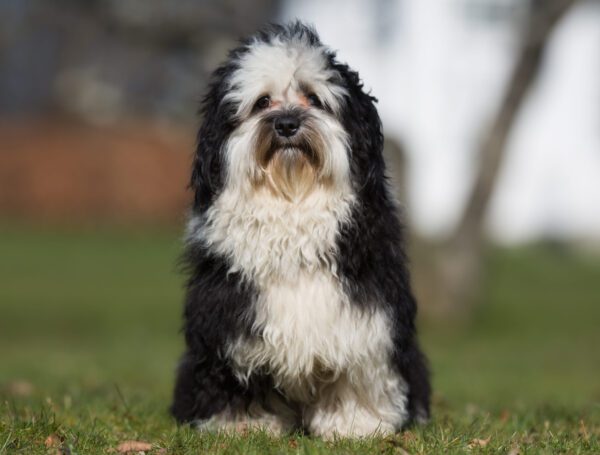
The Havanese is a cheerful, people-focused companion that thrives on attention and gentle play. This small dog is sturdy, affectionate, and adaptable. The silky coat is low shedding and needs regular brushing and professional grooming. The breed suits families, retirees, and first-time dog owners who want a friendly indoor companion.
Thoughtful research sets every adoption up for success. Learn about grooming schedules, daily exercise needs, and training time before you bring a dog home. Adoption gives a waiting dog a second chance and supports humane placement. Many adopted Havanese arrive spayed or neutered, vaccinated, and microchipped, which helps with a smooth transition.
Delaware offers a good match for a Havanese. Summers feel humid and warm, so air conditioning, shade, and fresh water keep this small dog comfortable. Winters bring cold winds, so a short coat trim and a cozy sweater during brisk walks help a lot. Flat neighborhoods, quiet suburbs, and coastal paths suit short daily strolls and sniffing breaks. Always check local rules for dog-friendly hours before visiting beaches or trails.
You can skip searching shelters and rescues one by one by using Dog Academy. The adoption listings gather available dogs from multiple sources and help you filter by size, age, and location. Dog Academy also provides educational guides and adoption checklists that explain documents, supplies, and first-week routines in clear steps.
Beyond centralized listings, look for Havanese through local animal shelters, regional rescues, breed-specific rescue groups, and foster networks. Read each bio closely and match energy level, grooming tolerance, and social needs to your daily routine. A Havanese usually prefers steady companionship, short walks, and gentle play, which makes a calm home a strong fit.
The process starts by browsing listings and submitting an application. Most applications request identification, landlord approval if you rent, and contact information for personal references. Some groups ask for veterinary records for current pets to confirm preventive care and compatibility. This screening protects both the dog and the adopter by ensuring a safe and stable placement.
After approval, you schedule a meet-and-greet to confirm temperament and fit. Home checks are common and may occur virtually or in person. A home check confirms safe fencing, secure trash storage, and a hazard-free living area. Many approvals finish within 1 to 3 weeks. Local adoptions can move faster, while medical cases or puppies may take longer due to extra review.
Rescues sometimes arrange transport to move dogs between locations when a strong match exists. Transport typically involves coordinated ground travel with scheduled rest stops and a health certificate from a veterinarian. You receive a pickup time, delivery location, and contact details for the transporter. A modest fee often covers fuel, supplies, and health paperwork, and the rescue guides you through every step.
|
How Much Does It Cost to Adopt a Havanese in Delaware?Most adopters in Delaware pay $300 to $550 to adopt a Havanese. The fee reflects high demand for small companion dogs and the medical care provided before placement. Puppies and young adults usually sit at the higher end. Seniors and dogs with special needs usually cost less to encourage the right match. Fees often include spaying or neutering, vaccinations, microchipping, and veterinary exams. Some groups add dental cleanings, professional grooming for matted coats, heartworm testing, and preventives. Training or foster-to-adopt support can raise the fee when extra services are included. Transport can add a separate charge if you use it, and local licensing may be due at pickup. The inclusive fee usually saves money compared to arranging these services on your own. |
How Should I Train a Havanese?The Havanese is bright, eager to please, and sensitive to tone. Short, upbeat sessions work best. Use positive reinforcement with food rewards, praise, and play. Keep lessons to 5 to 10 minutes and repeat them throughout the day. Harsh corrections can shut this breed down, so guide with clear cues and consistent rewards. House training can take patience because small dogs need frequent potty breaks. A regular schedule, close supervision, and crate training create reliable habits. Address barking by rewarding quiet behavior and by teaching a cue for settle. Ease separation stress with gradual alone-time exercises and calming enrichment. For step-by-step help, enroll in Dog Academy’s online training courses, which cover potty training, polite manners, and confidence building with clear video lessons and coach support. |

|
The ideal adopter enjoys daily closeness, gentle walks, and regular grooming. Families, remote workers, and retirees often provide the steady companionship a Havanese loves. Prepare your home, gather supplies, and plan a calm first week to build trust and routine.
Take your time, ask detailed questions, and choose a dog whose needs match your lifestyle. With careful research, patient training, and the right support, you can adopt a Havanese in Delaware and enjoy a happy, lasting bond.

Introducing a new puppy to your current dog is often an exciting process, and many dogs will become fast friends and eas...
Read More
Rescue dogs can make great companions and can transform your home into something better. These dogs make great pets and ...
Read More
You should never rush to pet a dog. Even dog owners make the mistake of approaching unfamiliar dogs and petting them rig...
Read More
Puppy mill dogs are survivors who have endured extreme hardships in their lives. They have grown up in horrendous, unsan...
Read More
With their wagging tails and comforting presence, adopting a dog can add a unique touch to your life. It’s a heart...
Read More
Older dogs may have a few gray hairs around the edges, but that doesn’t mean they can’t make wonderful companions! T...
Read More