































































































































Introducing a new puppy to your current dog is often an exciting process, and many dogs will become fast friends and eas...
Read MoreAdopt Me

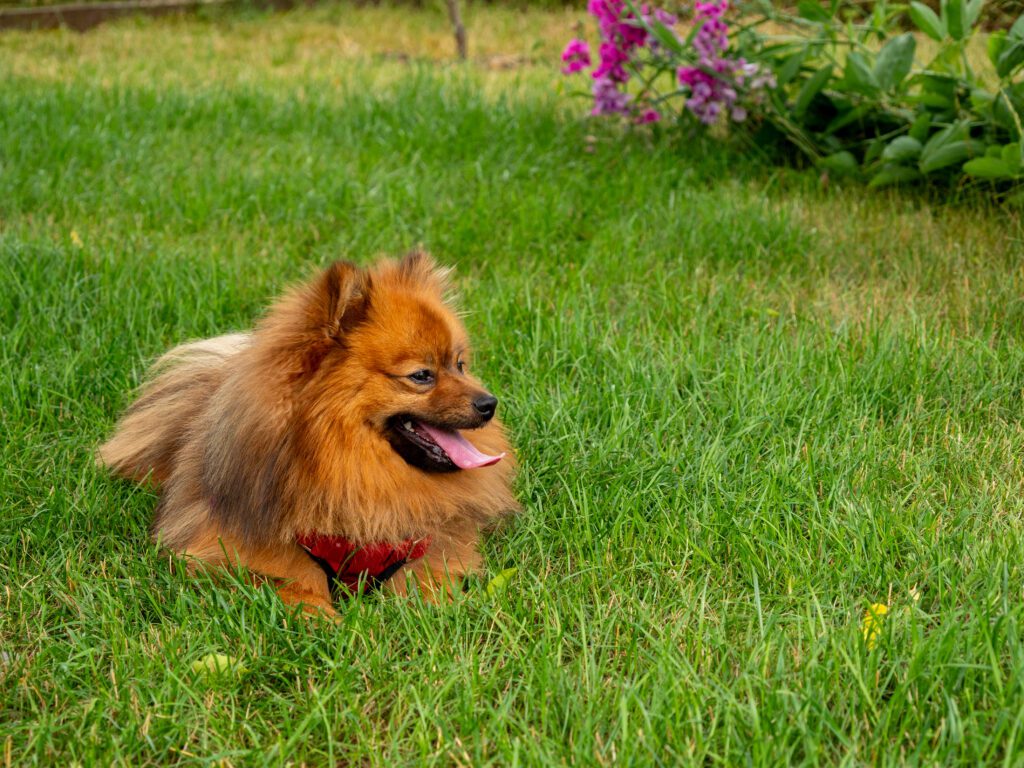
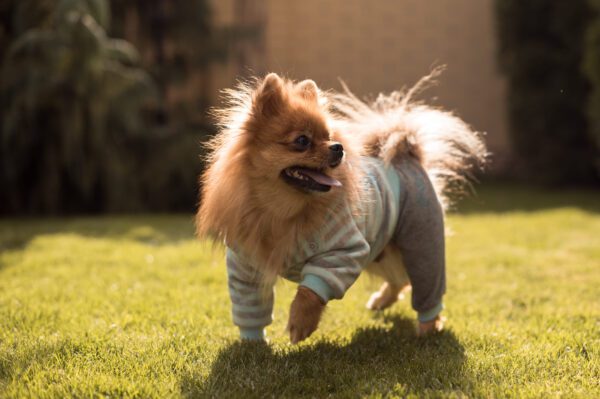
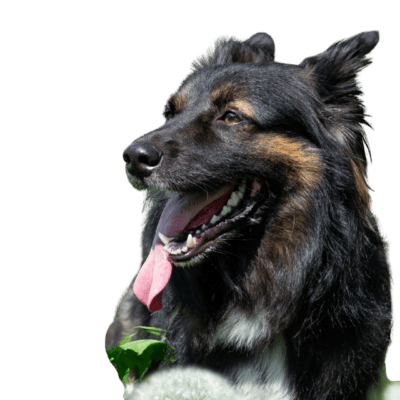
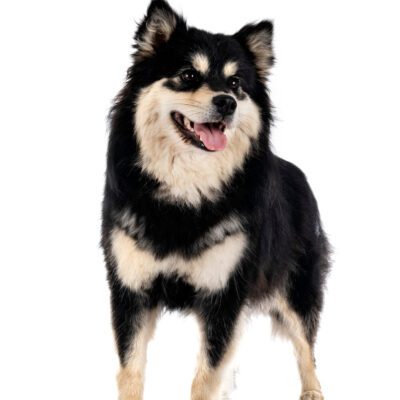
The German Spitz is an alert, cheerful, and expressive companion that loves to stay close to its people. This small to medium spitz-type dog has a plush double coat, a foxy face, and a big personality. The breed shines with quick learning, playful energy, and loyal affection, which makes it a wonderful fit for adopters who want a smart, engaging dog.
Before you adopt a German Spitz in Delaware, take time to research the breed’s grooming, exercise, and training needs. Adoption helps a dog in need while also supporting ethical placement practices, and it often provides helpful history about the dog’s behavior and health. Choosing adoption over buying reduces demand for irresponsible breeding and gives a deserving dog a fresh start.
Delaware offers several advantages for this breed. The state’s flat neighborhoods and coastal paths suit daily walks, and moderate winters pair well with the German Spitz’s insulating double coat. Hot and humid summers can challenge a thick-coated dog, so you must plan early outings, ample shade, and cooled indoor rest. Urban living near Wilmington or suburban life near Dover can work well because the breed thrives with short daily walks and frequent play, while quiet coastal communities offer calm spaces for training and enrichment.
You can avoid searching for rescues and shelters separately by using Dog Academy to browse current adoption listings in one place. You can filter for size, age, and location, read temperament notes, and contact the listing group directly from the profile. Dog Academy also offers educational guides and an adoption checklist that help you evaluate fit, prepare your home, and plan the first week with your new dog.
In Delaware, adoptable German Spitz dogs may appear through local animal shelters, regional rescues, breed-specific rescue groups, and foster-based networks. Availability can be limited because the breed is less common, so you may need to watch listings, expand your search radius, or consider adjacent regions. Some rescues arrange transport to move dogs between states when a safe, approved adopter is found, and transport is typically coordinated by the rescue with clear pickup details and health paperwork.
The process usually starts with browsing listings, submitting an application, and sharing references. Applications often ask about housing, fencing or leash plans, work schedules, and previous dog experience to ensure a safe match. If you rent, the group may request landlord approval. Many groups schedule a phone interview to discuss lifestyle and expectations, and they may ask for photos or a virtual home check to confirm readiness and safety.
Next comes a meet-and-greet to assess compatibility with all household members, including any resident pets. A formal home check may follow to review gates, trash storage, and areas where the dog will rest or exercise. Approval timelines vary, yet many adopters receive a decision within 1 to 3 weeks. If transport is involved, the rescue explains the route, the handoff plan, and any costs for fuel or required health certificates, and the group coordinates timing so the dog arrives safely and calmly.
|
How Much Does It Cost to Adopt a German Spitz in Delaware?Most adopters in Delaware can expect to pay about $250 to $500 for an adult German Spitz and about $350 to $650 for a puppy. The breed is less common in the region, which can influence fees, and puppies often cost more because of additional veterinary care and higher demand. Adoption fees typically reflect spaying or neutering, vaccinations, microchipping, and veterinary exams. Costs can rise with recent dental work, specialized diagnostics, professional training, or transport expenses when a dog travels from another area. Age, training history, medical care already provided, and local demand all affect the final fee, and groups clearly outline what the fee includes before you commit. |
How Should I Train a German Spitz?The German Spitz is bright, observant, and eager to engage, which makes training rewarding when you use short sessions and clear goals. The breed learns quickly with positive reinforcement, consistent routines, and frequent rewards. You should teach foundation cues like sit, down, stay, come, and leave it, and you should add leash skills, polite greetings, and calm settling on a mat to support life in busy Delaware neighborhoods. Common challenges include alert barking, sensitivity to strangers, and independent streaks. You can manage barking by reinforcing quiet after one or two alerts, adding enrichment toys to reduce boredom, and practicing calm exposure to everyday sounds. Early and ongoing socialization builds confidence around new people and environments. Gentle handling for grooming is essential because the double coat needs regular care. For step-by-step guidance that fits home schedules, explore Dog Academy’s online training courses, which provide clear lessons, progress tracking, and coaching that supports long-term success. |
|
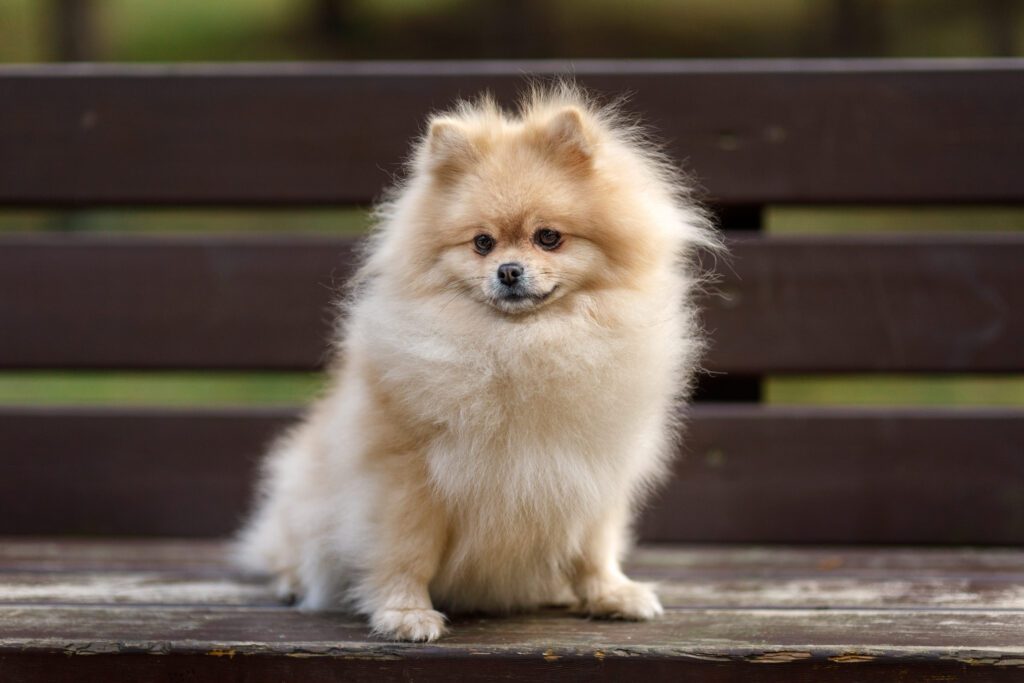
The ideal adopter enjoys daily walks, consistent routines, and interactive play. A German Spitz does best with people who value training time, mental enrichment, and regular grooming. Families in apartments or houses can succeed when they commit to exercise, structure, and companionship.
Prepare your home with safe containment, a crate or bed, food storage, and grooming tools for a double coat. Take time to learn, ask questions, and meet candidates more than once if needed. When you move at a thoughtful pace, you will adopt a German Spitz in Delaware with confidence and set the stage for a happy, healthy life together.
Introducing a new puppy to your current dog is often an exciting process, and many dogs will become fast friends and eas...
Read More
Rescue dogs can make great companions and can transform your home into something better. These dogs make great pets and ...
Read More
You should never rush to pet a dog. Even dog owners make the mistake of approaching unfamiliar dogs and petting them rig...
Read More
Puppy mill dogs are survivors who have endured extreme hardships in their lives. They have grown up in horrendous, unsan...
Read More
With their wagging tails and comforting presence, adopting a dog can add a unique touch to your life. It’s a heart...
Read More
Older dogs may have a few gray hairs around the edges, but that doesn’t mean they can’t make wonderful companions! T...
Read More