



























































































































































































Introducing a new puppy to your current dog is often an exciting process, and many dogs will become fast friends and eas...
Read MoreAdopt Me
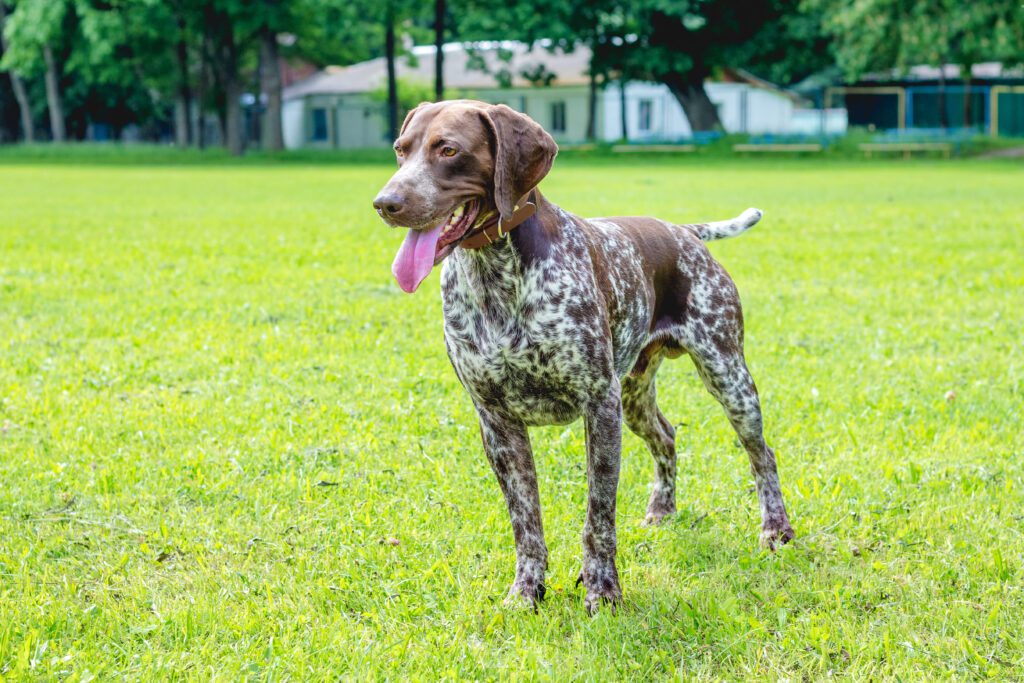


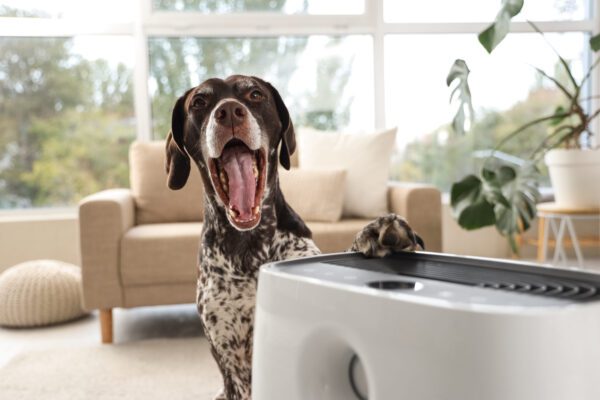
The German Shorthaired Pointer is energetic, intelligent, and affectionate. The breed bonds closely with people and thrives on purpose. A well-matched German Shorthaired Pointer brings eagerness to learn, athletic ability, and playful charm to an active home.
Research matters before you adopt a German Shorthaired Pointer in Delaware. The breed needs daily exercise, consistent training, and regular mental work. Adoption is a strong choice because it gives a deserving dog a second chance, supports ethical placement, and often provides helpful background on temperament and health. Many adult German Shorthaired Pointers already have house manners and basic skills, which can make the transition smoother.
Delaware offers flat trails, coastal access, and suburban neighborhoods that suit a high-energy sporting breed. Humid summers require careful heat management and plentiful water breaks. Cool to cold winters invite outdoor activity with proper gear and paw care. Coastal areas can be windy and sandy, which calls for routine ear and coat checks. Ticks can be active in wooded and grassy areas, so regular prevention and post-walk checks are essential.
You can avoid searching local shelters and rescues one by one by using Dog Academy to browse adoption listings in one place. The listings help you compare ages, sizes, and temperaments. Dog Academy also offers educational guides and adoption checklists that explain supplies to buy, questions to ask, and steps to take from application to homecoming.
Start by checking local animal shelters, regional rescues, and breed-specific rescue groups that serve Delaware and nearby states. Read each profile carefully. Confirm energy level, prey drive, comfort with children, and experience with other dogs or cats. Make sure the dog’s needs fit your routine, your home layout, and your exercise plans.
Most organizations follow a similar process. You browse listings, submit an application, and provide references. You may share proof of housing approval if you rent. A coordinator reviews your application and contacts you to discuss lifestyle, training plans, and veterinary care. Meet-and-greets usually take place at a facility or a foster home. Bring all household members so everyone can interact with the dog. Many groups require a home check, which can be in person or virtual, to confirm safe fencing, secure storage for chemicals, and a setup for feeding and sleeping. Approval timelines vary, but many placements take 1 to 3 weeks after a successful meet-and-greet.
Be open to dogs outside your immediate area. Rescues sometimes arrange transport to move dogs between locations when local demand is lower than demand in another region. Transport is often arranged by rescues to move dogs between states using volunteer drivers or licensed carriers. Health certificates and vaccination records usually accompany transported dogs to ensure safe travel. Clear communication about pickup times, handoff locations, and crate requirements keeps the process smooth.
Throughout the process, keep the breed’s needs in mind. German Shorthaired Pointers require daily aerobic exercise, reliable recall, and steady mental work. A realistic plan for training, enrichment, and veterinary care builds confidence for both the adopter and the placement team.
|
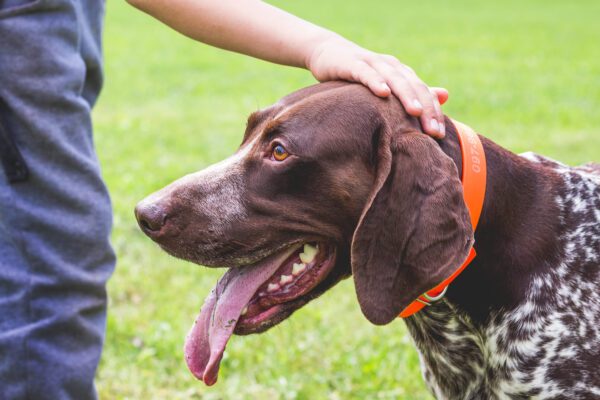
How Much Does It Cost to Adopt a German Shorthaired Pointer in Delaware?In Delaware, typical adoption fees for an adult German Shorthaired Pointer range from $250 to $500 through local shelters and regional rescues. Puppies often cost more due to higher demand and increased veterinary care, so expect $400 to $650 for most puppies. Senior dogs can be lower, often between $150 and $300, because organizations aim to encourage placements for older companions. Fees usually include spaying or neutering, vaccinations, microchipping, and veterinary exams. Costs also reflect heartworm testing, preventives, and any corrective procedures completed before adoption. Several factors affect price. Age influences demand and veterinary costs. Completed training increases value because it reduces early effort for the adopter. Medical history can raise costs if the dog received treatment before placement. Local demand for sporting breeds in the Mid-Atlantic region can also shift pricing within these ranges. |
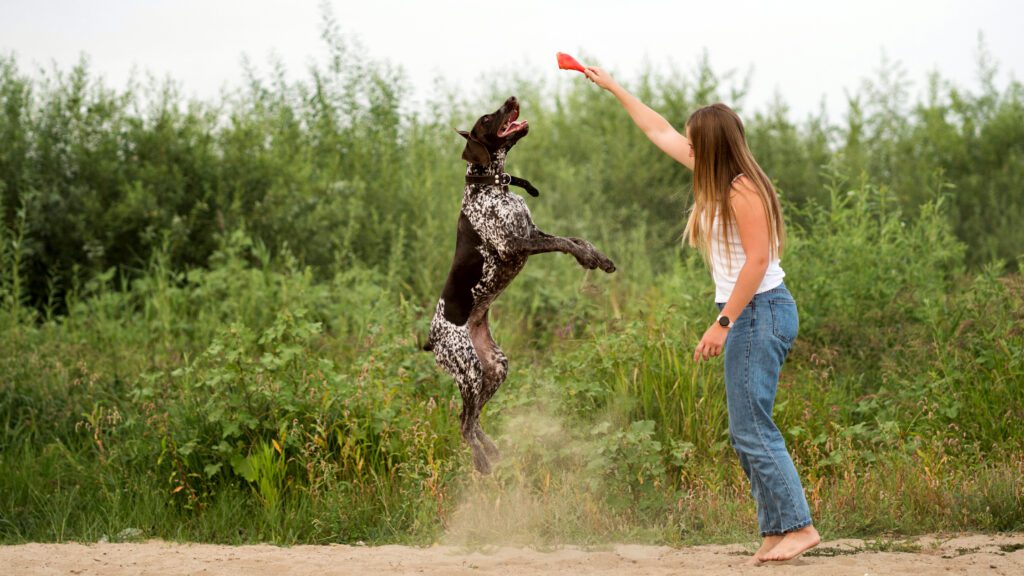
How Should I Train a German Shorthaired Pointer?German Shorthaired Pointers learn quickly and love to work. Consistent training with clear structure helps channel energy into good habits. Positive reinforcement with food, toys, and praise keeps motivation high. Short, frequent sessions build focus. Early socialization creates confidence in new places and around new people. Common challenges include impulsive chasing, distracted sniffing, and restless energy. Focus on reliable recall, loose-leash walking, and calm settling on a mat. Provide daily aerobic exercise for 60 to 90 minutes, which can include brisk walks, jogging, structured fetch, or supervised swimming. Add mental work through scent games, puzzle feeders, and task-based obedience. Crate training and a predictable routine support rest and recovery between activities. For step-by-step guidance, explore Dog Academy’s online training courses. Courses cover foundation skills, impulse control, recall, leash manners, and enrichment plans tailored to energetic sporting breeds. |
|
The ideal adopter enjoys daily activity, values structure, and has time for consistent training. A fenced yard helps with safe exercise, though committed walkers in urban or suburban areas can also meet needs with a reliable routine. A plan for veterinary care, grooming, and enrichment ensures a smooth start.
Take your time to adopt a German Shorthaired Pointer in Delaware. Review listings carefully, ask detailed questions, and prepare your home before pickup. Use Dog Academy’s adoption listings and educational resources to stay organized and confident. The right match brings years of adventure, affection, and partnership.

Introducing a new puppy to your current dog is often an exciting process, and many dogs will become fast friends and eas...
Read More
Rescue dogs can make great companions and can transform your home into something better. These dogs make great pets and ...
Read More
You should never rush to pet a dog. Even dog owners make the mistake of approaching unfamiliar dogs and petting them rig...
Read More
Puppy mill dogs are survivors who have endured extreme hardships in their lives. They have grown up in horrendous, unsan...
Read More
With their wagging tails and comforting presence, adopting a dog can add a unique touch to your life. It’s a heart...
Read More
Older dogs may have a few gray hairs around the edges, but that doesn’t mean they can’t make wonderful companions! T...
Read More