
























































































































































































Introducing a new puppy to your current dog is often an exciting process, and many dogs will become fast friends and eas...
Read MoreAdopt Me
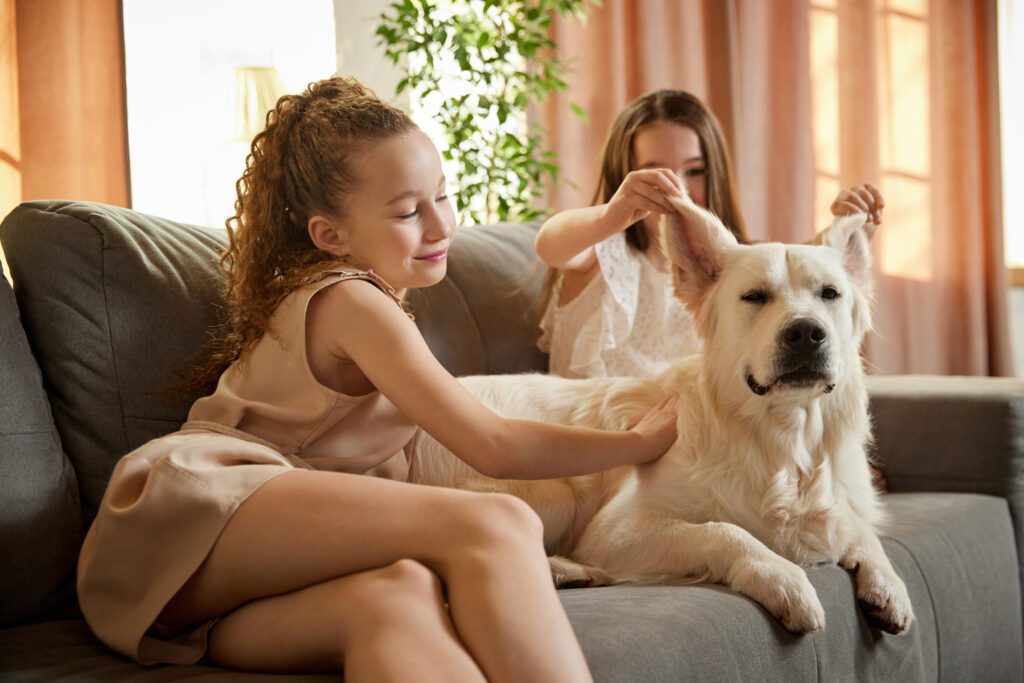
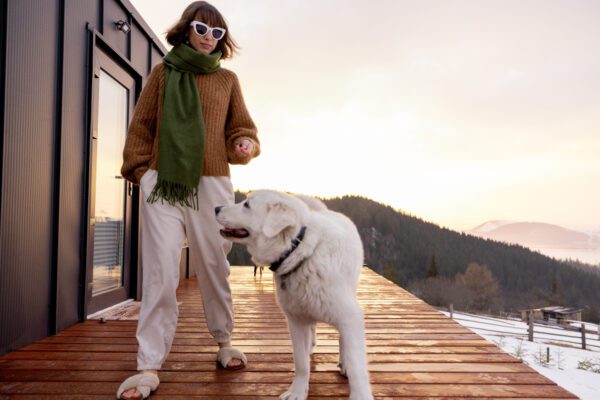
The Akbash is a calm, confident livestock guardian dog known for steady loyalty and watchful instincts. This large, white-coated breed bonds deeply with family and stays composed under pressure. The Akbash is independent by nature, which makes the dog a thoughtful decision-maker and a reliable presence around property and loved ones.
It is important to research carefully before you adopt a Akbash in Delaware. Adoption allows you to match a known temperament to your lifestyle. Adoption also gives a dog a second chance and supports ethical placement. Delaware’s climate features hot, humid summers and chilly winters. An Akbash manages winter conditions well because of a dense double coat. The same coat needs shade, fresh water, and indoor rest during summer afternoons. Delaware’s flat coastal plain and mix of suburban neighborhoods and farm properties can suit this breed when a secure fence, structured exercise, and thoughtful socialization are in place.
Adoption is often preferable to buying because you receive transparency on behavior and medical history, and you support responsible rehoming. Many adult Akbash dogs arrive with some training and house manners. Adoption also includes core veterinary care, which lowers your initial costs and helps your new dog start strong.
You can avoid searching rescues and shelters separately by using the adoption listings at Dog Academy. You can browse available Akbash dogs, filter by location and age, and read profiles that describe needs and temperament. You can also find educational guides and adoption checklists that help you prepare your home and plan your first week.
Because the Akbash is a rare breed, you may need to check local animal shelters, regional rescues, and breed-specific rescue groups. If a suitable dog is outside Delaware, rescues often arrange transport between locations. Transport is a coordinated trip that moves a dog safely using volunteers or licensed carriers, and the rescue schedules timing, health certificates, and handoffs.
The process usually starts by browsing listings and selecting dogs that match your home, yard, and experience level. You then submit an application that explains your daily schedule, training plan, fencing, and veterinary care history. Applications often request landlord approval when you rent and personal references that confirm your ability to provide stable care.
Approved applicants are invited to a meet-and-greet at a shelter, at a foster home, or at a neutral public space. You should bring family members and any resident dogs to check compatibility. Many groups complete a home check, which is a quick visit that confirms safe fencing, secure gates, and a calm space for decompression. Timelines vary by group, but most approvals take 1 to 3 weeks based on background checks, scheduling, and any needed transport. Some groups offer a foster-to-adopt period, which is a short trial that allows you to confirm a good fit before finalizing. You sign an adoption contract and pay the fee at pickup or delivery.
|
How Much Does It Cost to Adopt a Akbash in Delaware?In Delaware, expect adoption fees for an Akbash to range from $250 to $450 for most adults and from $350 to $600 for puppies. Rare color is not a factor because Akbash dogs are typically white. Fees increase when demand is high or when a dog has completed advanced training. Costs reflect the care already provided, which usually includes spaying or neutering, vaccinations, microchipping, and veterinary exams. Many groups also provide deworming and heartworm testing. Fees can rise if the dog required dental work, orthopedic care, or extended behavioral support. Senior dogs and bonded pairs may be discounted to encourage the right placement. |
How Should I Train a Akbash?The Akbash is intelligent and thoughtful, yet independent. The breed works by making decisions without constant human direction, which means the dog responds best to clear goals and meaningful rewards. Positive reinforcement builds trust and creates reliable behavior without conflict. Short sessions, high-value food rewards, and calm handling work far better than force. Focus on early socialization, leash manners, and a strong recall in low-distraction areas before you add difficulty. Teach impulse control with cues like stay, place, and leave it. Supervise introductions to visitors and new dogs, since guardian instincts can create protective behavior. A secure fence, a long line for practice, and daily mental work keep the Akbash balanced and content. For structured guidance tailored to guardian breeds, explore Dog Academy’s online training courses, which cover foundation skills, polite greetings, and calm behavior around boundaries. |

|
The ideal adopter for an Akbash is an experienced owner with a secure yard, a steady routine, and time for training and enrichment. A home that values quiet confidence and patient leadership suits this breed well. Children should learn respectful handling, and resident pets should be matched carefully to temperament.
Preparation leads to success. Set up safe confinement, confirm fencing, and plan a calm first week that limits visitors and focuses on bonding. Take your time, ask questions, and let the process work for you. When you are ready to adopt a Akbash in Delaware, use Dog Academy to research, compare options, and find a dog that fits your home for the long term.

Introducing a new puppy to your current dog is often an exciting process, and many dogs will become fast friends and eas...
Read More
Rescue dogs can make great companions and can transform your home into something better. These dogs make great pets and ...
Read More
You should never rush to pet a dog. Even dog owners make the mistake of approaching unfamiliar dogs and petting them rig...
Read More
Puppy mill dogs are survivors who have endured extreme hardships in their lives. They have grown up in horrendous, unsan...
Read More
With their wagging tails and comforting presence, adopting a dog can add a unique touch to your life. It’s a heart...
Read More
Older dogs may have a few gray hairs around the edges, but that doesn’t mean they can’t make wonderful companions! T...
Read More