





















































































































Introducing a new puppy to your current dog is often an exciting process, and many dogs will become fast friends and eas...
Read MoreAdopt Me

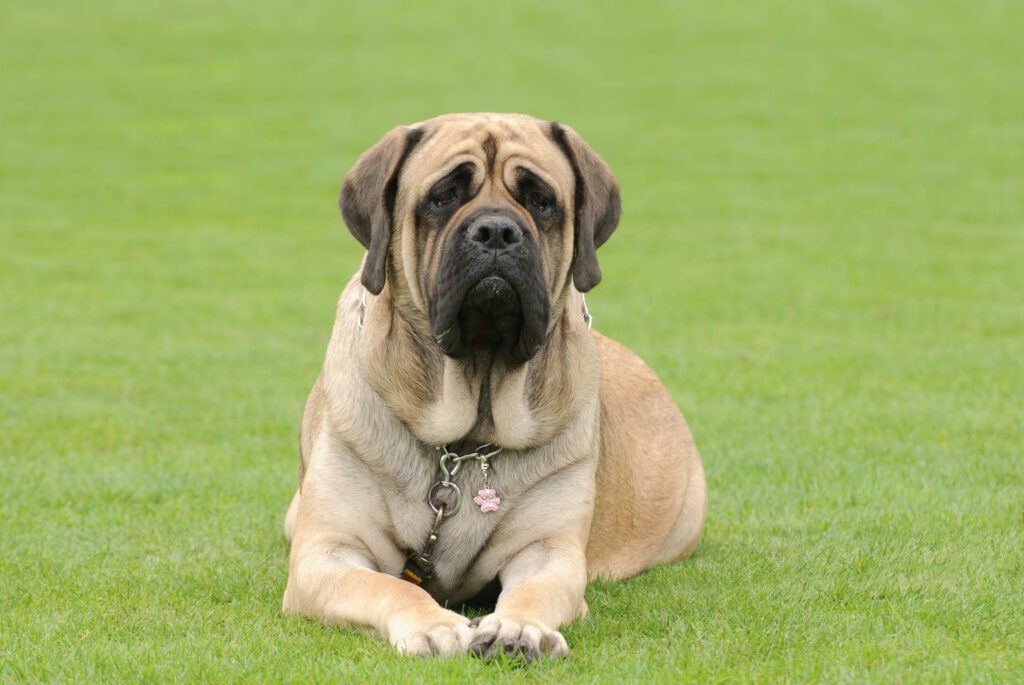



The English Mastiff is calm, loyal, and deeply devoted. Many people love this breed for its gentle nature with family and its steady confidence around the home. A Mastiff prefers a relaxed routine, close companionship, and clear guidance. Careful research helps you match this giant breed’s needs with your daily life before you move forward with adoption.
Adoption gives a deserving dog a second chance while supporting responsible animal welfare. It also often includes essential veterinary care, which can help you start strong. Buying can feel faster, but adoption typically delivers better transparency about temperament and health history while lowering your upfront costs.
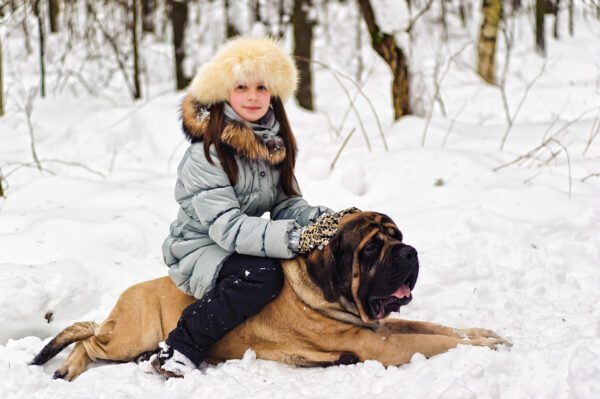
New Hampshire offers four distinct seasons with cold winters and warm, humid summers. An English Mastiff handles winter cold better than summer heat, but the breed still needs short outdoor breaks when temperatures drop and careful heat management when humidity rises. Forested trails and suburban neighborhoods suit steady walks, while tight apartments and many stairs can challenge a large, heavy dog. A Mastiff thrives when a household provides moderate exercise, climate-aware care, and a quiet place to rest.
You can avoid searching shelters and rescues one by one by starting with adoption listings from Dog Academy. You can browse English Mastiffs available in and around New Hampshire, filter by age, and contact the group that is caring for the dog. You can also use Dog Academy to access educational guides and adoption checklists that explain paperwork, timelines, and preparation.
Most adopters begin by browsing listings from local animal shelters, regional rescues, and breed-specific rescue groups. Listings describe age, size, health, and temperament in plain language. You should read carefully and confirm details with the placement coordinator. Ask about energy level, prior training, medical records, and history with children or other pets so you understand how the dog may fit your home.
Once you find a good match, you submit an application that covers your schedule, home setup, fencing or leash plans, and veterinary references. Many groups ask for landlord permission if you rent. A meet-and-greet follows, which allows your family and resident pets to interact with the Mastiff in a controlled setting. A home check often comes next. A volunteer visits your home or conducts a virtual walk-through to confirm safe containment, adequate space, secure storage of food and medications, and a plan for managing stairs.
Approval timelines vary by group and by the dog’s needs. Most approvals in New Hampshire take 5 to 14 days after a successful meet-and-greet and home check. Some rescues offer adoption counseling to review feeding, crate setup, and the first 2 weeks at home. If the right Mastiff is located outside your area, rescues sometimes arrange transport to move dogs between states. Transport is a coordinated system that uses volunteer drivers or licensed carriers, requires a valid health certificate, and schedules handoffs along a planned route. You usually meet the transport at a set location and sign final paperwork when the dog arrives.
|
How Much Does It Cost to Adopt a English Mastiff in New Hampshire?Most adopters in New Hampshire should expect an adoption fee between $300 and $600 for an English Mastiff. Puppies may cost $450 to $700 due to higher demand and added veterinary care, while seniors may range from $150 to $350 to encourage placement. Fees reflect the costs of spaying or neutering, vaccinations, microchipping, and veterinary exams. Age, training, medical care, and regional demand influence final pricing. A dog with current orthopedic screenings, a recent dental, or specialized medications may sit at the higher end. A dog with basic manners or crate training can also cost more because that preparation saves you time and money. Groups that invest in transport into New Hampshire may add modest fees to cover safe travel. |
How Should I Train a English Mastiff?The English Mastiff is intelligent and eager to please, yet the breed matures slowly. Short sessions, patient guidance, and consistent routines work best. Use positive reinforcement with food rewards and praise to build trust and to motivate a dog that can shut down under harsh handling. Focus on name recognition, settling on a mat, loose-leash walking, impulse control, and polite greetings. Early socialization with calm, friendly dogs and steady exposure to new environments helps a Mastiff stay confident and relaxed. Teach solid leash skills and door manners because strength and size can quickly outweigh enthusiasm. Build comfort with body handling for grooming and veterinary care. Add reliable cues for come, leave it, and stay to support safety in busy areas. Crate training and house training help a new dog decompress and learn the household rhythm. If you want step-by-step structure, explore Dog Academy’s online training courses for giant-breed foundations, leash manners, and real-life skills you can practice at home. |

|
An English Mastiff fits best with an adopter who values calm routines, has space for a large bed and steady indoor time, and can manage a powerful dog with kindness and confidence. A fenced yard is helpful, but daily structured walks and clear boundaries matter more than acreage. A realistic budget for food, training, and preventive veterinary care keeps your dog healthy and comfortable.
Take time to learn, to prepare your home, and to meet more than one dog. The right match sets your Mastiff and your family up for long-term success. Start your search with Dog Academy listings, gather your supplies, and move at a pace that feels thoughtful and informed.
Introducing a new puppy to your current dog is often an exciting process, and many dogs will become fast friends and eas...
Read More
Rescue dogs can make great companions and can transform your home into something better. These dogs make great pets and ...
Read More
You should never rush to pet a dog. Even dog owners make the mistake of approaching unfamiliar dogs and petting them rig...
Read More
Puppy mill dogs are survivors who have endured extreme hardships in their lives. They have grown up in horrendous, unsan...
Read More
With their wagging tails and comforting presence, adopting a dog can add a unique touch to your life. It’s a heart...
Read More
Older dogs may have a few gray hairs around the edges, but that doesn’t mean they can’t make wonderful companions! T...
Read More