
























































































































































































Introducing a new puppy to your current dog is often an exciting process, and many dogs will become fast friends and eas...
Read MoreAdopt Me

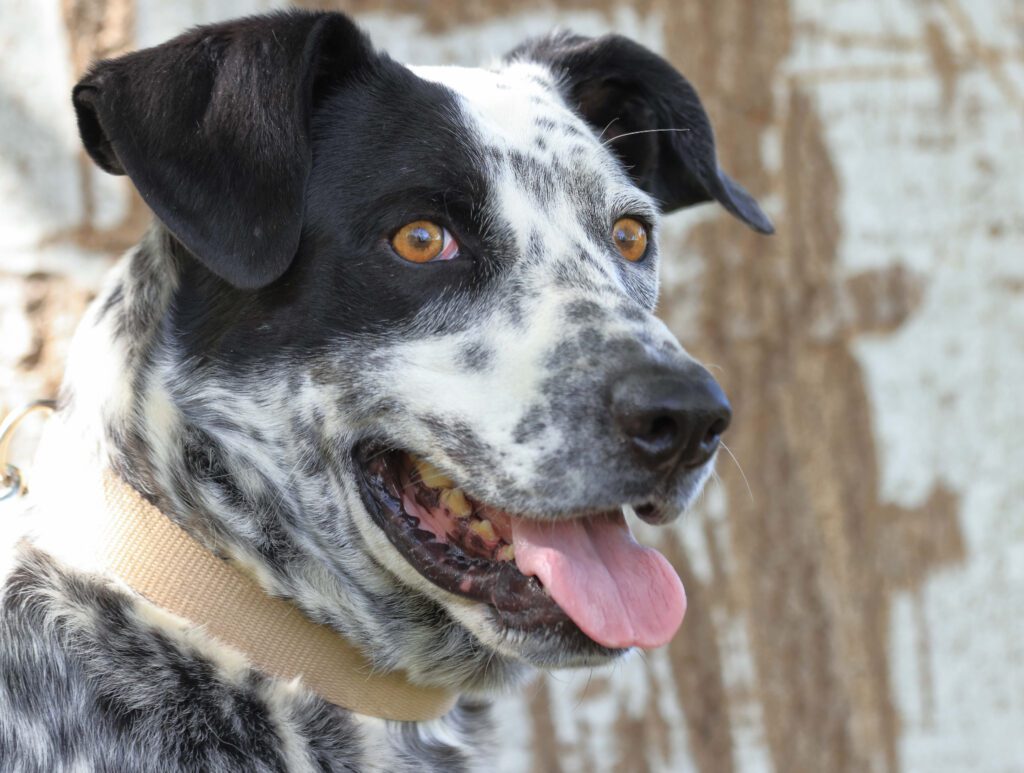


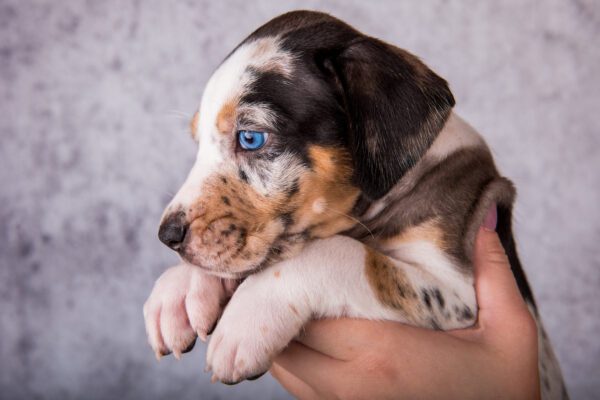
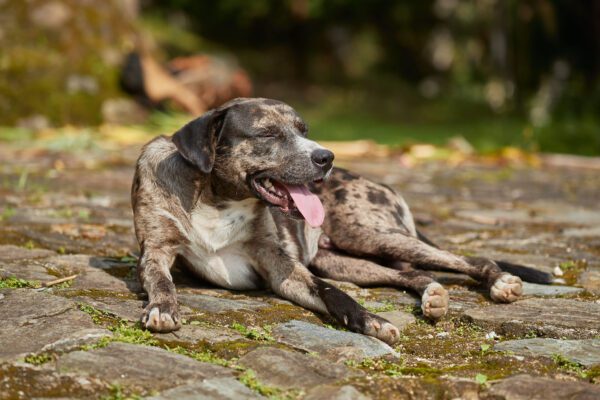
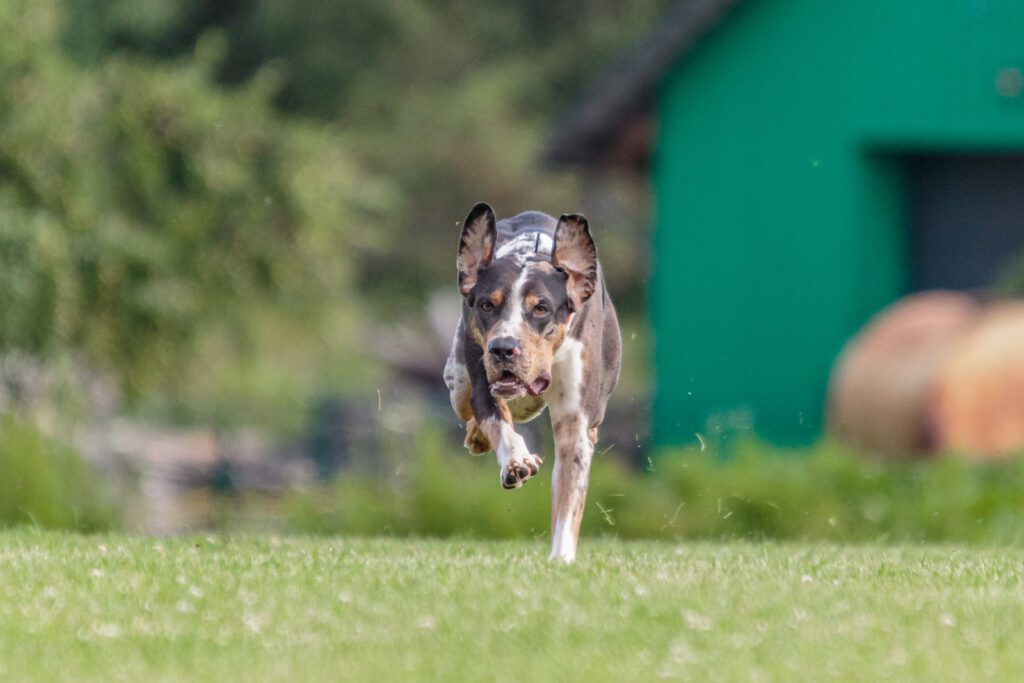
The Catahoula Leopard Dog is energetic, smart, and devoted. This breed thrives with daily jobs, problem solving, and close partnership with an engaged owner. Many people love the striking merle coats, glassy eyes, and athletic build, yet the real appeal is a tireless work ethic matched with deep loyalty. Thoughtful research helps you decide if the Catahoula’s drive and independence fit your routine and your goals.
Adoption is a responsible path because it gives a dog a new start and supports lifesaving work. You also receive insight into behavior and health from the shelter or rescue team. New Hampshire can suit this breed well. The state offers forests, mountains, and lake trails that turn exercise into adventure. The short coat handles summer hikes, while winter outings call for warm gear and paw protection due to cold, wind, snow, and road salt.
Success in New Hampshire depends on lifestyle and preparation. A Catahoula Leopard Dog needs daily outlets, secure containment, and structured training. Active households that enjoy hiking, running, or snowshoeing often provide the right rhythm. Urban living can work when owners plan for vigorous exercise, mental enrichment, and calm indoor manners every single day.
You can skip searching shelters and rescues one by one by starting with Dog Academy. The adoption listings let you browse Catahoulas across local animal shelters, regional rescues, and breed-specific rescue groups in one place. You can also find educational guides and adoption checklists that explain each step and help you prepare your home and your schedule.
Begin by browsing listings and reading each profile carefully. Look for age, size, temperament notes, energy level, and any training or medical updates. If a dog seems like a good match, complete the application on the listing. Applications usually ask for identification, references, landlord approval if you rent, and details about your routine and experience with high-drive breeds.
After the application, many organizations arrange a meet-and-greet. Meetings can happen at a shelter, in a foster home, or in a neutral public space. A home check often follows. A home check is a quick review to confirm safe containment, sensible traffic flow, and appropriate supplies. Some groups use virtual home checks with video calls, while others visit in person. Timelines vary, though most approvals take 3 to 14 days based on staffing, reference checks, and scheduling.
Rescues sometimes arrange transport between locations to move dogs from high-intake areas to approved adopters. Transport is coordinated travel by volunteers or licensed carriers who move dogs on scheduled routes with required health certificates. If transport is involved, you receive clear pickup instructions and an arrival timeline. Final steps include a contract, the adoption fee, and a take-home plan that covers diet, routine, and any follow-up training resources.
|
How Much Does It Cost to Adopt a Catahoula Leopard Dog in New Hampshire?In New Hampshire, most adopters pay about $325 to $575 for an adult Catahoula Leopard Dog. Puppies usually range from $450 to $725. Prices trend higher when the dog has completed advanced medical care or professional training. Fees may also rise when demand outpaces supply for this less common breed in New England. Adoption fees typically include spaying or neutering, vaccinations, microchipping, and veterinary exams. Costs also reflect heartworm testing, deworming, preventatives, and behavior assessments. Transport can add to the total when a dog travels from another region. Age, medical history, training, and current interest in the breed account for most price differences within the state. |
How Should I Train a Catahoula Leopard Dog?The Catahoula Leopard Dog is highly intelligent and eager to work. This dog learns fast when you keep sessions short, focused, and rewarding. Consistent positive reinforcement builds engagement and trust. Use clear markers, high-value rewards, and frequent breaks. Teach reliable foundation skills that matter most in New Hampshire, including recall through distractions, loose-leash walking on busy trails, and calm settling in the home. Common challenges include strong prey drive, vocal alerts, and pushy behavior when the dog feels underchallenged. Daily structure prevents problems. Provide 60 to 90 minutes of purposeful exercise and mental work, split across the day. Mix brisk walks, hikes on secure trails, nosework, tracking games, and puzzle feeding. Early socialization, crate training, and impulse control practice help the dog switch from high energy outside to relaxed behavior inside. For step-by-step guidance, explore Dog Academy’s online training courses designed for real-life recall, leash manners, and enrichment. |
|
The ideal adopter enjoys outdoor time, values structure, and commits to daily training. A fenced yard helps, though a thoughtful routine can meet needs without one. Families with older children who understand dog body language tend to do well. Households with small pets should plan careful management due to the breed’s prey drive.
Take time to research, prepare your home, and set a training plan before you bring your dog home. Move at a steady pace and choose the match that fits your lifestyle rather than the first available option. With patience and preparation, you can adopt a Catahoula Leopard Dog in New Hampshire and build a rewarding partnership that lasts for years.

Introducing a new puppy to your current dog is often an exciting process, and many dogs will become fast friends and eas...
Read More
Rescue dogs can make great companions and can transform your home into something better. These dogs make great pets and ...
Read More
You should never rush to pet a dog. Even dog owners make the mistake of approaching unfamiliar dogs and petting them rig...
Read More
Puppy mill dogs are survivors who have endured extreme hardships in their lives. They have grown up in horrendous, unsan...
Read More
With their wagging tails and comforting presence, adopting a dog can add a unique touch to your life. It’s a heart...
Read More
Older dogs may have a few gray hairs around the edges, but that doesn’t mean they can’t make wonderful companions! T...
Read More