

























































































































































































Introducing a new puppy to your current dog is often an exciting process, and many dogs will become fast friends and eas...
Read MoreAdopt Me





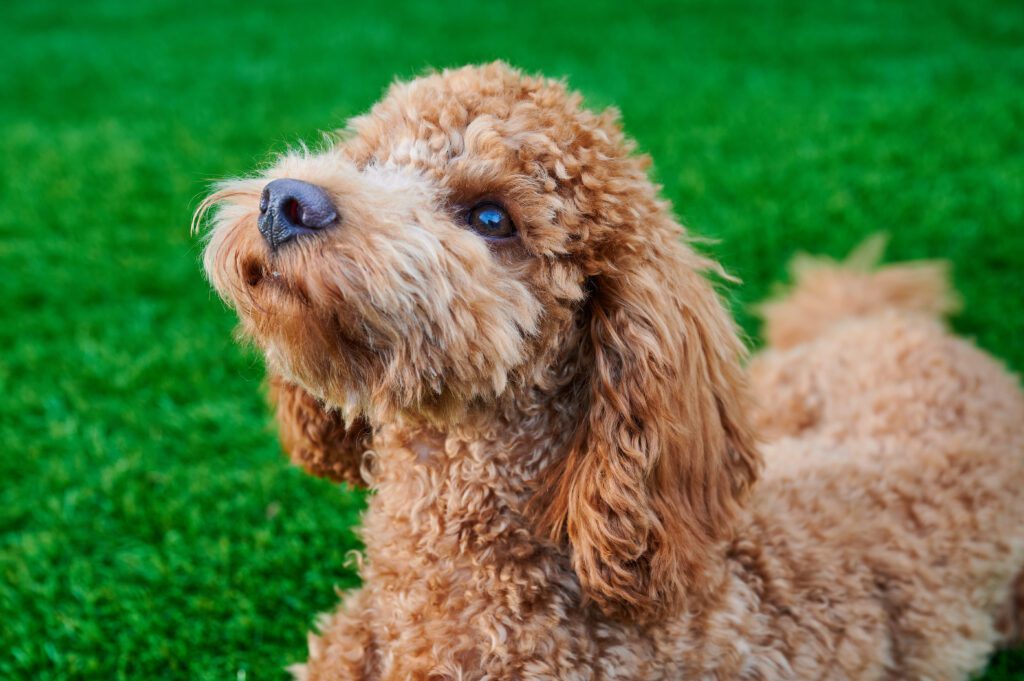
Miniature Poodles are bright, affectionate, and eager to learn. They form strong bonds with their people and thrive on daily interaction. Their small size and low-shedding coat make them a good fit for allergy-sensitive households and for homes that value cleanliness. They shine in training games, brisk walks, and cozy downtime with the family.
Thorough research helps you choose a dog that fits your routine. Miniature Poodles need regular grooming, daily exercise, and plenty of mental enrichment. Adoption gives a deserving dog a home and often includes essential veterinary care, which adds safety and value. Many adopters also appreciate that rescues share behavior notes that help set realistic expectations.
New Hampshire offers forest trails, quiet neighborhoods, and four true seasons. Cold winters require a warm coat and limited exposure during frigid spells because Miniature Poodles have a single, curly coat. Spring can be muddy, so plan for paw care and tick prevention. Summers can feel humid, so offer shade and water on walks. The breed adapts well to apartments and single-family homes as long as daily exercise and training stay consistent.
You can avoid searching local rescues and shelters one by one by using Dog Academy to browse statewide adoption listings. You can view Miniature Poodles available through local animal shelters, regional rescues, and breed-specific rescue groups in a single place. Dog Academy also provides educational guides and adoption checklists that help you prepare for applications, interviews, and the first weeks at home.
Start by browsing listings and reading full biographies. Look for notes on temperament, energy level, grooming tolerance, and any medical needs. Ask clear questions about house training, crate skills, comfort with children, and compatibility with other pets. Many groups rely on foster homes, and foster feedback often gives a realistic picture of day-to-day behavior.
Submit an application that shares your schedule, housing details, and care plan. Most groups request personal references, landlord approval when you rent, and a current veterinary reference if you have pets. In New Hampshire, application reviews usually take 2 to 7 days depending on volunteer availability and the number of applicants.
Approved applicants are invited to a meet-and-greet at a shelter, an adoption event, or a foster home. Bring all household members and any resident dogs when allowed, because groups want to see a safe match. Some organizations complete a home check, which can be virtual or in person, to confirm secure fencing, safe indoor spaces, and a plan for daily care.
After a successful meeting, you sign an adoption contract, pay the fee, and schedule pick-up. If the dog is located in another region, rescues sometimes arrange transport to move dogs between locations. Transport is usually coordinated by trained volunteers or licensed carriers who move dogs on scheduled routes to a local meeting point. Final approval timelines vary, but many adoptions in New Hampshire finalize within 3 to 14 days after the meet-and-greet.
|
How Much Does It Cost to Adopt a Miniature Poodle in New Hampshire?A realistic adoption fee for a Miniature Poodle in New Hampshire is usually $350 to $650. This estimate reflects the breed’s high demand in New England and the veterinary care that reputable groups provide. Puppies and highly social adults tend to be priced near the top of the range, while seniors or dogs with ongoing medical needs may be lower when supported by sponsorships. Fees typically cover spaying or neutering, vaccinations, microchipping, and veterinary exams. Costs can increase when the dog receives dental cleanings, specialized medications, or professional grooming before adoption. Age, training history, medical care, and local demand all influence final pricing. |
How Should I Train a Miniature Poodle?Miniature Poodles are exceptionally intelligent and respond quickly to positive reinforcement. Use short, upbeat sessions with clear markers, frequent rewards, and steady routines. Teach foundational skills like sit, down, stay, recall, loose leash walking, and settle on a mat. Rotate puzzle toys, scent games, and trick training to keep their active minds engaged. Common challenges include sensitivity to abrupt changes, vocalizing when bored, and difficulty settling when under-exercised. Prevent problems by meeting daily exercise needs and by practicing calm behaviors throughout the day. Introduce grooming early because the coat requires regular care. Teach cooperative care cues for brushing, ear cleaning, nail trimming, and body handling so your dog stays comfortable during salon visits and home maintenance. For structured guidance, explore Dog Academy’s online training courses. You can build a personalized plan that covers life skills, leash manners, reliable recall, and enrichment strategies that suit a smart, energetic Miniature Poodle. |
|
The ideal adopter enjoys daily walks, interactive training, and a consistent grooming routine. Miniature Poodles fit well with individuals, couples, and families who value a bright companion that loves to participate in everyday life. A predictable schedule and clear boundaries help this sensitive breed feel secure.
Set yourself up for success by preparing your home, budgeting for grooming and veterinary care, and planning time for training and enrichment. Take your time, ask detailed questions, and lean on trusted resources. With patience and the right preparation, you can adopt a Miniature Poodle in New Hampshire and welcome a loyal partner for years to come.

Introducing a new puppy to your current dog is often an exciting process, and many dogs will become fast friends and eas...
Read More
Rescue dogs can make great companions and can transform your home into something better. These dogs make great pets and ...
Read More
You should never rush to pet a dog. Even dog owners make the mistake of approaching unfamiliar dogs and petting them rig...
Read More
Puppy mill dogs are survivors who have endured extreme hardships in their lives. They have grown up in horrendous, unsan...
Read More
With their wagging tails and comforting presence, adopting a dog can add a unique touch to your life. It’s a heart...
Read More
Older dogs may have a few gray hairs around the edges, but that doesn’t mean they can’t make wonderful companions! T...
Read More