

























































































































































































Introducing a new puppy to your current dog is often an exciting process, and many dogs will become fast friends and eas...
Read MoreAdopt Me

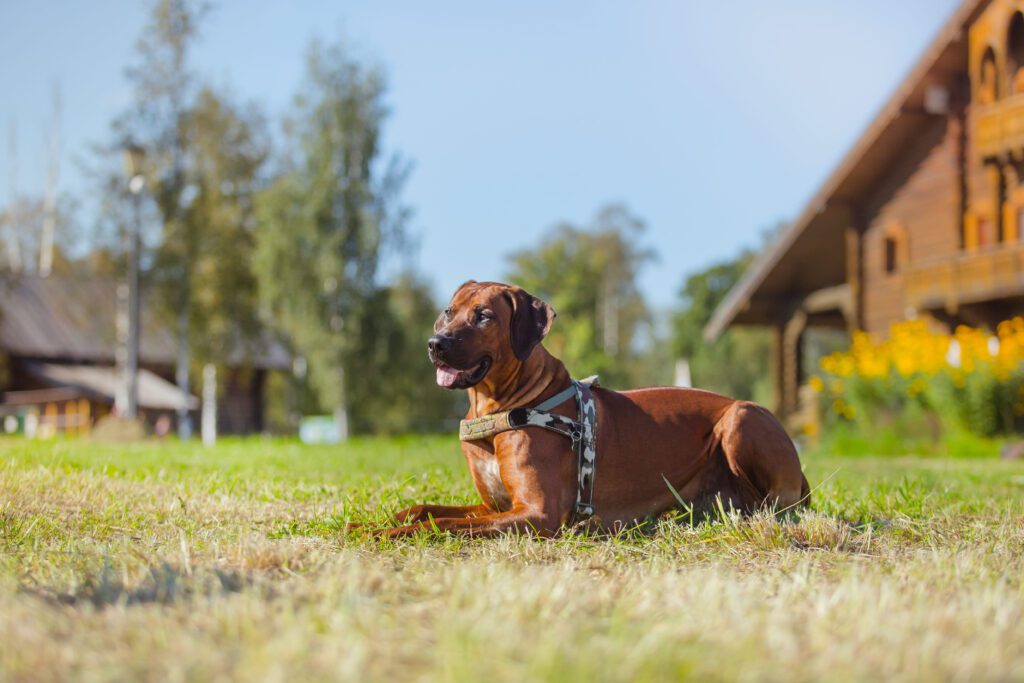



Rhodesian Ridgebacks are athletic, loyal, and thoughtful dogs that bond deeply with their families. They are confident and calm at home, and they stay alert and responsive outdoors. Their short coat is low maintenance, and their strength and stamina make them excellent companions for hikers and runners who want a steady partner.
Thoughtful research helps you match this breed’s needs with your lifestyle. Adoption is a smart path because adoptable dogs often arrive with transparent behavior notes and recent veterinary care. Adoption also opens space for another dog in need and supports responsible rehoming. You can find puppies, young adults, and seniors, which allows you to choose the energy level and training history that fit your home.
New Hampshire offers forests, lakes, and mountain trails that suit an active Ridgeback. Winters are long and cold, and this breed’s short coat needs extra protection. A warm jacket, paw balm, and limited exposure on frigid days keep a Ridgeback comfortable. City living in New Hampshire can work when you plan daily exercise and structured training. Rural life demands reliable recall and leash manners because wildlife can trigger a strong chase instinct.
You can avoid searching shelters and rescues one by one by using Dog Academy to browse Rhodesian Ridgeback adoption listings across New Hampshire and nearby regions. You can also use Dog Academy for educational guides and a clear adoption checklist so you know exactly what to prepare before you apply.
You can find adoptable Ridgebacks through local animal shelters, regional rescues, breed-specific rescue groups, and foster networks. Start by reading full bios, medical notes, and behavior summaries. Filter by age, size, and compatibility with children, dogs, or cats. Make a shortlist of dogs that match your activity level and experience with large breeds.
Most groups use an application that asks about your schedule, home setup, fencing or containment, landlord or association approvals, and your veterinary and personal references. Provide accurate information and attach documents that confirm permission to have a large dog. Clear answers help an adoption team understand how you plan exercise, training, and supervision.
Next, you schedule a meet-and-greet. Bring household members and resident dogs so everyone can interact in a safe and calm space. Many organizations also complete a home check, which can be virtual or in person, to confirm safety measures such as secure gates, safe storage of medications, and an area for rest and feeding. Approval timelines vary by the speed of reference checks and scheduling. Many adoptions finalize in 1 to 3 weeks when all steps move smoothly. Some groups offer a foster-to-adopt period so you can confirm fit before finalizing.
When a Ridgeback is located outside your area, transport is often arranged by rescues to move dogs between states. Coordinators schedule ground or flight transport, secure health certificates from a veterinarian, and set pickup locations that fit the route. Adopters typically pay a modest transport fee and agree to a specific pickup time to keep the dog’s travel stress low.

|
How Much Does It Cost to Adopt a Rhodesian Ridgeback in New Hampshire?In New Hampshire, expect typical adoption fees of $300 to $600 for adult Rhodesian Ridgebacks and $450 to $750 for puppies. New England veterinary costs and demand for large active breeds influence these figures, and breed-specific rescues may fall on the higher end when they include extensive medical or training work. Fees usually include spaying or neutering, vaccinations, microchipping, and veterinary exams. Costs also reflect age, training, medical care, and demand. A young dog with recent training and full preventive care may cost more than a senior with known medical needs. If transport is used, some groups add a separate transport fee of about $75 to $200 to cover travel and health certificates. |
How Should I Train a Rhodesian Ridgeback?Rhodesian Ridgebacks are intelligent and observant, and they learn quickly when training stays positive and consistent. Short sessions with food rewards, toys, and praise keep them engaged. Start with attention, name response, and calm check-ins so your dog chooses you over environmental distractions. Common challenges include a strong prey drive, pulling on leash, and selective recall. Build reliable recall with a long line in safe open spaces, and reward every return with high-value treats. Practice loose-leash walking, impulse control at doorways, and polite greetings to prevent jumping. Teach a solid settle on a mat to create an off switch after exercise. Controlled exposure to new people, calm dogs, and varied surfaces builds confidence without overwhelming your dog. You can follow structured, step-by-step lessons through Dog Academy’s online training courses. You will find foundations for obedience, recall, leash manners, crate training, and enrichment that channel this breed’s athletic energy into good choices at home and on the trail. |

|
The ideal adopter enjoys daily activity, values structure, and feels comfortable guiding a strong and independent dog. A secure yard is helpful, and a consistent routine for exercise, training, and rest supports calm behavior. Families with older children and adults who like hiking or running often find a great match with this breed.
Take time to research, budget for training and veterinary care, and set up your home before you apply. When you are ready, browse available dogs through Dog Academy, review the adoption checklist, and move at a pace that respects your needs and the dog’s well-being. Careful preparation today helps you welcome a confident and happy Rhodesian Ridgeback into your New Hampshire life.

Introducing a new puppy to your current dog is often an exciting process, and many dogs will become fast friends and eas...
Read More
Rescue dogs can make great companions and can transform your home into something better. These dogs make great pets and ...
Read More
You should never rush to pet a dog. Even dog owners make the mistake of approaching unfamiliar dogs and petting them rig...
Read More
Puppy mill dogs are survivors who have endured extreme hardships in their lives. They have grown up in horrendous, unsan...
Read More
With their wagging tails and comforting presence, adopting a dog can add a unique touch to your life. It’s a heart...
Read More
Older dogs may have a few gray hairs around the edges, but that doesn’t mean they can’t make wonderful companions! T...
Read More