


















































































































































































Introducing a new puppy to your current dog is often an exciting process, and many dogs will become fast friends and eas...
Read MoreAdopt Me

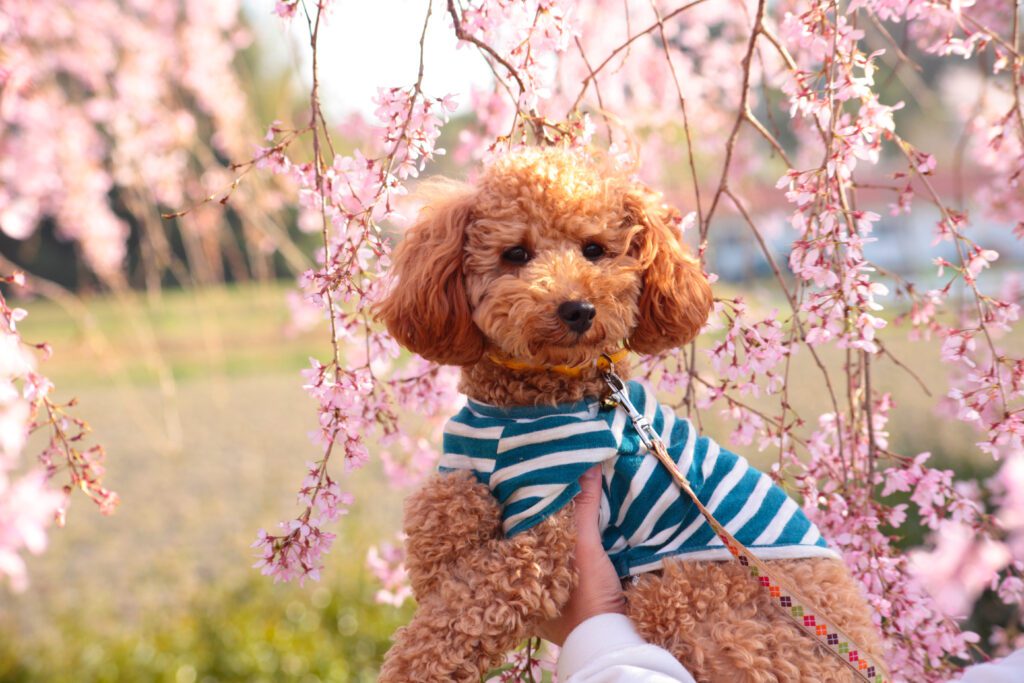


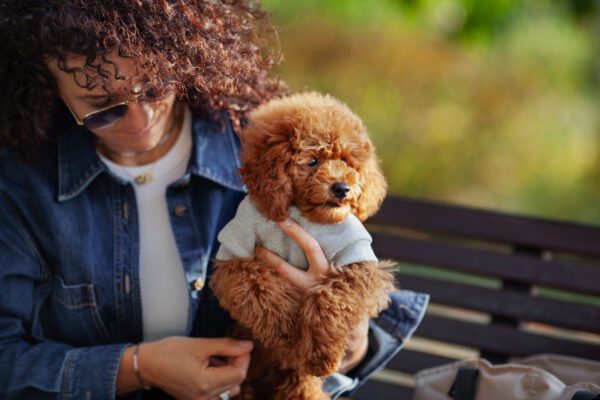
The Bichon Poodle is a cheerful, people-focused companion with a soft, low-shedding coat and a bright, eager mind. This small mix often thrives with families, couples, and retirees who want a playful yet gentle dog. The breed enjoys learning, loves attention, and usually gets along well with friendly dogs and polite children.
Good research leads to a happy match. A Bichon Poodle needs regular grooming, daily mental exercise, and consistent routines. The coat benefits from frequent brushing and professional grooming on a steady schedule. Many dogs of this mix do best with company for much of the day, and they respond to calm, positive training. Adopting instead of buying gives a deserving dog a new start and often includes important veterinary care at a lower overall cost.
New Hampshire offers four distinct seasons, and this mix adapts with a bit of planning. Cold winters call for a warm coat and protected paws on icy sidewalks. Humid summers require shade, water, and shorter midday walks. Lakes, forests, and quiet neighborhoods provide great places for training walks and enrichment. Apartment living can work well since this breed is small, but the dog still needs daily exercise and regular potty breaks, especially during snow and ice.
You can avoid searching shelters and rescues one by one by using adoption listings through Dog Academy. You can browse available dogs, save favorites, and follow clear steps with helpful educational guides and adoption checklists. You can also explore local animal shelters, regional rescues, and breed-specific rescue groups that serve New Hampshire and nearby states.
Start by browsing listings and reading full bios. Listings usually describe age, size, energy level, health notes, and personality traits. Next, complete an application that explains your home, schedule, experience, and plans for training and care. Applications often request references, proof of landlord approval if you rent, and information about current pets and veterinarians.
After your application is reviewed, you can expect a phone interview and a meet-and-greet. The meet-and-greet lets you see how the dog interacts with all household members and any resident pets. Many groups also complete a home check to confirm safety, fencing or leash plans, and secure storage of cleaning products and medications. Home checks can be virtual or in person. Approval timelines vary, though many adoptions move from application to decision within 1 to 3 weeks. The final steps include signing an adoption contract and paying the adoption fee.
Some Bichon Poodles are fostered outside New Hampshire. When a dog is a strong match, rescues may arrange transport to move dogs between states. Transport can involve volunteer drivers or licensed pet transport services that follow set routes. The rescue or shelter usually coordinates health certificates and pickup details so the dog arrives safely with basic veterinary records.
|
How Much Does It Cost to Adopt a Bichon Poodle in New Hampshire?Most adopters in New Hampshire pay $400 to $650 to adopt a Bichon Poodle. Fees trend higher for small, low-shedding dogs because demand is strong in the region. Puppies often sit at the top of the range, while adult and senior dogs often cost less. Costs also rise when organizations invest in training or when medical care has been significant. Adoption fees usually include spaying or neutering, vaccinations, microchipping, and veterinary exams. Some fees also reflect dental cleanings, grooming, or transport. When transport is included, the total can rise to cover fuel, routing, and health certificates. Your final cost depends on age, medical history, training progress, and local demand at the time you apply. |
How Should I Train a Bichon Poodle?The Bichon Poodle is intelligent, sensitive, and very trainable. These dogs respond best to positive reinforcement that uses treats, toys, and praise. Short sessions keep focus high and reduce frustration. Early socialization builds confidence with people, dogs, and novel environments. House training can be challenging for small dogs, especially in winter. Use frequent outdoor breaks, a consistent feeding schedule, and a clear routine. Crate training supports safe naps and prevents accidents. Provide enrichment like food puzzles, snuffle mats, and gentle scent games to reduce boredom and barking. Practice grooming handling early, including brushing, nail care, and ear cleaning, so professional grooming visits feel routine. If you want structured guidance, you can use Dog Academy’s online training courses. You get step-by-step lessons for house training, crate training, loose-leash walking, polite greetings, and calm behavior at home. The courses teach reward-based methods that suit a bright and eager Bichon Poodle. |
|
The ideal adopter enjoys daily walks, gentle play, and regular grooming. A Bichon Poodle thrives with someone who is home often or who can arrange midday breaks. Preparation matters. Gather supplies, set a routine, and plan training goals before your dog comes home.
Take your time, ask clear questions, and choose the dog whose energy and needs match your lifestyle. With patient training and steady care, you can adopt a Bichon Poodle in New Hampshire and welcome a loving companion for years to come.

Introducing a new puppy to your current dog is often an exciting process, and many dogs will become fast friends and eas...
Read More
Rescue dogs can make great companions and can transform your home into something better. These dogs make great pets and ...
Read More
You should never rush to pet a dog. Even dog owners make the mistake of approaching unfamiliar dogs and petting them rig...
Read More
Puppy mill dogs are survivors who have endured extreme hardships in their lives. They have grown up in horrendous, unsan...
Read More
With their wagging tails and comforting presence, adopting a dog can add a unique touch to your life. It’s a heart...
Read More
Older dogs may have a few gray hairs around the edges, but that doesn’t mean they can’t make wonderful companions! T...
Read More