

























































































































































































Introducing a new puppy to your current dog is often an exciting process, and many dogs will become fast friends and eas...
Read MoreAdopt Me

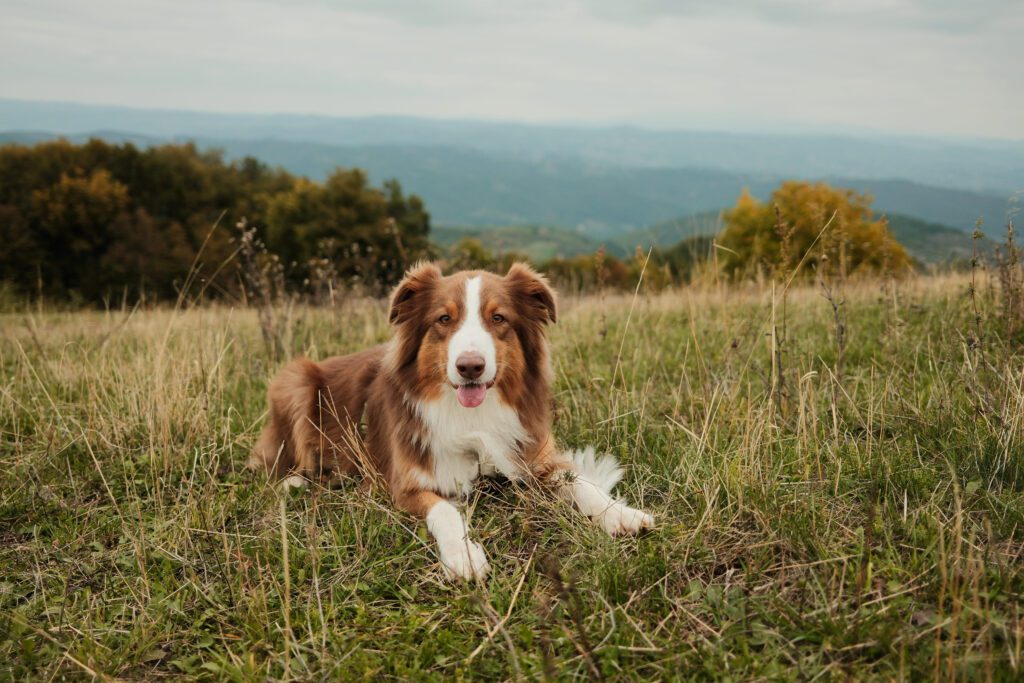
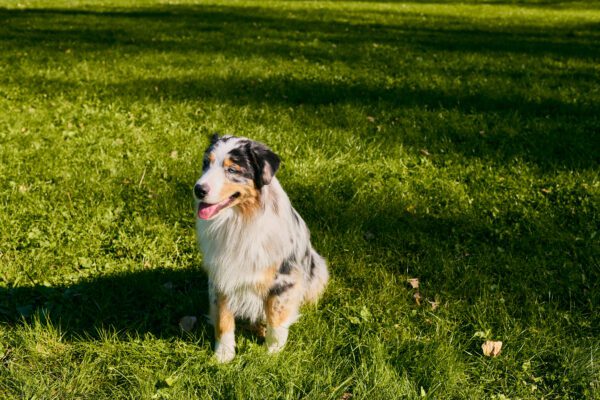
A Toy Aussie is a compact herding dog with a bright mind, affectionate nature, and eager-to-please attitude. The breed bonds closely with people and thrives on daily problem-solving and play. A Toy Aussie loves learning tricks and enjoys outdoor adventures, yet the breed also settles well after exercise. Careful research before adoption ensures that energy level, grooming needs, and temperament match your lifestyle.
Adoption is a thoughtful choice because it gives a deserving dog a secure home while supporting responsible rehoming. Adopting also provides transparency about temperament and medical history that volunteers and foster families observe over time. New Hampshire offers four-season living, with cold snowy winters, muddy spring trails, warm summers, and colorful fall hikes. A Toy Aussie handles cool weather well with an insulating double coat, but the breed still needs limited time outside during extreme cold and safe paw care on salted roads. The state’s mix of mountains, lakes, and coastal walks suits an active dog that needs structured exercise and calm indoor time.
You can skip searching shelters and rescues one by one by starting with Dog Academy. Dog Academy centralizes adoptable listings, which makes comparing age, size, and temperament simple and less time consuming. Dog Academy also provides educational guides and adoption checklists that help you prepare supplies, plan the first week at home, and understand the steps from application to approval.
Adoptable Toy Aussies in New Hampshire appear at local animal shelters, regional rescues, and breed-specific rescue groups. Begin by browsing listings, saving favorites, and reading each biography carefully. Look for details about energy level, house training, crate skills, behavior with children, and behavior with other pets. Ask clear questions about medical history, which may include joint evaluations, eye exams, dental care, and past injuries.
When you find a match, you submit an application that usually requests identification, proof of residence, landlord approval for renters, veterinary references, and personal references. A coordinator reviews fit based on lifestyle, schedule, and prior dog experience. Response times vary, but a typical approval in New Hampshire takes 1 to 3 weeks depending on background checks and volunteer availability. You improve your timeline by answering all questions promptly and by being flexible with meet-and-greet times.
After an initial approval, most groups schedule a meet-and-greet with the dog, your family, and any current pets to confirm compatibility. Many organizations also conduct a home check to confirm safe fencing, secure storage of medications and cleaners, and a plan for daily exercise. Some groups offer a short trial adoption that lets the dog settle while support is available. If the dog is located farther away, transport is often arranged by rescues to move dogs between locations safely with vetted drivers. Finalizing the adoption includes signing an agreement, paying the fee, and receiving medical records and transition advice.
|
How Much Does It Cost to Adopt a Toy Aussie in New Hampshire?Adopting a Toy Aussie in New Hampshire typically costs $300 to $550. Fees trend toward the higher end for puppies and highly social young adults because demand is strong for small, trainable herding dogs. Fees are often lower for seniors or for dogs with ongoing medical needs. Costs reflect care already provided, which usually includes spaying or neutering, vaccinations, microchipping, and veterinary exams. Pricing also varies with recent training, such as house training and basic manners, and with any specialized medical treatment completed before adoption. Plan for initial setup in addition to the adoption fee. Starter supplies in New Hampshire usually total $150 to $300 for a crate, a bed, bowls, a leash and harness, an identification tag, grooming tools, and weather-appropriate paw protection. An initial veterinary visit after adoption commonly ranges from $75 to $200 depending on tests recommended for your dog’s age and history. Budgeting for these items helps your Toy Aussie settle quickly and comfortably. |
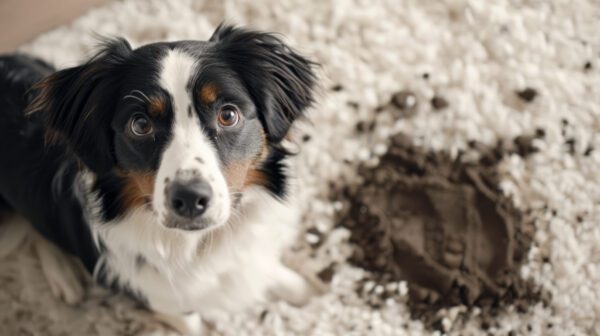
How Should I Train a Toy Aussie?A Toy Aussie is exceptionally intelligent and learns new cues quickly when training uses clear communication and rewards. The breed excels with positive reinforcement because food rewards, toys, and praise build confidence and focus. Common challenges include herding behaviors such as chasing and heel nipping, alert barking, and sensitivity to sudden changes in routine. Consistent structure, mental enrichment, and calm leadership reduce frustration and prevent unwanted habits from taking root. Keep sessions short and upbeat, usually 5 to 10 minutes, and end every session with a success. Teach a reliable marker word and reward attention to build engagement around distractions. Practice loose-leash walking with frequent changes of direction, focus games, and generous reinforcement for checking in. Add impulse control with cues like sit, down, stay, leave it, and place, then practice these cues in different rooms and safe outdoor areas. Provide daily enrichment through food puzzles, scent games, and targeted fetch sessions to meet your dog’s working drive. For structured support at home, explore Dog Academy’s online training courses. Courses cover puppy foundations, basic manners, and problem prevention with step-by-step videos and printable plans. This guidance keeps training consistent for the whole family and helps a Toy Aussie channel energy into productive skills. |
|
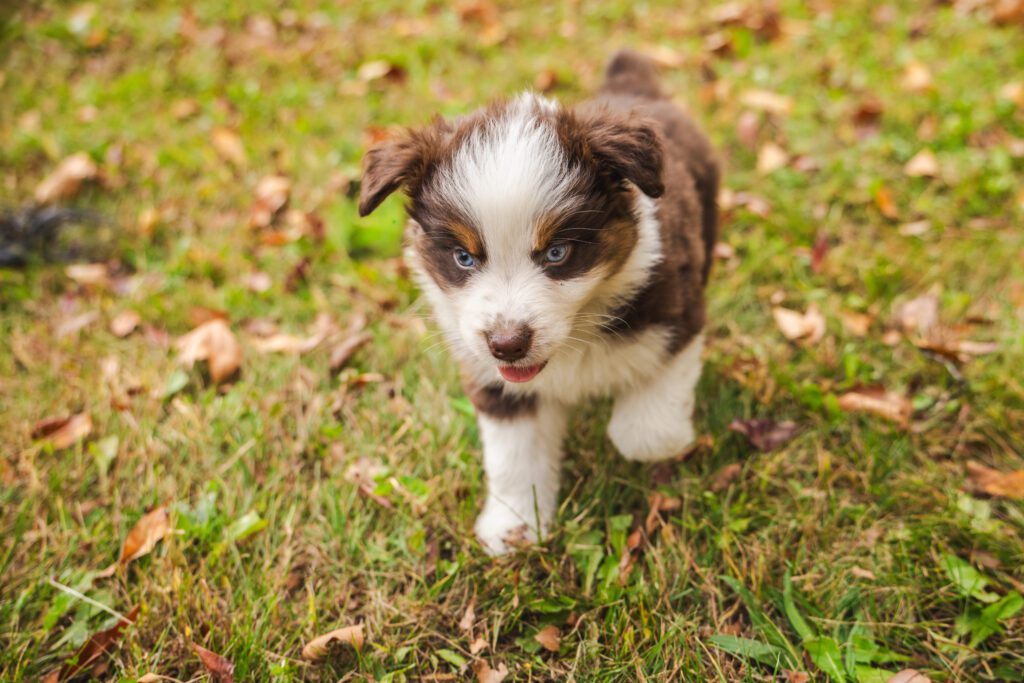
The ideal home for a Toy Aussie provides daily exercise, mental challenges, and patient guidance. Apartments can work well when owners commit to several focused walks and one meaningful play or training session every day. Families with children should supervise interactions and teach calm behavior so natural herding tendencies fade with practice. Busy professionals can succeed if they schedule midday breaks, hire reliable help, or use enrichment that keeps the dog engaged.
Preparation sets you and your dog up for success. Take time to research, ask detailed questions, and meet more than one dog if needed. When you feel ready, start with Dog Academy to browse listings and gather expert resources. With a thoughtful plan and the right match, you will adopt a Toy Aussie in New Hampshire who fits your life and thrives by your side.

Introducing a new puppy to your current dog is often an exciting process, and many dogs will become fast friends and eas...
Read More
Rescue dogs can make great companions and can transform your home into something better. These dogs make great pets and ...
Read More
You should never rush to pet a dog. Even dog owners make the mistake of approaching unfamiliar dogs and petting them rig...
Read More
Puppy mill dogs are survivors who have endured extreme hardships in their lives. They have grown up in horrendous, unsan...
Read More
With their wagging tails and comforting presence, adopting a dog can add a unique touch to your life. It’s a heart...
Read More
Older dogs may have a few gray hairs around the edges, but that doesn’t mean they can’t make wonderful companions! T...
Read More