

















Introducing a new puppy to your current dog is often an exciting process, and many dogs will become fast friends and eas...
Read MoreAdopt Me

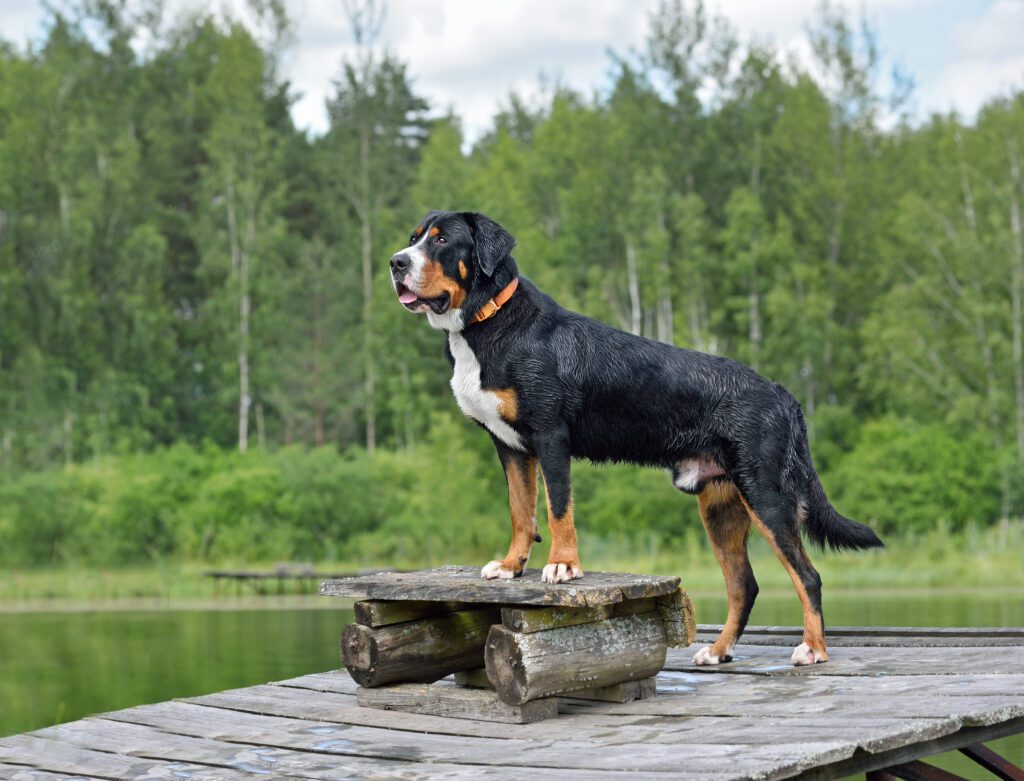


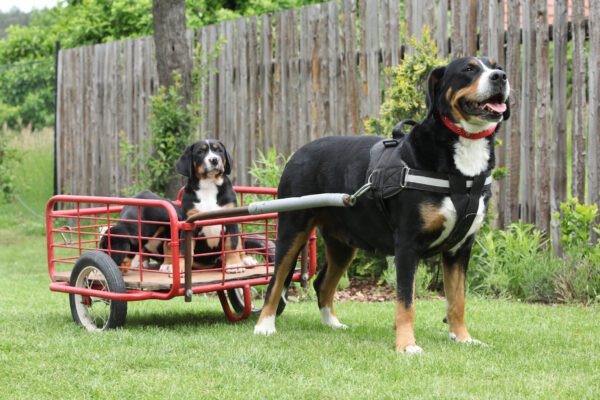
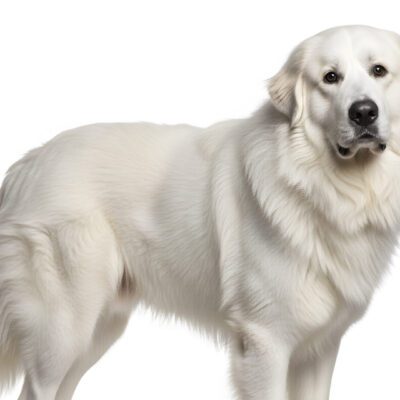
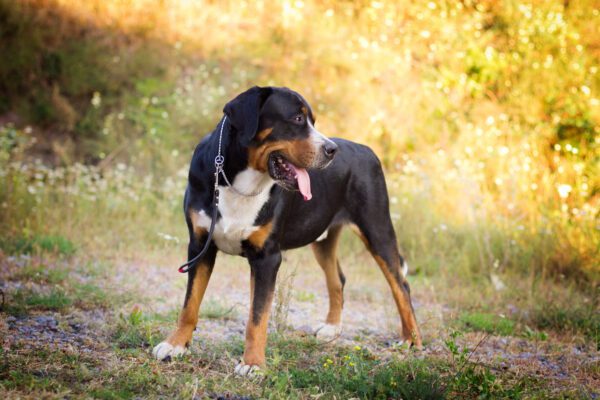
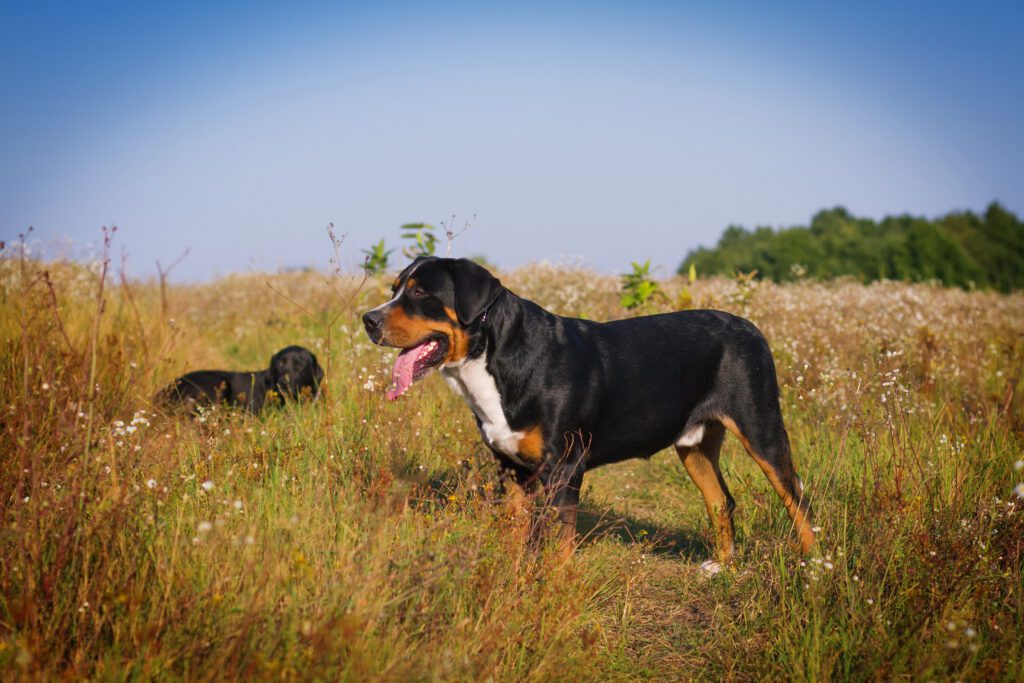
The Greater Swiss Mountain Dog is a confident, loyal, and steady companion. This large working breed is known for a calm nature with family, a watchful presence with strangers, and a willingness to pull, hike, and work. Many people choose this breed for its gentle temperament with children, its striking tri-color coat, and its eagerness to join every family activity.
Research matters before you adopt. A Swissy matures slowly, sheds year-round, and weighs 100 pounds or more. The breed needs daily exercise, early socialization, and clear structure. Adoption is a rewarding choice because it gives a dog a second chance while supporting ethical rehoming. It also often includes important veterinary care that helps you start strong.
New Hampshire offers a good match for this breed. Cold winters and mountain terrain suit a Swissy that enjoys snow and brisk hikes. Summers can feel humid, so shade and water keep this heavy-coated dog comfortable. Many towns offer quiet neighborhoods and nearby trails, which help meet the breed’s exercise needs. Apartment living can work if you commit to multiple walks, focused training, and mental enrichment.
You can avoid searching shelters and rescues one by one by starting with Dog Academy. You can browse adoptable Greater Swiss Mountain Dogs across New Hampshire in one place, filter by age and size, and review profiles that explain temperament and needs. You can also use Dog Academy checklists and educational guides to prepare your home, create a supply list, and plan your training routine.
Adoptable Swissies may appear in local animal shelters, regional rescues, and breed-specific rescue groups. Some dogs enter care after housing changes or medical expenses. Others arrive as owner surrenders due to mismatched lifestyles. Read each profile closely. Confirm activity needs, comfort with children, tolerance for other pets, and any medical notes. Understanding the breed’s strength, size, and working drive helps you choose a dog that fits your daily life.
The process usually starts with browsing listings and submitting an application. Applications ask about your schedule, fencing, veterinary history, and training plans. Many groups request references. A meet-and-greet follows if your application moves forward. You can bring family members to assess compatibility and observe how the dog handles handling, new spaces, and travel. Home checks are common. A volunteer or staff member verifies safety, secure storage of food and medications, and a plan for exercise and enrichment.
Approval timelines vary from a few days to a few weeks. Timelines depend on the dog’s medical status, your availability for visits, and the number of applicants. If the exact dog you want is not available nearby, ask about regional options. Rescues sometimes arrange transport to move dogs between locations after approval. Transport is often coordinated by staff or volunteers who schedule safe travel and communicate pickup details so you can meet your new dog smoothly.
|
How Much Does It Cost to Adopt a Greater Swiss Mountain Dog in New Hampshire?Most adopters in New Hampshire can expect to pay $300 to $650 for an adult Greater Swiss Mountain Dog. Puppies and young adolescents often range from $500 to $750 due to higher demand and recent veterinary care. Costs in New Hampshire reflect regional veterinary pricing and the size of the breed, which can increase food and preventive care during foster. Fees usually include spaying or neutering, vaccinations, microchipping, and veterinary exams. Some groups also include heartworm testing, parasite screening, preventatives, and a starter supply of food or medication. Pricing can increase with professional training, advanced diagnostics, or specialized treatment. Age, temperament, and demand also influence fees. A well-socialized young adult with basic manners and no medical issues often falls near the middle of the range. |
How Should I Train a Greater Swiss Mountain Dog?The Greater Swiss Mountain Dog is intelligent, people-focused, and eager to work with a calm handler. The breed learns best with positive reinforcement, consistent cues, and short, focused sessions. Food rewards and praise build confidence and prevent pushback from a strong, independent thinker. Early socialization introduces the dog to new surfaces, sounds, and people so that the natural watchdog instinct remains balanced and polite. Common challenges include leash pulling, door rushing, and selective listening during adolescence. A Swissy is powerful, so teach loose-leash walking, impulse control, and a solid recall from day 1. Crate training supports safe downtime and house manners. Many Swissies enjoy draft work and carting, which channel strength into a job and reduce restless behavior. For step-by-step guidance at home, you can use Dog Academy’s online training courses. These courses provide clear modules on obedience, leash skills, confidence building, and polite greetings that suit large working breeds. |
|
The ideal adopter is active, patient, and ready for a large, steady companion. A fenced yard helps, though daily structured walks can also work. Budget for high-quality food, routine veterinary care, and training. Plan for shedding management and occasional drool. Commit to daily exercise, mental enrichment, and clear routines so your dog thrives.
Take your time and prepare well. Review needs, gather supplies, and plan the first week at home. Start your search with Dog Academy to compare adoptable Greater Swiss Mountain Dogs in New Hampshire and to use helpful adoption checklists. With the right match and a thoughtful start, your Swissy will be a devoted partner for years.
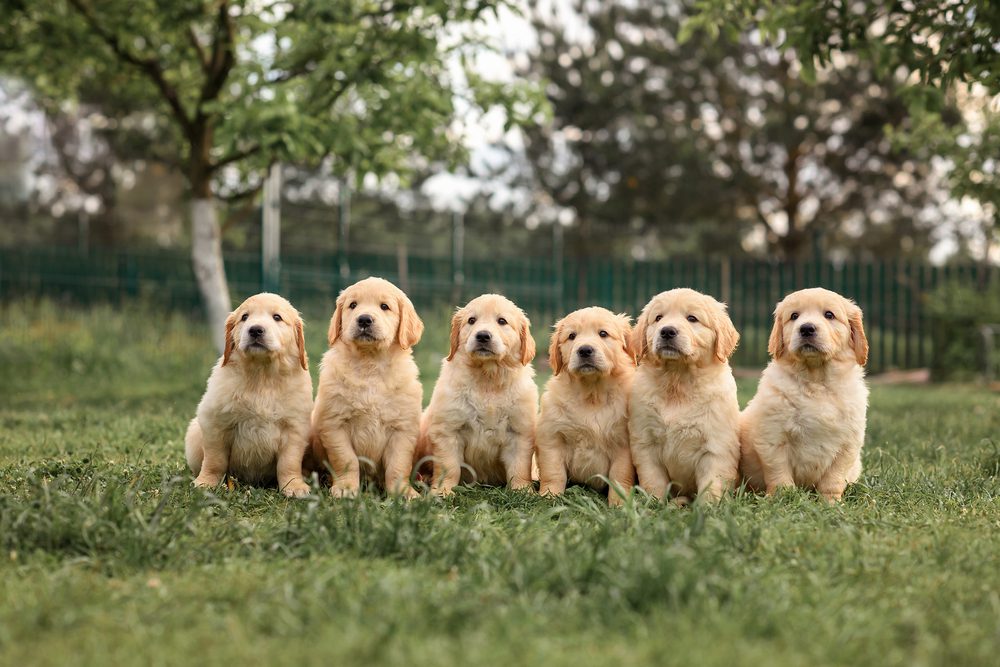
Introducing a new puppy to your current dog is often an exciting process, and many dogs will become fast friends and eas...
Read More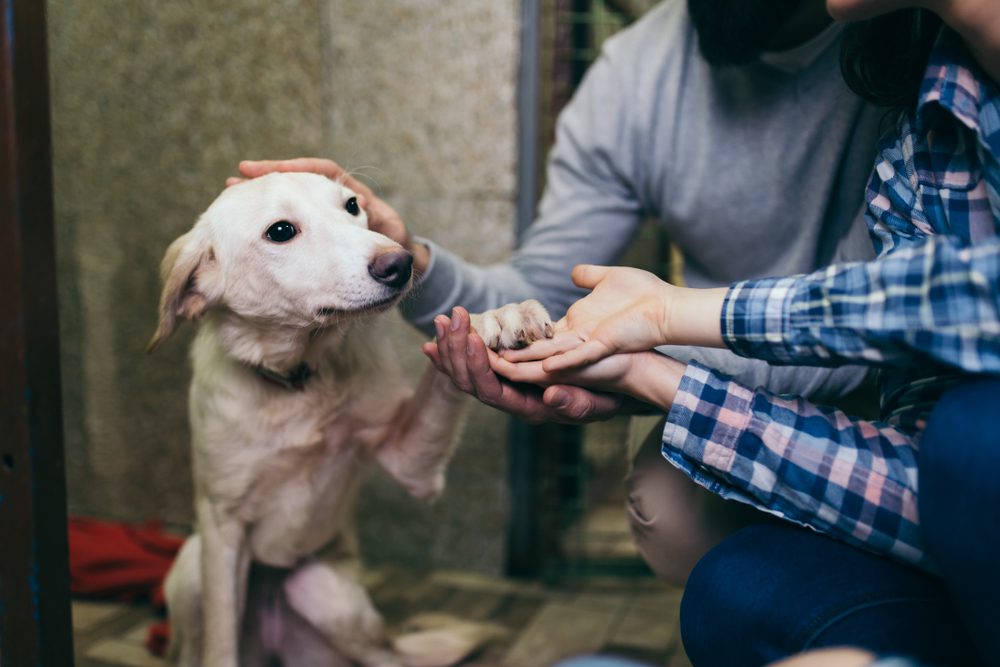
Rescue dogs can make great companions and can transform your home into something better. These dogs make great pets and ...
Read More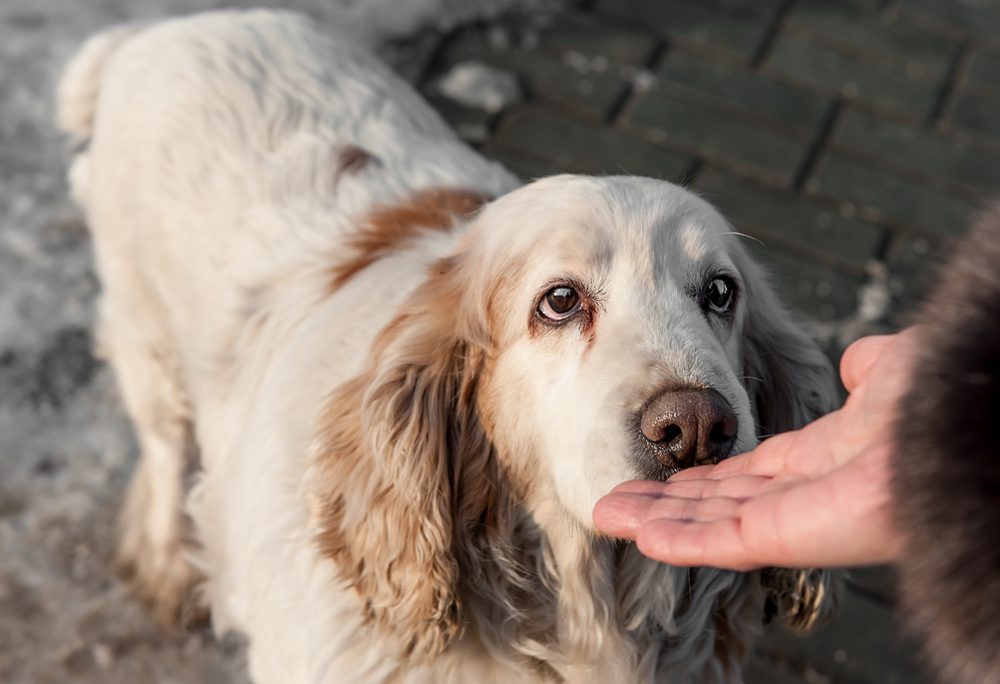
You should never rush to pet a dog. Even dog owners make the mistake of approaching unfamiliar dogs and petting them rig...
Read More
Puppy mill dogs are survivors who have endured extreme hardships in their lives. They have grown up in horrendous, unsan...
Read More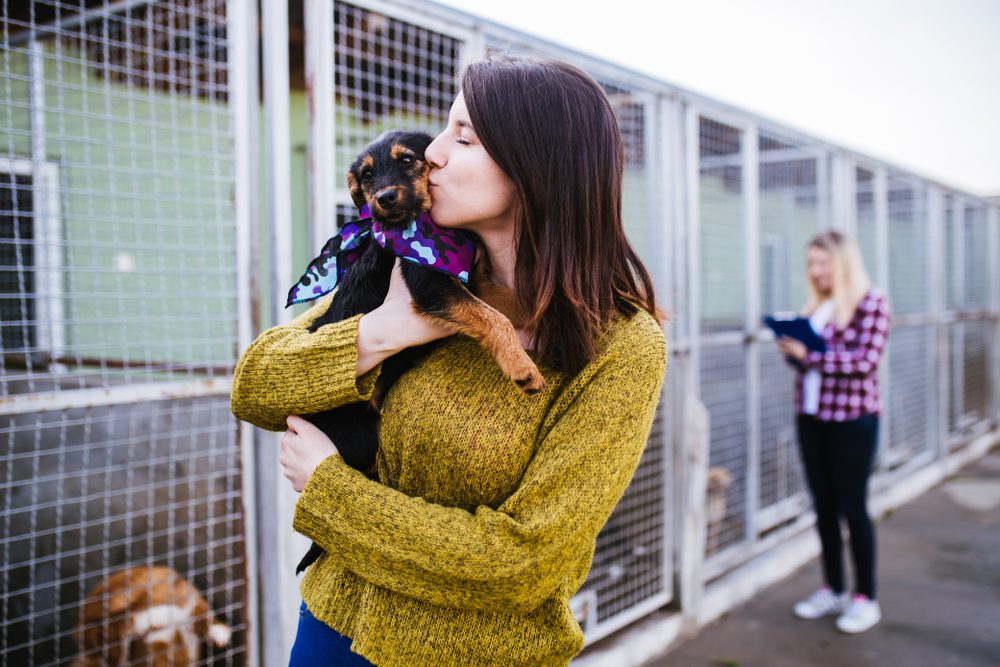
With their wagging tails and comforting presence, adopting a dog can add a unique touch to your life. It’s a heart...
Read More
Older dogs may have a few gray hairs around the edges, but that doesn’t mean they can’t make wonderful companions! T...
Read More