

























































































































































































Introducing a new puppy to your current dog is often an exciting process, and many dogs will become fast friends and eas...
Read MoreAdopt Me

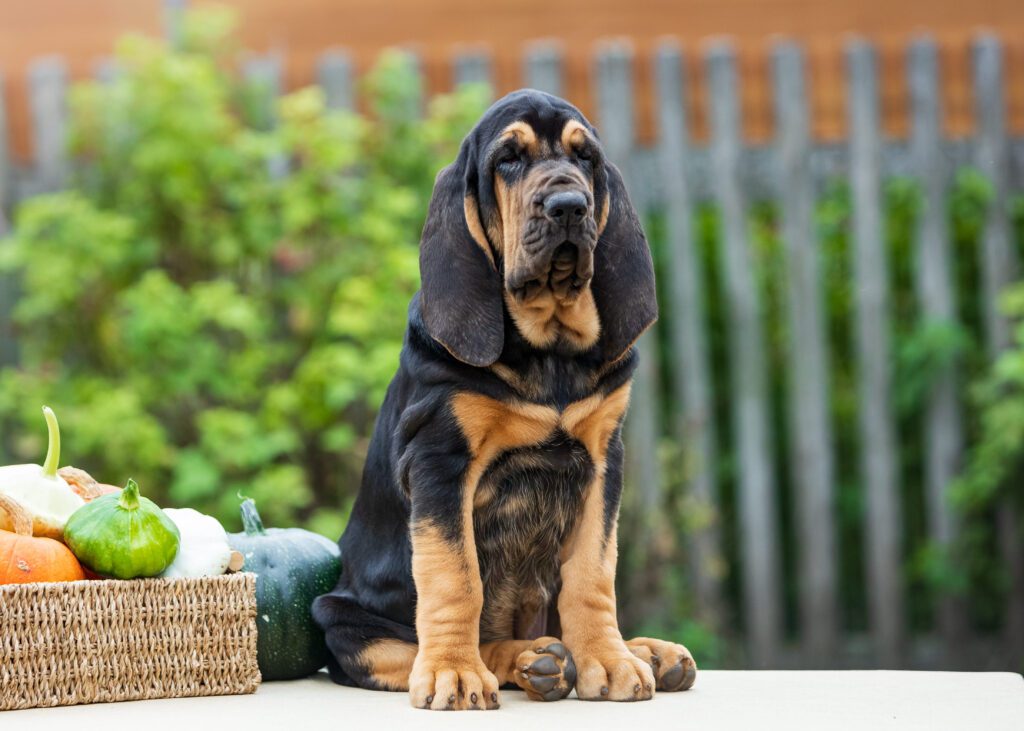

The Bloodhound is affectionate, loyal, and famously dedicated to following a scent. Families appreciate the breed’s gentle nature, while hikers value the dog’s stamina and curiosity. A Bloodhound relaxes after exercise, but the dog needs daily mental and physical activity to stay happy. The breed can be vocal, and the dog can drool, so prospective adopters should prepare for both traits.
Thoughtful research helps every adoption succeed. Adoption gives a dog a second chance and supports lifesaving work, and it often includes essential veterinary care that new owners would otherwise pay for later. New Hampshire offers wooded trails, quiet neighborhoods, and rural spaces that suit a scent hound’s love of exploring. Winters are cold and icy, so a Bloodhound benefits from paw protection and shorter outings on frigid days. Summers can feel humid, so the dog needs shade, fresh water, and rest because large scent hounds can overheat during strenuous exercise.
New Hampshire lifestyles vary from downtown living to country acreage. A Bloodhound fits best with adopters who can provide long daily walks, supervised yard time in a secure fence, and structured scent games. Apartment living can work when owners commit to consistent exercise and training, but neighbors should expect the occasional deep bay. Careful planning makes this intelligent hound an outstanding companion.
You can skip searching rescues and shelters one by one by starting with Dog Academy. Dog Academy’s adoption listings gather Bloodhounds available through local animal shelters, regional rescues, and breed-specific rescue groups in one place. You can also use Dog Academy’s educational guides and adoption checklists to prepare your household before you apply.
Begin by browsing listings and reading each dog’s profile. Confirm the dog’s size, age, temperament, and activity level. Note compatibility with children, cats, and other dogs. When you find a good match, complete an application that describes your home, schedule, fencing, veterinary history, and landlord permission if you rent. Most organizations review references and conduct a phone interview to discuss expectations, training plans, and lifestyle. Timelines vary, but approvals in New Hampshire often take 1 to 3 weeks depending on the dog and the number of applicants.
After a preliminary approval, you schedule a meet-and-greet. Meetings usually take place at the shelter, an adoption center, or a foster home. Bring all household members and any resident dogs so staff can supervise introductions. Many groups also complete a home check, which can be virtual or in person, to confirm safe containment, secure trash storage, and a space for the dog to rest. Once approved, you sign an adoption agreement, pay the fee, and coordinate a pickup date. Some rescues arrange transport between locations to move dogs from high-intake areas to approved adopters in New Hampshire, and transport typically uses volunteer drivers or licensed carriers and follows veterinary health certificate requirements.

|
How Much Does It Cost to Adopt a Bloodhound in New Hampshire?Adopting a Bloodhound in New Hampshire usually costs $300 to $550. The fee reflects the dog’s age, any completed training, medical care already provided, and local demand for the breed. Puppies and highly trained adults can sit at the top of the range because they require more veterinary care and attract more applicants. Senior dogs or dogs with ongoing medical needs may cost less to encourage adoption. Most adoption fees cover spaying or neutering, vaccinations, microchipping, and veterinary exams. Many groups also include deworming, heartworm testing, and a recent health check. New owners should budget for essentials like a crate, a bed, food and water bowls, a harness, a leash, and chew toys, along with a modest local dog license that is paid to the town after adoption. |
How Should I Train a Bloodhound?Bloodhounds are intelligent and sensitive, and they respond best to calm, consistent guidance. The breed’s nose is incredibly powerful, which can make recall and loose-leash walking challenging. Positive reinforcement with high-value treats helps the dog focus when distractions are strong. Keep sessions short and frequent, and end on a success to maintain motivation. Teach a reliable recall using a long line in a fenced area, and reward generously for turning away from scents. Add impulse control cues like sit, down, wait, and leave it. Provide daily scent games, tracking practice, or mantrailing to satisfy the dog’s natural drive. Management matters with this breed, so use secure fences, locked gates, and a well-fitted harness for walks. For structured guidance at home, explore Dog Academy’s online training courses, which include step-by-step lessons for recall, leash skills, and enrichment tailored to energetic scent hounds. |
|
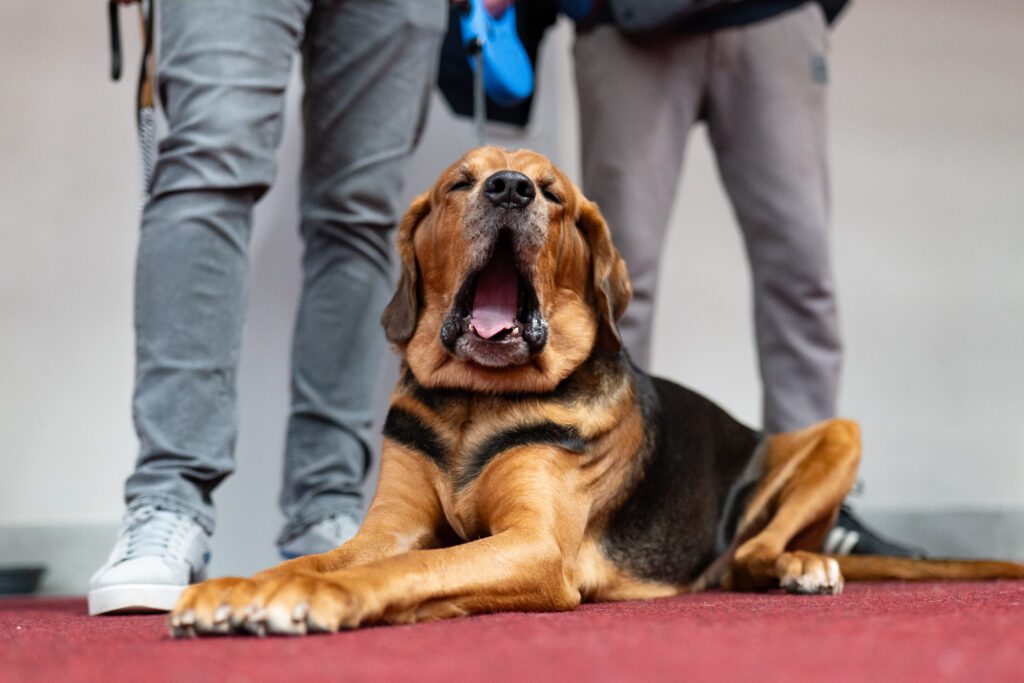
The ideal Bloodhound adopter enjoys the outdoors, values routine, and has patience for scent-driven behavior and occasional drool. A secure yard, a commitment to daily exercise, and time for training set this breed up for success. Careful preparation and realistic expectations help the dog settle in quickly.
Take time to learn, plan, and meet several dogs before you decide. When you feel ready to adopt a Bloodhound in New Hampshire, start by exploring listings through Dog Academy, gather your supplies, and build a support team that includes your veterinarian and a training plan. With the right match, your Bloodhound will reward your effort with devotion, character, and unforgettable adventures.

Introducing a new puppy to your current dog is often an exciting process, and many dogs will become fast friends and eas...
Read More
Rescue dogs can make great companions and can transform your home into something better. These dogs make great pets and ...
Read More
You should never rush to pet a dog. Even dog owners make the mistake of approaching unfamiliar dogs and petting them rig...
Read More
Puppy mill dogs are survivors who have endured extreme hardships in their lives. They have grown up in horrendous, unsan...
Read More
With their wagging tails and comforting presence, adopting a dog can add a unique touch to your life. It’s a heart...
Read More
Older dogs may have a few gray hairs around the edges, but that doesn’t mean they can’t make wonderful companions! T...
Read More