

























































































































































































Introducing a new puppy to your current dog is often an exciting process, and many dogs will become fast friends and eas...
Read MoreAdopt Me

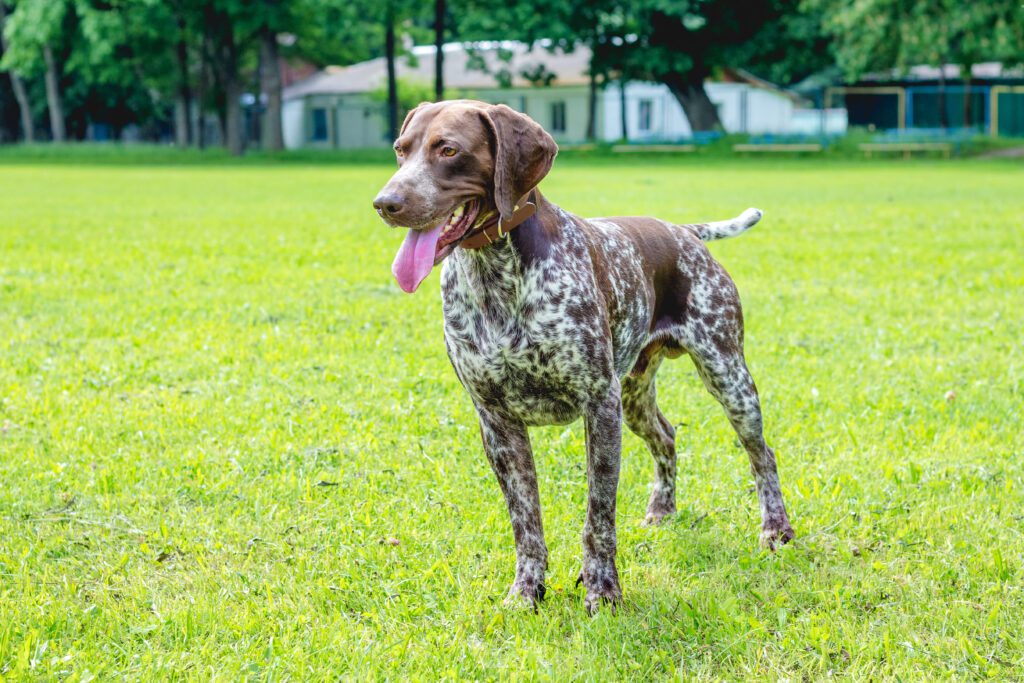


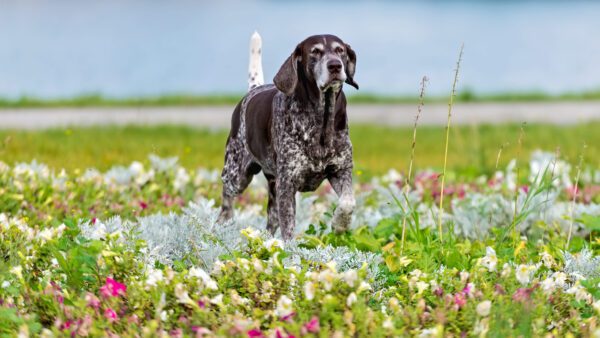
The German Shorthaired Pointer is energetic, intelligent, and affectionate. This athletic breed thrives with purpose and stays happiest when it runs, swims, and trains with people. A strong nose, a love of water, and a gentle nature in the home make the breed a favorite for active families and outdoor enthusiasts.
Research matters before you adopt. Understanding exercise needs, prey drive, and grooming requirements helps you choose a dog that fits your routine. Adoption is preferable to buying because it supports animal welfare, provides transparency about temperament, and opens your home to a dog that needs a second chance. New Hampshire can be an excellent match because the state offers forests, fields, and mountains that support daily adventures. Cold winters and a short coat require a warm jacket, limited exposure during deep cold, and paw care on ice. Humid summers and wooded trails call for tick prevention and rinse-offs after swims.
You can avoid searching rescues and shelters separately by browsing adoptable dogs on Dog Academy. You can filter for a German Shorthaired Pointer in New Hampshire and nearby states, then review photos, bios, and requirements in one place. Dog Academy also offers educational guides and adoption checklists that help you prepare every step.
Adoptable German Shorthaired Pointers appear through local animal shelters, regional rescues, and breed-specific rescue groups. Many dogs live in foster homes where caretakers share details about activity level, house manners, and compatibility with other pets. If a suitable dog is outside your immediate area, transport is often arranged by rescues to move dogs between states. Transport typically involves vetted carriers or volunteer drivers and only proceeds after health checks and scheduling.
The process starts by browsing listings and reading each profile carefully. You then submit an application that includes information about your home, schedule, training plans, and veterinary history. Most groups request references, proof of landlord approval if you rent, and confirmation of current pet vaccinations. Meet-and-greets follow for you, your family, and any resident dogs. Home checks may be virtual or in person to confirm safe containment and a suitable environment for a high-energy breed.
Approval timelines vary by group and by dog. A straightforward adoption often moves from application to home check within 3 to 10 days. Complex matches can take 2 to 3 weeks. You help the timeline by responding quickly, preparing documents, and staying flexible for meet-and-greet scheduling. Once approved, you sign an adoption contract, pay the fee, and arrange a pickup date. Plan a calm transition with a crate, a secure collar, an ID tag, and a quiet decompression period of 3 to 7 days.
|
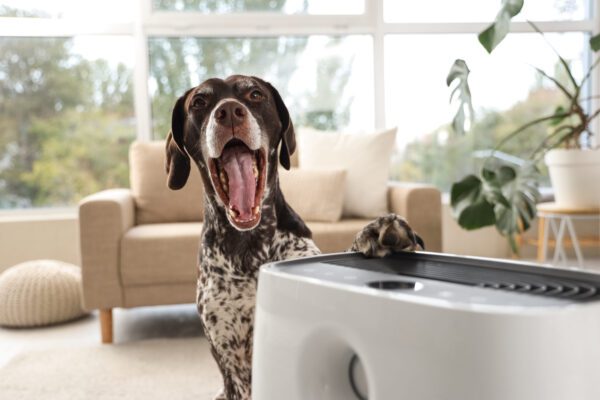
How Much Does It Cost to Adopt a German Shorthaired Pointer in New Hampshire?In New Hampshire, adoption fees for a German Shorthaired Pointer typically range from $350 to $600 for most adults and from $450 to $750 for puppies. Fees tend to be higher for puppies and for dogs that receive extra medical care or training. Prices reflect regional veterinary costs, demand for the breed, and the level of support provided by the group. Most fees include spaying or neutering, vaccinations, microchipping, and veterinary exams. Many groups also provide heartworm testing, parasite screening, and a starter supply of preventatives. Dogs that arrive through transport may include a health certificate and travel expenses in the final fee. A dog that has completed basic training or behavior work may also cost more because that training adds value and helps ensure an easier transition at home. |
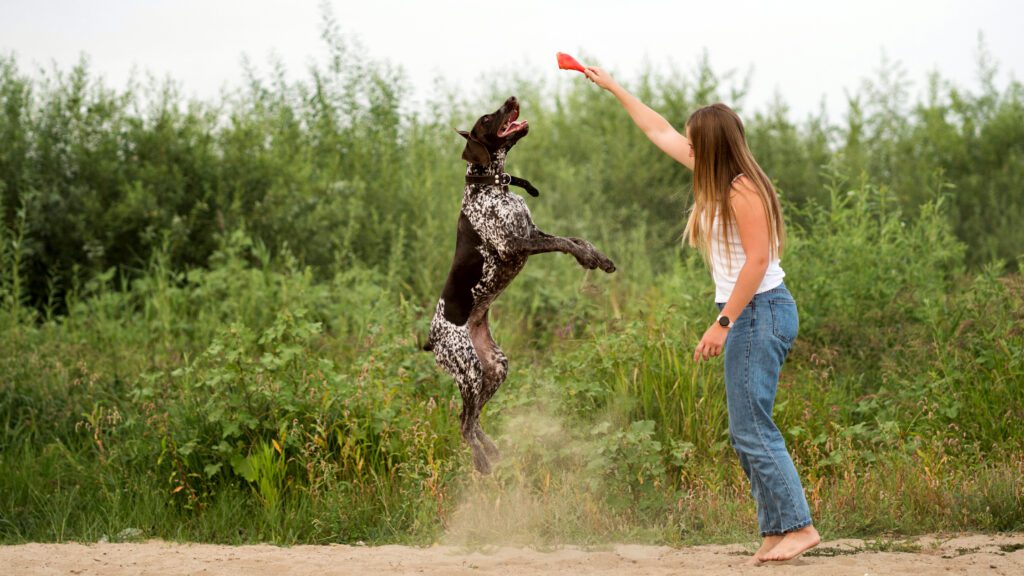
How Should I Train a German Shorthaired Pointer?The German Shorthaired Pointer learns quickly and responds best to positive reinforcement. Short, upbeat sessions with food rewards, toys, and praise keep focus high. Prioritize recall, loose-leash walking, impulse control, and a reliable cue to settle on a mat. This breed carries a strong prey drive and a high energy level, so daily physical exercise and mental enrichment prevent restlessness and destructive behavior. Structure helps the breed thrive. Use clear routines for potty breaks, crate time, and training. Add scent games, retrieving drills, and tracking exercises to channel the nose and mind. If you want step-by-step support, explore Dog Academy’s online training courses. These courses cover foundation skills, recall, leash manners, crate training, and calm behavior around wildlife, which are essential for a versatile hunting breed living an active New Hampshire lifestyle. |
|
The ideal adopter enjoys daily exercise, outdoor adventures, and consistent training. A fenced yard, an active routine, and time for structured play help this breed shine. Families that value partnership and enrichment will be rewarded with a loyal, eager companion.
Prepare your home, set a training plan, and give yourself time to find the right match. Read listings carefully, ask thoughtful questions, and trust the process. With patience and preparation, you can adopt a German Shorthaired Pointer in New Hampshire that fits your life and becomes your favorite trail and couch companion.

Introducing a new puppy to your current dog is often an exciting process, and many dogs will become fast friends and eas...
Read More
Rescue dogs can make great companions and can transform your home into something better. These dogs make great pets and ...
Read More
You should never rush to pet a dog. Even dog owners make the mistake of approaching unfamiliar dogs and petting them rig...
Read More
Puppy mill dogs are survivors who have endured extreme hardships in their lives. They have grown up in horrendous, unsan...
Read More
With their wagging tails and comforting presence, adopting a dog can add a unique touch to your life. It’s a heart...
Read More
Older dogs may have a few gray hairs around the edges, but that doesn’t mean they can’t make wonderful companions! T...
Read More