





































































































































































Introducing a new puppy to your current dog is often an exciting process, and many dogs will become fast friends and eas...
Read MoreAdopt Me

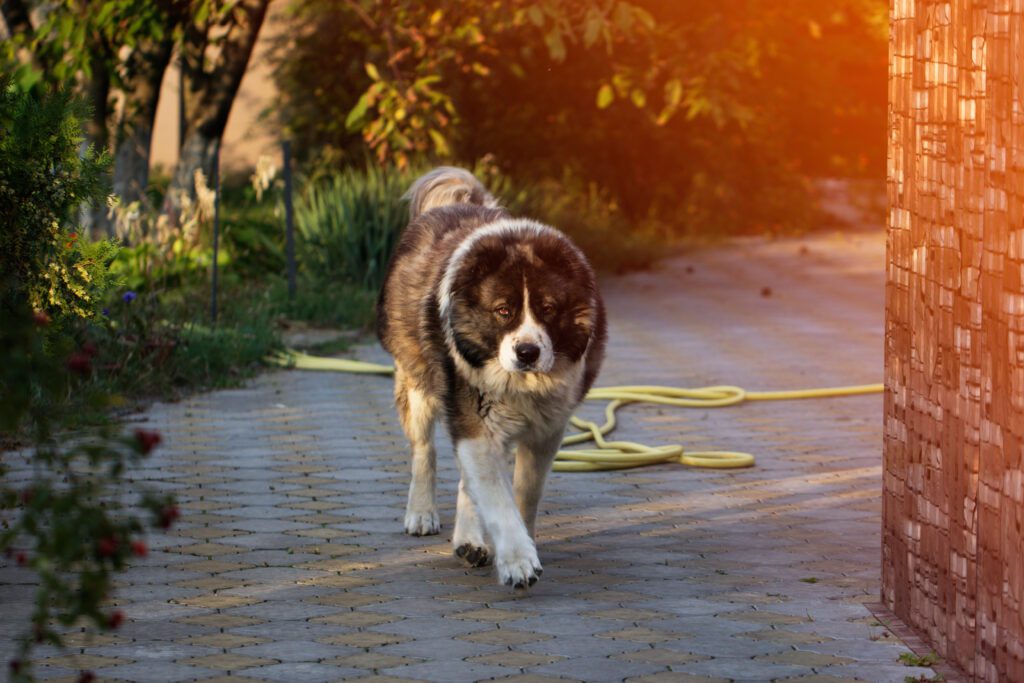


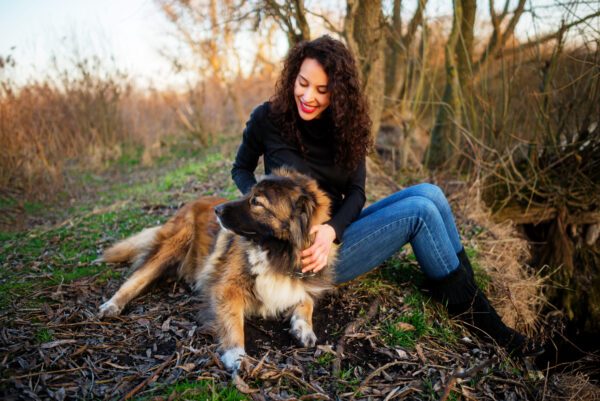
The Caucasian Shepherd is a powerful, loyal guardian with a calm, confident presence. This breed bonds deeply with family, shows steady watchfulness, and prefers clear structure. A Caucasian Shepherd can be affectionate and gentle at home while remaining alert and protective in unfamiliar situations. Careful research before adoption helps you understand the breed’s size, instincts, and daily needs, which protects both the dog and your household.
Adoption allows you to give a deserving dog a second chance while supporting ethical placement practices. Many adoptable Caucasian Shepherds already receive essential veterinary care and basic training, which can make the transition smoother than buying from unknown sources. New Hampshire suits this breed’s dense double coat because winters are cold and snowy. The state’s forests, hills, and quiet neighborhoods can offer the space and calm routine a guardian breed appreciates. Hot summer days require shade, cool water, and limited midday activity to prevent overheating.
New Hampshire’s outdoor lifestyle is a great match when you plan for safety and structure. A Caucasian Shepherd thrives with secure fencing, clear boundaries, and steady leadership. The breed’s protective nature calls for respectful management in public spaces and consistent training at home. With preparation and patience, this impressive dog can flourish in the Granite State.
You can avoid searching shelters and rescues one by one by starting with Dog Academy. You can browse current adoption listings in one place and use helpful educational guides and adoption checklists to prepare. You can also contact local animal shelters, regional rescues, and breed-specific rescue groups that serve New Hampshire and nearby states. Some groups list dogs statewide, while others cover the broader New England region.
The process usually begins by browsing detailed listings, reading about temperament and medical history, and confirming that the dog’s needs match your home. You then submit an application that explains your experience with large breeds, your daily schedule, your yard setup, and your plan for training and veterinary care. Many groups request landlord approval when you rent and veterinary references when you have owned pets.
If your application matches the dog, the next step is a meet-and-greet. This visit lets you see the dog’s size, energy level, and reaction to new people. You may be asked to bring family members and current dogs for introductions in a neutral, controlled environment. Many groups complete a home check, either in person or by video, to confirm secure fencing, safe storage of chemicals and tools, and a quiet area for the dog to decompress. These steps protect the dog and set you up for success.
Approval timelines vary by organization and the dog’s needs. Straightforward applications often move in 1 to 3 weeks. Complex matches may take longer when behavior evaluations, medical updates, or additional training are underway. When a dog is located outside New Hampshire, rescues sometimes arrange transport to move dogs between regions. Transport is often organized through volunteers or licensed carriers, and it usually requires health certificates and coordinated pickup times.
|
How Much Does It Cost to Adopt a Caucasian Shepherd in New Hampshire?Most adopters in New Hampshire can expect fees in the range of $300 to $600 for a Caucasian Shepherd. Fees trend toward the middle of that range for healthy adults and toward the higher end when dogs receive extra medical care or professional training. Puppies are rare and may be priced higher due to demand and the cost of early veterinary care. Adoption fees typically reflect spaying or neutering, vaccinations, microchipping, and veterinary exams. Costs also vary with age, training, medical care, and regional demand. Additional expenses after adoption can include high-quality food, durable equipment sized for a giant breed, grooming tools for a thick coat, and ongoing training. |
How Should I Train a Caucasian Shepherd?The Caucasian Shepherd is intelligent and observant, yet independent. The breed was developed to make decisions without constant direction, which can feel stubborn if training is inconsistent. Positive reinforcement with clear rules builds trust and keeps this thoughtful dog engaged. Short sessions that reward calm focus, loose-leash walking, and reliable recalls work better than repetitive drills. Early socialization is essential for a stable guardian. You can introduce new people, places, and animals in controlled, low-pressure settings to prevent overarousal. You can practice impulse control, doorway manners, and relaxed settle cues to manage a large, powerful body safely. You can also condition comfortable handling for grooming and veterinary care. For structured help you can enroll in Dog Academy’s online training courses, which teach foundation skills, impulse control, and polite leash work suited to strong, independent breeds. |
|
The ideal adopter has experience with large or guardian breeds, lives in a home with secure fencing, and enjoys a steady routine. The best match values calm leadership, thoughtful socialization, and patient training. Families who understand canine body language and who can manage introductions politely will set this breed up to thrive.
Preparation makes every step smoother. You can research the breed, set up your home, choose a veterinarian, and create a training plan before you bring your dog home. You can take the time you need to find the right fit, ask clear questions, and move at a responsible pace. With careful planning, you can adopt a Caucasian Shepherd in New Hampshire and welcome a devoted guardian for years to come.

Introducing a new puppy to your current dog is often an exciting process, and many dogs will become fast friends and eas...
Read More
Rescue dogs can make great companions and can transform your home into something better. These dogs make great pets and ...
Read More
You should never rush to pet a dog. Even dog owners make the mistake of approaching unfamiliar dogs and petting them rig...
Read More
Puppy mill dogs are survivors who have endured extreme hardships in their lives. They have grown up in horrendous, unsan...
Read More
With their wagging tails and comforting presence, adopting a dog can add a unique touch to your life. It’s a heart...
Read More
Older dogs may have a few gray hairs around the edges, but that doesn’t mean they can’t make wonderful companions! T...
Read More