
























































































































































































Introducing a new puppy to your current dog is often an exciting process, and many dogs will become fast friends and eas...
Read MoreAdopt Me

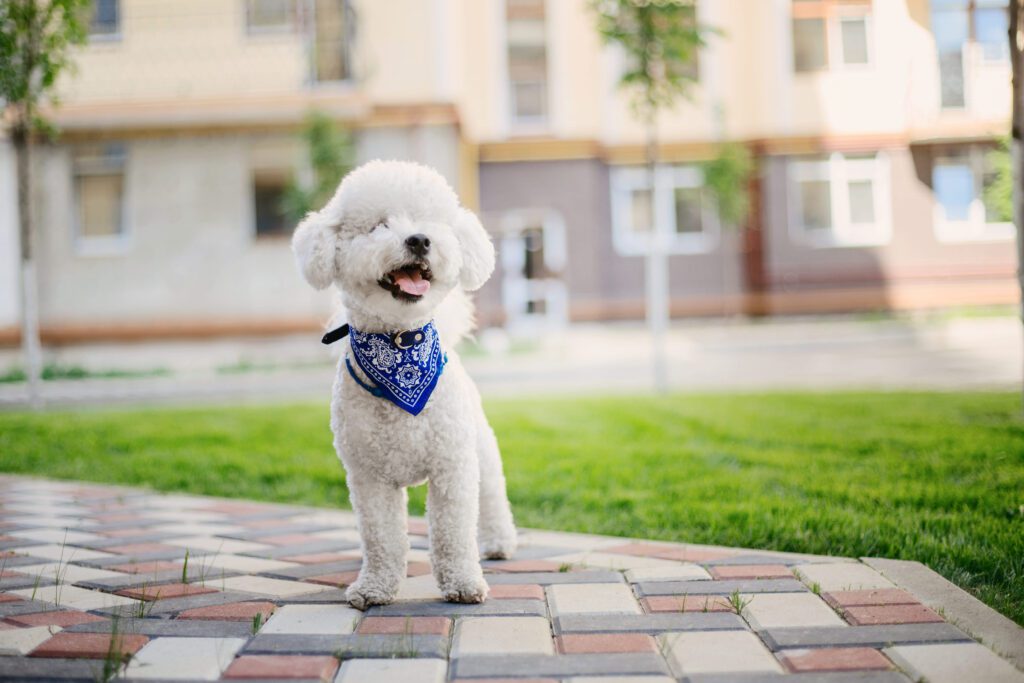


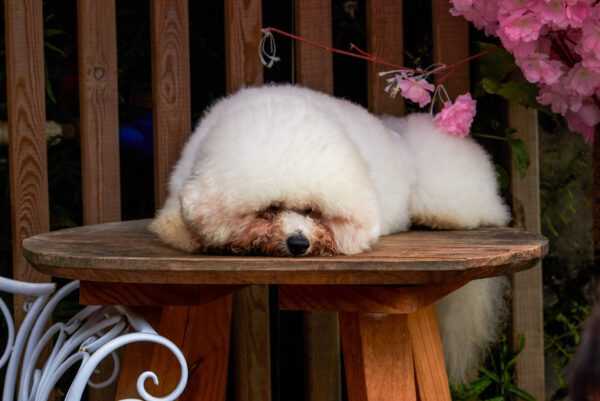
The Bichon Frise is a cheerful, affectionate, and people-focused companion. This small dog has a soft, low-shedding coat and a playful spirit that fits many homes. A Bichon Frise enjoys gentle walks, upbeat play, and plenty of cuddles. The breed thrives when daily routines feel calm and predictable.
Smart preparation matters before any adoption. A Bichon Frise needs daily brushing, regular professional grooming every 4 to 6 weeks, and consistent house training. Adoption is often preferable to buying because it gives a dog a second chance while offering you a vetted companion. Many adopted Bichon Frises are already spayed or neutered and have received core veterinary care.
New Hampshire offers a good match for the breed when owners plan for the climate and lifestyle. Winters in New Hampshire bring snow and icy sidewalks, so a warm jacket and paw protection help a Bichon stay comfortable. Summers can feel humid, so shade and fresh water are essential. The breed adapts well to apartments in cities and to single-family homes in rural towns. Daily indoor play and short outdoor walks work well when trails are muddy or icy. A Bichon Frise prefers close company and does best in homes where someone is present for much of the day.
You can skip searching shelters and rescues one by one by using Dog Academy. Dog Academy collects adoptable listings in one place, which saves time and helps you compare options quickly. You can also use Dog Academy guides and adoption checklists to prepare your home, plan your questions, and understand what to expect on pickup day.
Adoptable Bichon Frises in New Hampshire may appear through local animal shelters, regional rescues, breed-specific rescue groups, and foster-based networks. Some rescues arrange transport between locations when a good match lives in another area. Transport is often arranged by rescues to move dogs between states, and volunteers or partner drivers help move dogs safely to adopters or local fosters.
Start by browsing listings and reading each bio in full. Look for details about age, health, energy level, grooming tolerance, and any training the dog has started. When you find a good match, submit an application that includes your household details, your schedule, your veterinary history if you have one, and landlord approval if you rent. Timely and complete answers help reviewers understand your plan and your experience.
Approved applicants usually attend a meet-and-greet at the shelter or in a foster home. Bring all household members and plan a calm introduction if you already have pets. Many groups also complete a home check in person or by video to confirm safe doors and gates, a plan for exercise, and a space for rest and recovery after spay or neuter surgery. Once approved, you sign an adoption contract, pay the fee, and schedule pickup. Timelines vary by organization and by dog, though many adoptions in New Hampshire move from application to approval within 1 to 3 weeks.

|
How Much Does It Cost to Adopt a Bichon Frise in New Hampshire?Most adopters in New Hampshire can expect to pay about $300 to $600 for a Bichon Frise. Puppies and young adults often land toward the higher end due to strong demand and recent veterinary work, while seniors may be lower when groups focus on placement speed. Fees usually include spaying or neutering, vaccinations, microchipping, and veterinary exams. Many small-breed intakes also receive dental assessments, parasite testing, and grooming before adoption, which can affect the final fee. Age, medical needs, training progress, and regional demand all influence price. Dogs that arrive with recent dental cleanings, specialized medications, or professional training often cost more because care has already been provided. If transport is arranged, some groups add a separate transport fee to cover fuel and driver costs. Clear itemization helps you see exactly what your fee supports. |
How Should I Train a Bichon Frise?The Bichon Frise is bright, social, and eager to please, which makes training rewarding. Short sessions with high-value rewards work best. Many Bichon Frises need extra help with house training due to small bladders and sensitive temperaments. A consistent schedule, frequent outdoor breaks, and crate training build reliable habits. Mark and reward every success to keep motivation high. Bichon Frises can develop barking or separation stress when left alone for long periods. You can reduce these issues with daily mental enrichment, gradual alone-time practice, and calm greetings. Early socialization builds confidence with visitors, grooming tools, and new environments. Gentle handling exercises make salon visits and vet care smoother. For step-by-step guidance, explore Dog Academy’s online training courses that cover house training, impulse control, loose-leash walking, and calm settling. |
|
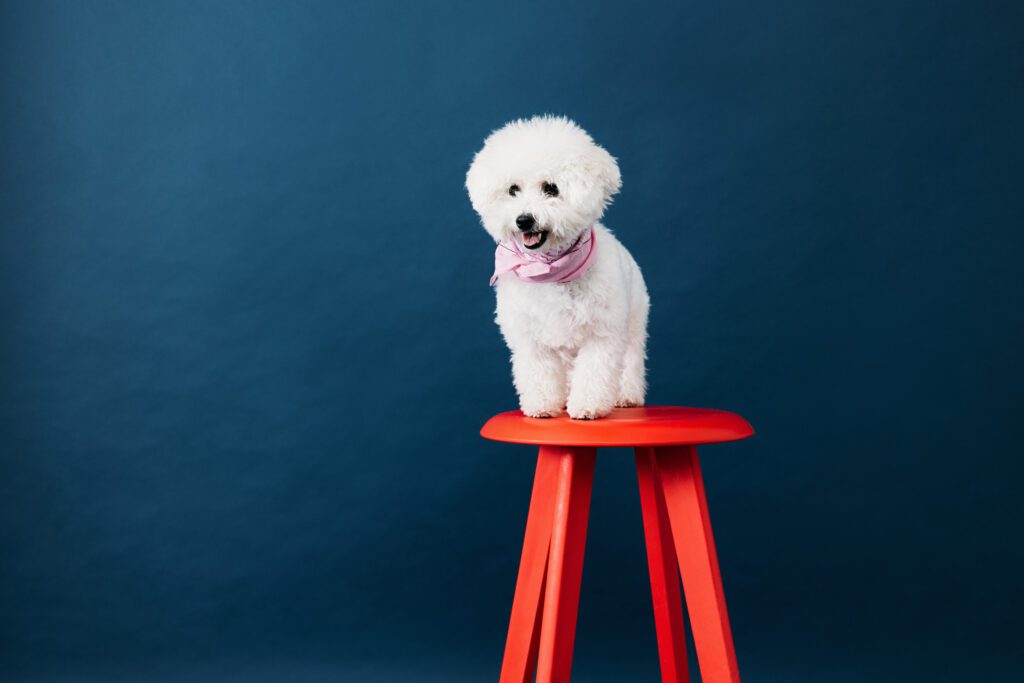
The ideal Bichon Frise adopter enjoys close companionship and steady routines. People who work from home, retirees, and families with respectful children often do well with this affectionate breed. Consistent brushing, regular professional grooming, daily walks, and playtime are essential parts of the week.
Take your time, prepare your home, and ask detailed questions about health and behavior. Gather supplies like a well-fitted harness, a crate, grooming tools, and chew-safe toys before pickup day. Use Dog Academy to compare adoptable Bichon Frises across New Hampshire and to follow expert checklists. Careful research and patient training will help you welcome a happy Bichon Frise that fits your lifestyle for years to come.

Introducing a new puppy to your current dog is often an exciting process, and many dogs will become fast friends and eas...
Read More
Rescue dogs can make great companions and can transform your home into something better. These dogs make great pets and ...
Read More
You should never rush to pet a dog. Even dog owners make the mistake of approaching unfamiliar dogs and petting them rig...
Read More
Puppy mill dogs are survivors who have endured extreme hardships in their lives. They have grown up in horrendous, unsan...
Read More
With their wagging tails and comforting presence, adopting a dog can add a unique touch to your life. It’s a heart...
Read More
Older dogs may have a few gray hairs around the edges, but that doesn’t mean they can’t make wonderful companions! T...
Read More