























































































































Introducing a new puppy to your current dog is often an exciting process, and many dogs will become fast friends and eas...
Read MoreAdopt Me

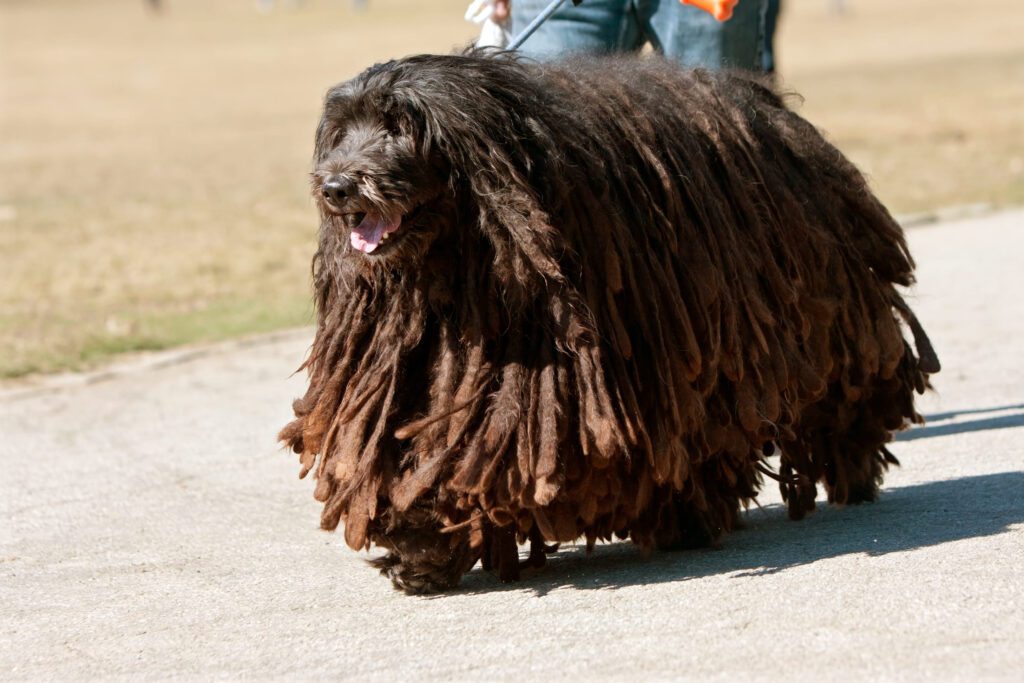
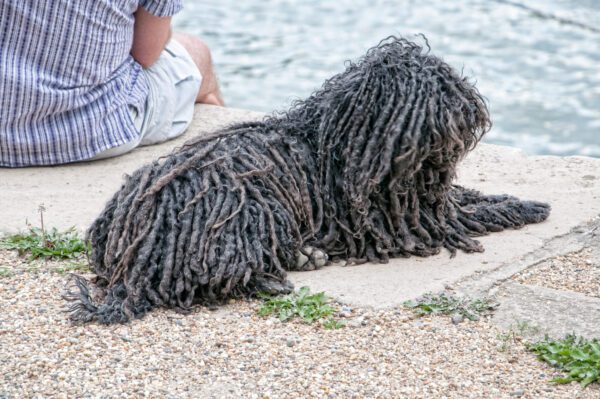
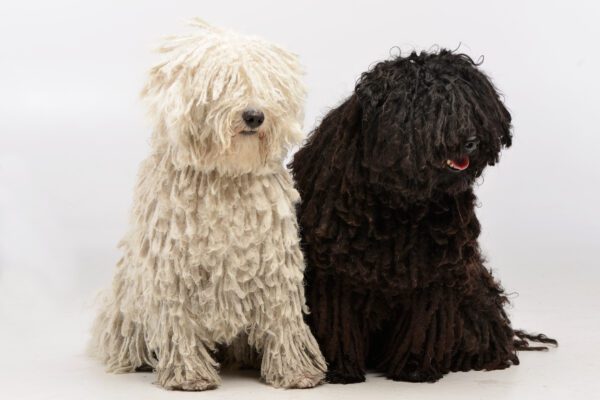
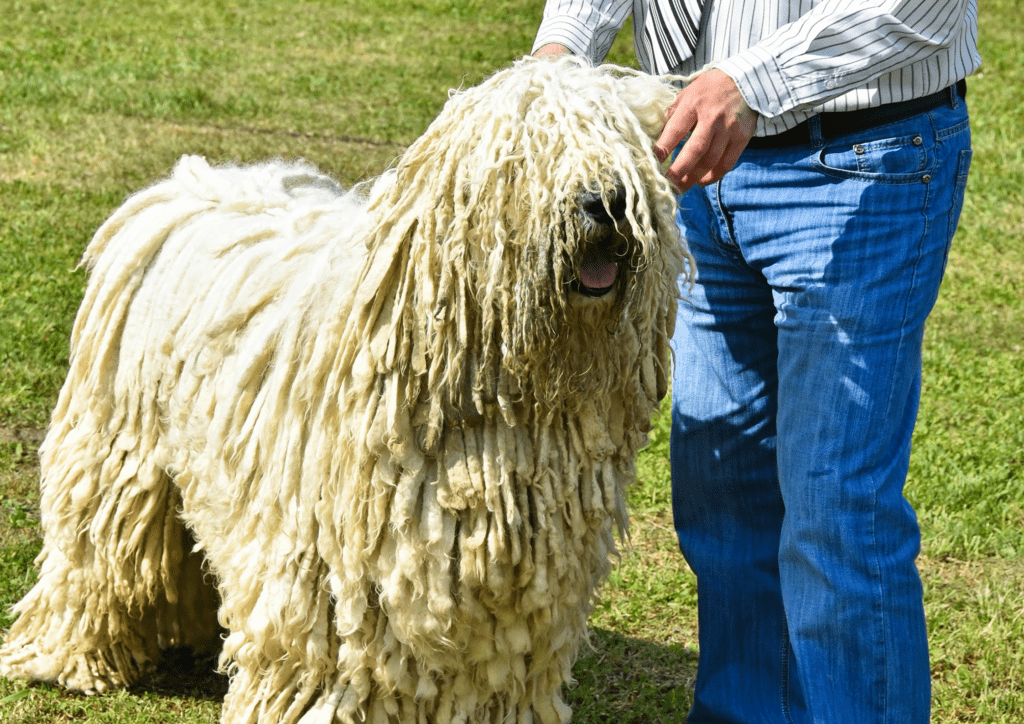
The Komondor is a powerful livestock guardian known for devotion, calm confidence, and a distinctive corded coat. This breed bonds deeply with family and remains watchful with strangers. A Komondor is independent, intelligent, and protective, which makes early training and socialization essential. The coat sheds minimally but requires committed care to keep cords clean, healthy, and odor free.
Research matters before adoption. A well-matched Komondor can thrive, while a mismatch can create stress for the dog and the household. Adoption is often preferable to buying because it supports animal welfare, provides transparency about temperament and history, and often includes post-adoption guidance. New Hampshire’s cold winters suit the Komondor’s insulating coat. Humid summers require heat management, shade, air conditioning, and limited midday exercise to prevent overheating.
New Hampshire offers rural properties, hiking access, and quiet neighborhoods that suit a large guardian needing space and structure. A Komondor does best with a secure fenced yard, consistent routines, and mindful introductions to visitors. City living can work when daily exercise, mental enrichment, and careful management of door greetings and barking are part of the plan. Mud, snow, and salt require diligent coat care and thorough drying after outings.
You can skip searching rescues and shelters one by one by starting with Dog Academy. The adoption listings centralize available dogs and provide filters for location, size, and age, which helps you save time. You can also use Dog Academy’s educational guides and adoption checklists to understand breed needs and prepare your home before you apply.
Because Komondors are rare, you may need to cast a wider net. Check local animal shelters, regional rescues, and breed-specific rescue groups, and ask about foster-based programs that evaluate dogs in home settings. Widening your search across New England increases the chance of finding an adult Komondor or a Komondor mix that fits your lifestyle.
The process usually starts with browsing listings that outline age, weight, medical updates, and temperament notes. You then submit an application that may request personal references, veterinary history, and landlord approval when you rent. An adoption counselor typically schedules a call to discuss the dog’s needs, your daily routine, and your experience with large guardian breeds. Meet-and-greets follow, which often take place on neutral ground and can include resident dogs to check compatibility.
Many organizations complete a home check to confirm secure fencing, safe containment plans, and a quiet decompression area for the first days at home. Approval timelines vary by organization and your responsiveness, but 1 to 4 weeks is common from application to adoption. Some groups offer a foster-to-adopt period that lets you confirm the match before finalizing. If the right dog is located outside New Hampshire, rescues sometimes arrange transport between locations to move dogs from overburdened shelters to approved adopters. Transport typically includes a health certificate, confirmed pickup points, and either volunteer drivers or licensed carriers, and adopters may pay a modest transport fee.
|
How Much Does It Cost to Adopt a Komondor in New Hampshire?Most adopters in New Hampshire can expect a Komondor or Komondor mix to cost about $350 to $650. Adults usually fall near $350 to $500, while puppies and young adolescents often range from $500 to $650 because they receive more preventive care and demand is higher. Fees reflect veterinary care already provided, which commonly includes spaying or neutering, vaccinations, microchipping, and veterinary exams. Costs change with age, training, medical history, and demand. A dog that received dental work, specialized skin care, or extensive grooming before adoption may fall at the higher end. A dog that completed basic training or behavior work may also cost more because training reduces risk for first-time transitions. Some organizations receive donations that lower fees for seniors or special-needs dogs, which helps the right adopter step forward. |
How Should I Train a Komondor?The Komondor is bright and independent. This breed works best with clear rules, calm leadership, and generous rewards. Early socialization teaches the dog to remain confident around visitors, other dogs, and new environments. Focus on foundation skills that matter for a guardian breed, including recall, loose-leash walking, boundary training at doors and gates, and a reliable settle cue. Reward quiet behavior and teach a cue for quiet so you can manage watchdog barking. Cooperative care is vital for the corded coat. Teach your dog to stand calmly for handling, ear care, nail trims, bathing, and thorough drying. Use short, positive sessions and reward relaxation. Provide daily mental enrichment through scent games, problem-solving toys, and obedience practice to channel instinct with structure. If you want step-by-step support, explore Dog Academy’s online training courses for impulse control, obedience basics, and calm greetings that fit a Komondor’s temperament. |
|
The ideal Komondor owner is patient, consistent, and comfortable guiding a large guardian. A secure fenced yard, time for daily exercise, and a commitment to grooming and training set the stage for success. Families in New Hampshire who enjoy outdoor time in cooler seasons and who can manage summer heat do well with this breed.
Prepare your home, gather supplies, and map out a training and grooming plan before adoption day. Take your time, ask detailed questions, and choose the dog whose energy, history, and needs match your lifestyle. When you are ready to adopt a Komondor in New Hampshire, use the tools and listings from Dog Academy to make a thoughtful, informed match.
Introducing a new puppy to your current dog is often an exciting process, and many dogs will become fast friends and eas...
Read More
Rescue dogs can make great companions and can transform your home into something better. These dogs make great pets and ...
Read More
You should never rush to pet a dog. Even dog owners make the mistake of approaching unfamiliar dogs and petting them rig...
Read More
Puppy mill dogs are survivors who have endured extreme hardships in their lives. They have grown up in horrendous, unsan...
Read More
With their wagging tails and comforting presence, adopting a dog can add a unique touch to your life. It’s a heart...
Read More
Older dogs may have a few gray hairs around the edges, but that doesn’t mean they can’t make wonderful companions! T...
Read More