

























































































































































































Introducing a new puppy to your current dog is often an exciting process, and many dogs will become fast friends and eas...
Read MoreAdopt Me

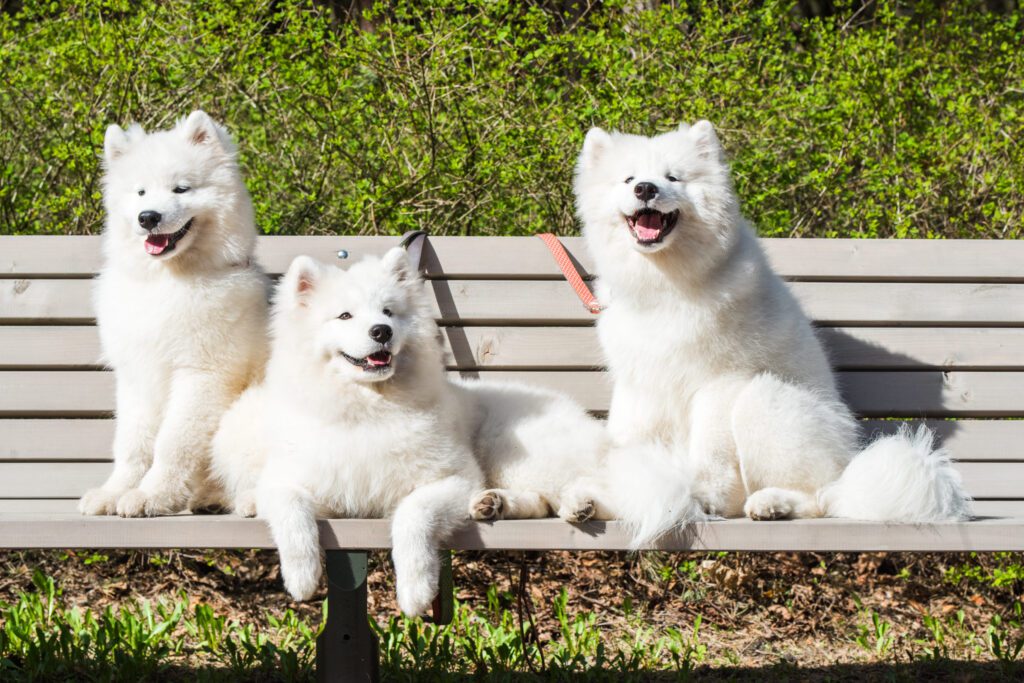

The Samoyed is a bright, affectionate, and resilient dog that loves people and thrives on teamwork. The plush white coat, smiling expression, and cheerful energy make this breed a favorite for families who want an active and social companion. A Samoyed enjoys being part of daily life and stays happiest when the dog has a job to do, even if that job is playing fetch or joining a brisk walk.
Careful research matters before you adopt a Samoyed. Adoption gives a deserving dog a second chance, often includes essential veterinary care, and supports responsible placement. New Hampshire offers a strong match for the breed because the cold winters suit the thick double coat. Summers in New Hampshire can be warm and humid, so a Samoyed needs shade, fresh water, and smart scheduling for exercise during cooler hours.
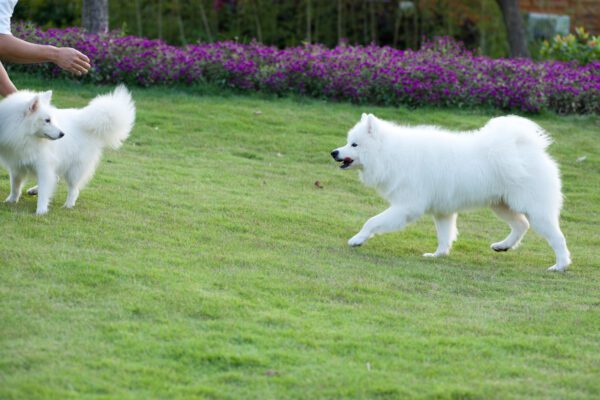
Geography in New Hampshire invites outdoor adventures that a Samoyed will love. Forest trails and mountain paths provide room to explore, yet owners must plan for safe recalls and secure leashes due to wildlife and distraction. The ideal home provides daily exercise, consistent training, time for coat care, and attention throughout the day. A Samoyed does not do well with long stretches of isolation because the breed bonds closely with people.
You can skip searching multiple sites by starting with Dog Academy. The adoption listings allow you to browse available Samoyeds, filter by location, and learn about each dog’s history in one place. Dog Academy also provides clear educational guides and adoption checklists that help you prepare your home, your schedule, and your budget. You can also check local animal shelters, regional rescues, and breed-specific rescue groups across New England for additional options.
Begin by browsing listings and reading each profile carefully. Look for notes on age, energy level, grooming needs, and any medical updates. When you find a good match, submit an inquiry to confirm availability and to ask questions about temperament, activity level, and suitability for your household.
Most applications request personal references, proof of identification, and veterinary information if you have a current or previous pet. Renters usually need written landlord approval that confirms pet policies, weight limits, and any deposit requirements. Clear answers about your daily routine, exercise plans, training approach, and grooming schedule help reviewers understand your fit for a Samoyed.
Meet-and-greets often happen at the shelter, at an adoption event, or by appointment with a foster caregiver. Many groups conduct home checks to ensure safe fencing, secure doors, and a setup that meets the dog’s needs. Some checks use live video when an in-person visit is not possible. Approval timelines vary by organization, but many shelters finalize adoptions within 1 to 7 days, while breed-focused rescues may take 1 to 3 weeks due to reference checks and matching.
Adoptable Samoyeds may be located outside your immediate area. Rescues sometimes arrange transport to move dogs between locations when a strong match is found. Transport typically involves volunteer drivers or licensed carriers who coordinate safe, scheduled travel so the dog arrives with proper paperwork and clear handoff instructions.
|
How Much Does It Cost to Adopt a Samoyed in New Hampshire?Most adopters in New Hampshire can expect fees between $350 and $700 for a Samoyed, with well-vetted puppies often ranging from $700 to $800. The range reflects the high demand for the breed in the region, the cost of comprehensive veterinary care, and the added grooming and evaluation that many groups provide before placement. Age, training, medical history, and demand influence pricing. Young dogs and puppies usually cost more because they receive more applications and require early care. Well-mannered adults with documented training can also be in higher demand. Fees typically include spaying or neutering, vaccinations, microchipping, and veterinary exams. Many organizations also provide heartworm testing, flea and tick prevention, and deworming, which add value to the adoption fee by reducing your initial out-of-pocket costs. |
How Should I Train a Samoyed?A Samoyed is smart, people-focused, and eager to learn when training stays fun and consistent. The breed can be independent because of its working heritage, so short sessions, clear cues, and high-value rewards work best. Positive reinforcement builds trust and motivation, and it helps prevent frustration for both dog and handler. A Samoyed may bark to communicate or to manage excitement, so teach a quiet cue and reward calm behavior during exciting moments. Early socialization sets the tone for a confident and polite companion. Practice loose-leash walking, reliable recalls, and impulse control around wildlife and outdoor distractions. Crate training and mat training support relaxation at home, while handling exercises help your dog accept brushing and nail care. For step-by-step help tailored to this breed’s energy and sensitivity, explore Dog Academy’s online training courses, which guide you through foundation skills, enrichment, and cooperative grooming. |
|
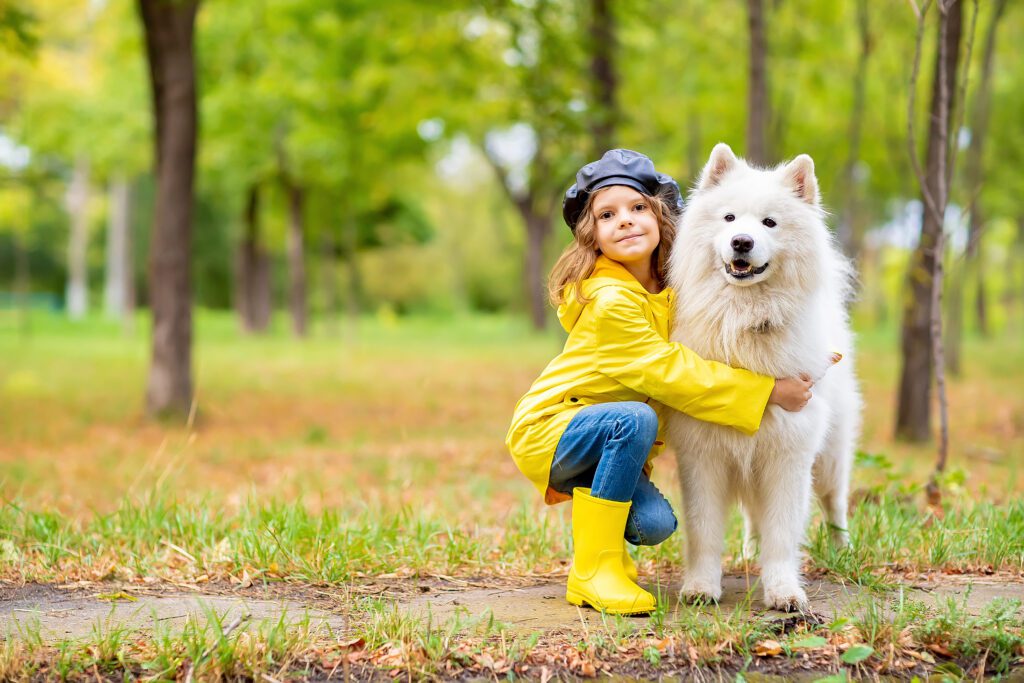
The ideal owner enjoys daily activity, keeps a steady routine, and commits to coat care and training. A Samoyed thrives with people who prioritize exercise, mental stimulation, and time together. Preparation matters because this breed needs consistent guidance and safe outlets for energy.
Take your time, ask detailed questions, and make sure the match fits your lifestyle and climate. Use Dog Academy resources to research, to plan, and to build skills so your new Samoyed can settle in with confidence. With patience and preparation, you can adopt a Samoyed in New Hampshire and welcome a joyful companion into your life.

Introducing a new puppy to your current dog is often an exciting process, and many dogs will become fast friends and eas...
Read More
Rescue dogs can make great companions and can transform your home into something better. These dogs make great pets and ...
Read More
You should never rush to pet a dog. Even dog owners make the mistake of approaching unfamiliar dogs and petting them rig...
Read More
Puppy mill dogs are survivors who have endured extreme hardships in their lives. They have grown up in horrendous, unsan...
Read More
With their wagging tails and comforting presence, adopting a dog can add a unique touch to your life. It’s a heart...
Read More
Older dogs may have a few gray hairs around the edges, but that doesn’t mean they can’t make wonderful companions! T...
Read More