






















































































































































































Introducing a new puppy to your current dog is often an exciting process, and many dogs will become fast friends and eas...
Read MoreAdopt Me


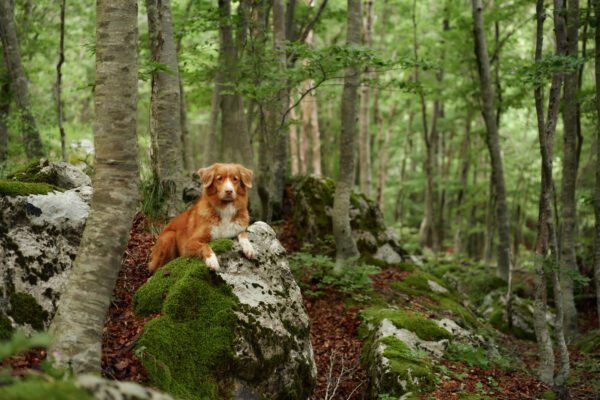
The Nova Scotia Duck Tolling Retriever is a bright, athletic, and affectionate companion. This medium retriever loves water, thrives on games, and bonds deeply with a patient owner. A Toller brings lively energy, a quick mind, and a warm heart to a home that enjoys daily activity and time outdoors.
Research matters before you bring any dog home. Tollers need consistent exercise, problem solving, and clear routines. Adoption is a kind choice because it opens space for another dog in need and it often includes helpful veterinary records and behavior notes. When you adopt, you gain support from experienced volunteers who want your match to succeed.
New Hampshire offers four-season fun that suits a Toller. The state’s cold winters fit the breed’s weather-resistant double coat, and its lakes, forests, and trails invite year-round adventures. Snow, mud, and seasonal shedding require steady grooming. Summer humidity means you should plan shaded walks and water breaks. City living or rural life can both work in New Hampshire when you commit to daily exercise, training, and mental enrichment.
You can avoid searching rescues and shelters one by one by starting at Dog Academy. You can browse updated adoption listings, filter by breed and location, and follow clear steps that move you from interest to application. You can also review educational guides and adoption checklists that help you prepare your home and your schedule.
You can also look for Tollers through local animal shelters, regional rescues, and breed-specific rescue groups. If the right dog is not located in your town, rescues sometimes arrange transport between locations. Transport is often arranged by rescues to move dogs between states using vetted drivers or licensed carriers, and the group typically provides required health certificates for interstate travel.
The process usually begins by browsing listings and reading full bios. When you find a possible match, you submit an application that explains your lifestyle, experience, schedule, and veterinary history. Many groups ask for references and landlord approval if you rent. Response times vary by the number of applicants and volunteer capacity.
Next steps often include a phone interview, a meet-and-greet, and a home check. A meet-and-greet allows you to confirm fit with all household members and any resident pets. A home check confirms safety and readiness, including secure fencing or a clear plan for leashed walks. Approval timelines range from several days to a few weeks based on the dog’s needs, your responsiveness, and the group’s review process. Final adoption includes signing a contract, paying the fee, and scheduling a pickup date that sets your new dog up for success.
|
How Much Does It Cost to Adopt a Nova Scotia Duck Tolling Retriever in New Hampshire?In New Hampshire, a realistic adoption fee for a Nova Scotia Duck Tolling Retriever typically ranges from $350 to $650. Puppies and popular young adults often sit at the higher end due to demand, while seniors or dogs with special medical needs may be lower. Fees reflect prior medical care, training investment, and transport costs when applicable. Adoption fees often cover spaying or neutering, vaccinations, microchipping, and veterinary exams. Many groups also include deworming, heartworm testing, flea and tick prevention, and a starter supply of food or medication. Costs can shift if a dog received advanced medical treatment or completed professional training, and timing can change if transport is needed to move the dog into New Hampshire. |
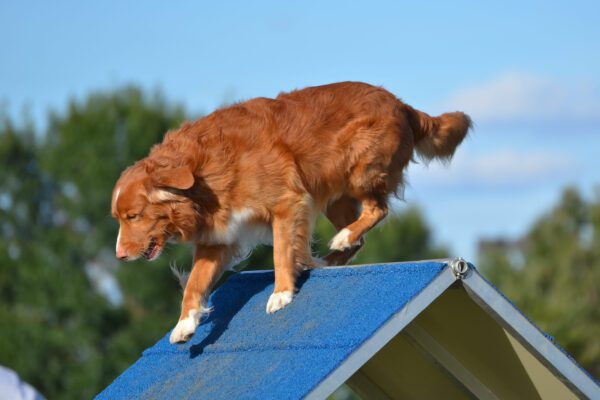
How Should I Train a Nova Scotia Duck Tolling Retriever?Tollers are intelligent, eager, and sensitive, which makes training rewarding and fast when you use positive reinforcement. Keep sessions short, upbeat, and clear. Rotate skills like recall, loose-leash walking, and impulse control to keep your dog engaged. Channel the natural retrieving drive with structured fetch, water work, and scent games to prevent frustration and boredom. Common challenges include alert barking, mouthy play, jumping, and chasing wildlife. You can address these behaviors with daily aerobic exercise, mental enrichment, and consistent cues. Crate training helps with rest and safety. Early and ongoing socialization builds confidence in new places and around unfamiliar dogs. For step-by-step guidance you can use Dog Academy’s online training courses, which teach practical skills for focus, manners, and reliable recall in real-world settings. |

|
The ideal adopter enjoys daily activity, clear routines, and time for training. A Toller fits an owner or family that loves hikes, lakeside outings, and brain games as much as cuddle time at home. Preparation matters, which means gathering supplies, setting a schedule, and confirming a plan for exercise and grooming before pickup.
Take time to research, ask questions, and meet more than one dog. You can adopt a Nova Scotia Duck Tolling Retriever in New Hampshire with confidence when you match energy levels, training goals, and lifestyle. Start with careful planning, use trusted resources, and let your decision be guided by patience and compassion so your new companion can thrive.

Introducing a new puppy to your current dog is often an exciting process, and many dogs will become fast friends and eas...
Read More
Rescue dogs can make great companions and can transform your home into something better. These dogs make great pets and ...
Read More
You should never rush to pet a dog. Even dog owners make the mistake of approaching unfamiliar dogs and petting them rig...
Read More
Puppy mill dogs are survivors who have endured extreme hardships in their lives. They have grown up in horrendous, unsan...
Read More
With their wagging tails and comforting presence, adopting a dog can add a unique touch to your life. It’s a heart...
Read More
Older dogs may have a few gray hairs around the edges, but that doesn’t mean they can’t make wonderful companions! T...
Read More