

























































































































































































Introducing a new puppy to your current dog is often an exciting process, and many dogs will become fast friends and eas...
Read MoreAdopt Me



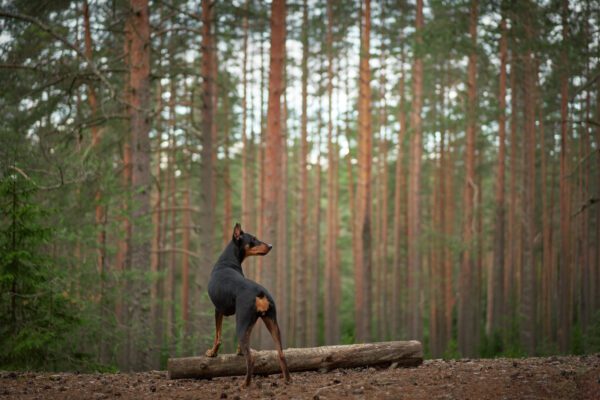
The German Pinscher is a lively, medium-sized companion who blends athletic drive with sharp intelligence. This breed bonds closely with family, stays alert without being noisy, and enjoys purposeful activities. Many people love the German Pinscher for its confident personality, sleek coat, and spirited nature. The breed thrives when it works, learns, and moves every day.
Good research protects both you and the dog. Understanding energy levels, exercise needs, and temperament helps you choose a match that fits your routine. Adoption gives a dog a second chance and helps responsible groups continue lifesaving work. You gain a dog with known history and post-adoption support, which often makes the transition smoother than buying from unknown sources.
New Hampshire offers a strong fit for active owners who enjoy trails, small-city living, or rural life. The state’s cold winters require planning because the breed’s short coat does not insulate well. A winter jacket, paw protection, and reduced outdoor exposure during extreme cold keep the dog comfortable. Summers are moderate and invite hiking, training outdoors, and visits to open spaces. Apartments can work when you commit to daily exercise, mental enrichment, and reliable leash skills.
You can skip searching shelters and rescues one by one by starting with Dog Academy. You can browse current adoption listings, learn what to expect with this breed, and use step-by-step adoption checklists. You can save time, compare options, and prepare your household before you apply.
Available German Pinschers may appear through local animal shelters, regional rescues, and breed-specific rescue groups. Some dogs live in foster homes, which means you can learn about behavior in a home setting. If you do not see a match right away, you can set alerts, check nearby states, or ask about dogs that match your skills and schedule.
The process starts with browsing listings and reading each profile in full. You then submit an application that confirms your experience, daily routine, and housing details. Groups often request references and landlord approval for renters. Many will schedule a meet-and-greet so you can see the dog’s behavior in real time. Some require introductions with all household members and any resident dogs. Home checks may be virtual or in person to confirm safe fencing, secure storage for supplies, and space for rest. Approval timelines often range from 1 to 3 weeks, which depends on your responsiveness and the group’s screening steps.
After approval, you sign an adoption agreement that explains care standards, return policies, and medical records. You provide payment and a government-issued ID. Some groups offer a short trial period to support a careful match. If the right dog is outside your area, rescues sometimes arrange transport to move dogs between states using volunteer drivers or licensed carriers. Transport adds coordination time and may involve a separate fee that covers fuel, tolls, and care during the trip.
|
How Much Does It Cost to Adopt a German Pinscher in New Hampshire?In New Hampshire, the typical adoption fee for a German Pinscher ranges from $250 to $550. Younger dogs and puppies often sit at the higher end because demand is strong and early medical care is more extensive. Adult dogs with basic training may fall near the middle. Seniors may cost less when groups want to encourage placement. Fees generally reflect spaying or neutering, vaccinations, microchipping, and veterinary exams. Costs can also increase when a dog needs dental work, specialized medication, or professional behavior support. Availability in the region also affects pricing because the breed is less common in New England. If a dog arrives through an out-of-state partner, you may see an additional transport fee of about $75 to $200, which covers coordination and travel. Training investments by the rescue, such as leash work or crate conditioning, can also influence the final fee. |
How Should I Train a German Pinscher?The German Pinscher learns quickly and enjoys problem-solving. Clear structure, short sessions, and frequent rewards produce fast results. Positive reinforcement builds trust and channels natural drive into desirable behaviors. Focus on name recognition, recall, loose-leash walking, and reliable settle on a mat. Add daily enrichment with nose work, puzzle feeders, and short obedience games to keep the mind engaged. Common challenges include impulse control, chasing small animals, and pushy greetings. Prevent rehearsals of unwanted behavior with management and early socialization. Reward calm choices, practice handling exercises, and proof behaviors in new places. For step-by-step guidance, enroll in Dog Academy’s online training courses. You can follow clear plans for foundation skills, impulse control, crate training, and polite leash manners that fit busy New Hampshire schedules. |
|
The ideal adopter enjoys daily activity, values structure, and wants a partner for training and adventures. A German Pinscher needs consistent exercise, clear rules, and kind leadership. Families with children can succeed when adults manage interactions, teach calm handling, and provide routine.
Set yourself up for success with research, preparation, and patience. Gather supplies, plan a vet visit, and create a quiet decompression space at home. Take your time, ask detailed questions, and wait for the right fit. With thoughtful planning and the support of Dog Academy resources, you can adopt a German Pinscher in New Hampshire and welcome a confident, energetic companion into your life.

Introducing a new puppy to your current dog is often an exciting process, and many dogs will become fast friends and eas...
Read More
Rescue dogs can make great companions and can transform your home into something better. These dogs make great pets and ...
Read More
You should never rush to pet a dog. Even dog owners make the mistake of approaching unfamiliar dogs and petting them rig...
Read More
Puppy mill dogs are survivors who have endured extreme hardships in their lives. They have grown up in horrendous, unsan...
Read More
With their wagging tails and comforting presence, adopting a dog can add a unique touch to your life. It’s a heart...
Read More
Older dogs may have a few gray hairs around the edges, but that doesn’t mean they can’t make wonderful companions! T...
Read More