

























































































































































































Introducing a new puppy to your current dog is often an exciting process, and many dogs will become fast friends and eas...
Read MoreAdopt Me
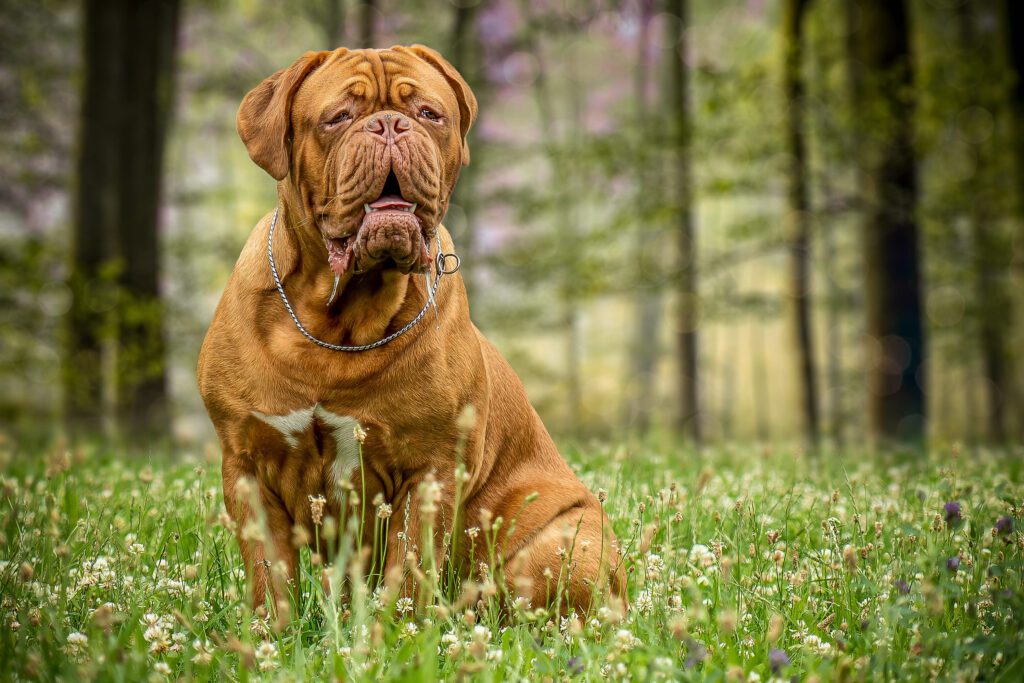



The Dogue De Bordeaux is a powerful yet affectionate guardian that forms deep bonds with family. This giant companion stays calm in the home, shows gentle patience with people it trusts, and thrives when it receives steady guidance. Thoughtful research matters because this breed carries substantial strength, matures slowly, and needs careful management of exercise and heat. Adoption gives a deserving dog a second chance, supports ethical rehoming, and often includes essential veterinary care that helps you start strong.
Nebraska offers wide open spaces and a relaxed pace that suit a large, steady dog. Hot, humid summers in the eastern plains and windy days across the state can tax a Dogue De Bordeaux, which overheats easily. Winters bring snow and ice that call for short walks, paw care, and warm indoor rest. Families who enjoy quiet evenings, short daily outings, and indoor togetherness often find this breed a great fit in both cities and small towns across Nebraska.
Choosing adoption over buying reduces demand for irresponsible breeding while connecting you with a dog whose temperament and needs are already better understood. A Dogue De Bordeaux does best with consistent routines, moderate activity, and a calm household. Nebraska’s mix of urban neighborhoods and rural properties can meet these needs when owners plan for climate, secure fencing, and safe transport to veterinary care.
You can avoid searching rescues and shelters separately by using Dog Academy to browse current adoption listings in one place. You can filter by location and preferences, then read profiles that explain each dog’s age, size, temperament, and medical history. You can also explore adoption checklists and educational guides from Dog Academy to prepare your home and family before you submit an application.
In Nebraska, adoptable Dogue De Bordeaux dogs may appear at local animal shelters, regional rescues, or breed-specific rescue groups that serve multiple states. Some organizations accept applications before a specific dog becomes available so that you can complete screening early. Rescues sometimes arrange transport with volunteer drivers or professional carriers to move dogs between locations when a safe, approved home is ready in Nebraska.
The process typically begins with browsing listings and asking questions to confirm fit. Next, you complete an application that covers your experience with large breeds, your household setup, your schedule, and your veterinary plan. Many groups request personal references, a landlord check for renters, and proof of a fenced yard or a safe exercise plan. A virtual or in-person home check verifies that spaces are secure, that supplies are ready, and that the dog can rest comfortably.
After approval, you schedule meet-and-greets to see how the dog responds to you and to any resident pets. A counselor explains behavior notes, health records, and transition steps. Some groups offer a trial adoption period to support a smooth handoff. Approval timelines vary by organization and by how quickly references and home checks are completed, though many Nebraska adopters move from application to adoption in 1 to 4 weeks.
|
How Much Does It Cost to Adopt a Dogue De Bordeaux in Nebraska?In Nebraska, a realistic adoption fee for a Dogue De Bordeaux usually ranges from $250 to $500. Puppies and high-demand young adults can reach $600 to $700 when recent medical care and training are significant. Seniors or dogs with special needs may be lower, often near $150 to $250, when organizations aim to remove cost barriers for committed adopters. Age, training level, medical history, and local demand all influence the final fee. Adoption fees typically include spaying or neutering, vaccinations, microchipping, and veterinary exams. Fees may also reflect dental cleanings, specialized medications, or orthopedic evaluations common in giant breeds. When you review a listing, you should ask for an itemized overview of what the fee covers so that you understand both the value and any follow-up care you should plan. |
How Should I Train a Dogue De Bordeaux?The Dogue De Bordeaux is intelligent and loyal, yet it can be independent. Training succeeds when you keep sessions short, upbeat, and consistent. Positive reinforcement builds trust with a sensitive guardian breed and reduces pushback. Early socialization, polite leash skills, doorway manners, and calm greetings prevent problems as this powerful dog matures. Common challenges include pulling, selective listening, and protective alerting. You can address these with rewards-based practice that teaches focus, impulse control, and reliable recalls. Cooperative care is essential for a giant breed, which benefits from calm handling for nail trims, ear cleaning, and veterinary visits. You can build a strong foundation with Dog Academy’s online training courses, which provide step-by-step lessons you can apply at home to raise a confident, well-mannered companion. |
|
The ideal adopter is patient, safety-minded, and ready to guide a large guardian with kindness. A secure yard, a quiet routine, and the willingness to manage heat and cold help this breed thrive in Nebraska. Families that enjoy short walks, relaxed evenings, and regular grooming can meet this dog’s needs while savoring its affectionate nature.
Preparation sets you up for success. Gather supplies, schedule a trusted veterinarian, and plan a slow introduction to your home. Take time to research, ask questions, and meet more than one dog if needed. When you move thoughtfully, you can adopt a Dogue De Bordeaux in Nebraska and welcome a steady, loving companion who fits your life for years to come.

Introducing a new puppy to your current dog is often an exciting process, and many dogs will become fast friends and eas...
Read More
Rescue dogs can make great companions and can transform your home into something better. These dogs make great pets and ...
Read More
You should never rush to pet a dog. Even dog owners make the mistake of approaching unfamiliar dogs and petting them rig...
Read More
Puppy mill dogs are survivors who have endured extreme hardships in their lives. They have grown up in horrendous, unsan...
Read More
With their wagging tails and comforting presence, adopting a dog can add a unique touch to your life. It’s a heart...
Read More
Older dogs may have a few gray hairs around the edges, but that doesn’t mean they can’t make wonderful companions! T...
Read More