




























































































































































































Introducing a new puppy to your current dog is often an exciting process, and many dogs will become fast friends and eas...
Read MoreAdopt Me

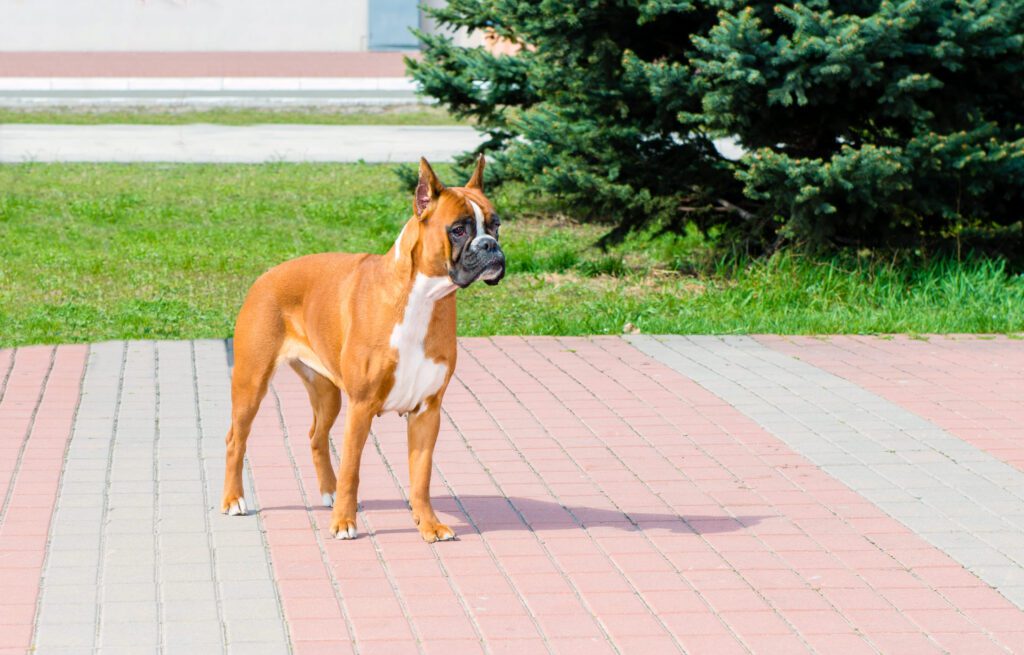

Boxers are athletic, affectionate, and famously playful. The breed thrives with families that enjoy daily activity and consistent companionship. A Boxer brings cheerful energy, loyal devotion, and a protective heart that suits people who want a true partner for adventures and downtime alike.
Thoughtful research sets every adoption up for success. A prospective adopter should understand exercise needs, training goals, and common health considerations before bringing a Boxer home. Adoption is often preferable to buying because it gives a deserving dog a second chance, supports responsible care standards, and often includes post-adoption guidance that helps the transition feel smooth and safe.
Nebraska’s climate brings hot summers, cold winters, and strong winds across open plains. A Boxer has a short coat and a short muzzle, which means heat management and winter warmth both matter. Early morning or evening walks help during summer heat, and a fitted jacket helps during winter cold. Nebraska’s wide-open spaces invite energetic play, while larger towns provide training resources and dog-friendly amenities. A balanced plan that mixes outdoor exercise with indoor enrichment helps a Boxer thrive in every season.
You can skip searching shelters and rescues one by one by starting with Dog Academy. Dog Academy offers adoption listings that gather opportunities in one place, and the site provides helpful educational guides and adoption checklists that explain each step. This centralized approach saves time and keeps your search organized from the first click to the final signature.
Adoptable Boxers in Nebraska appear through local animal shelters, regional rescues, breed-specific rescue groups, and foster-based networks. Foster-based networks place dogs in volunteer homes while they wait for adopters, which allows the caretakers to learn each dog’s personality in a home setting. Reading full profiles helps you match energy level, training history, and medical needs to your lifestyle.
The process begins with browsing listings and selecting dogs that fit your household and routine. An application usually follows, and it often asks about experience with dogs, daily schedule, home setup, and veterinary references. Renters are usually asked for landlord approval. Initial application reviews often take 3 to 7 days, and the full process commonly takes 1 to 2 weeks, though timelines can move faster or slower depending on the dog and the number of applicants.
Next steps often include a meet-and-greet, which allows everyone to confirm a good fit. A home check may take place in person or by video to confirm safety, fencing, and household readiness. Some groups offer a trial period to ensure the match feels right for both the dog and the family. If you live far from the dog, rescues sometimes arrange transport to move dogs between locations. Transport is coordinated travel that uses volunteer drivers or professional carriers to move a dog safely from one area to another so adopters can meet and finalize the adoption.
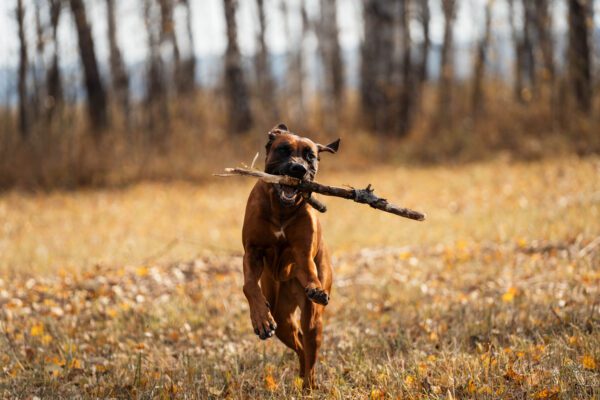
Understanding the breed’s needs improves every stage of the process. A Boxer needs daily exercise, positive training, and steady companionship. Clear communication with the shelter or rescue about your routine and goals helps everyone support a lasting match.
|
How Much Does It Cost to Adopt a Boxer in Nebraska?In Nebraska, adoption fees for a Boxer usually range from $200 to $400 for most adults and from $300 to $550 for most puppies. The exact fee depends on age, training, medical care, and demand. Puppies and young adults tend to cost more because of higher demand and recent veterinary work. Dogs that arrive with advanced training or that receive extensive medical care can also carry higher fees to cover expenses. Most adoption fees include spaying or neutering, vaccinations, microchipping, and veterinary exams. Many groups also provide deworming, heartworm testing, and a starter supply of preventatives. These services lower your initial costs and help your new Boxer start life with you in good health. |
How Should I Train a Boxer?Boxers are intelligent, eager, and deeply people-oriented. The breed learns quickly with clear guidance and upbeat sessions. Positive reinforcement builds focus and enthusiasm while reducing pushy behaviors. Short sessions, consistent cues, and generous rewards help a Boxer channel energy into good habits. Common early goals include polite greetings, impulse control, and loose-leash walking. Structured training supports success in Nebraska’s varied environments. Practice recalls in open spaces, build calm behavior on windy days, and strengthen focus around wildlife or busy sidewalks. Crate training and place training give your dog a predictable routine that reduces restlessness. You can follow a complete plan through Dog Academy’s online training courses, which offer step-by-step lessons for obedience, impulse control, socialization, and enrichment. |

|
The ideal Nebraska home for a Boxer offers daily exercise, patient training, and steady companionship. Active individuals and families who enjoy walks, play, and mental games will find a joyful partner in this breed. A secure yard is helpful, and a reliable routine keeps energy in balance.
Preparation makes adoption feel smooth and rewarding. Gather supplies, plan a training schedule, and set clear house rules before your dog arrives. Take your time, ask questions, and choose the Boxer that fits your lifestyle. With thoughtful research and careful matching, you will bring home a devoted friend who thrives in Nebraska’s wide-open heartland.

Introducing a new puppy to your current dog is often an exciting process, and many dogs will become fast friends and eas...
Read More
Rescue dogs can make great companions and can transform your home into something better. These dogs make great pets and ...
Read More
You should never rush to pet a dog. Even dog owners make the mistake of approaching unfamiliar dogs and petting them rig...
Read More
Puppy mill dogs are survivors who have endured extreme hardships in their lives. They have grown up in horrendous, unsan...
Read More
With their wagging tails and comforting presence, adopting a dog can add a unique touch to your life. It’s a heart...
Read More
Older dogs may have a few gray hairs around the edges, but that doesn’t mean they can’t make wonderful companions! T...
Read More