


























































































































































































Introducing a new puppy to your current dog is often an exciting process, and many dogs will become fast friends and eas...
Read MoreAdopt Me

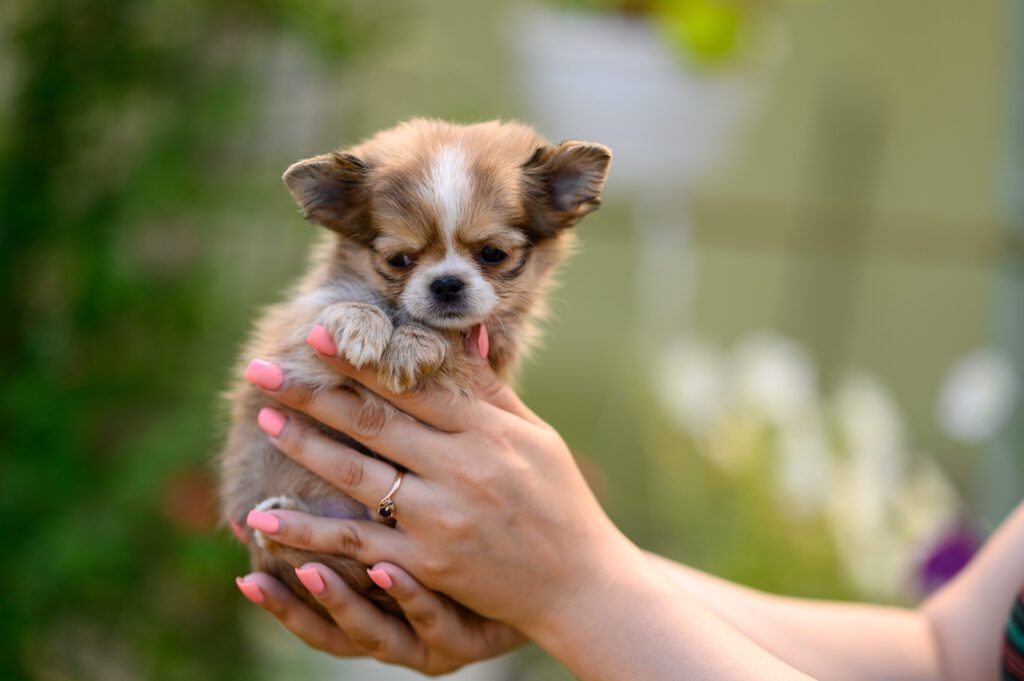

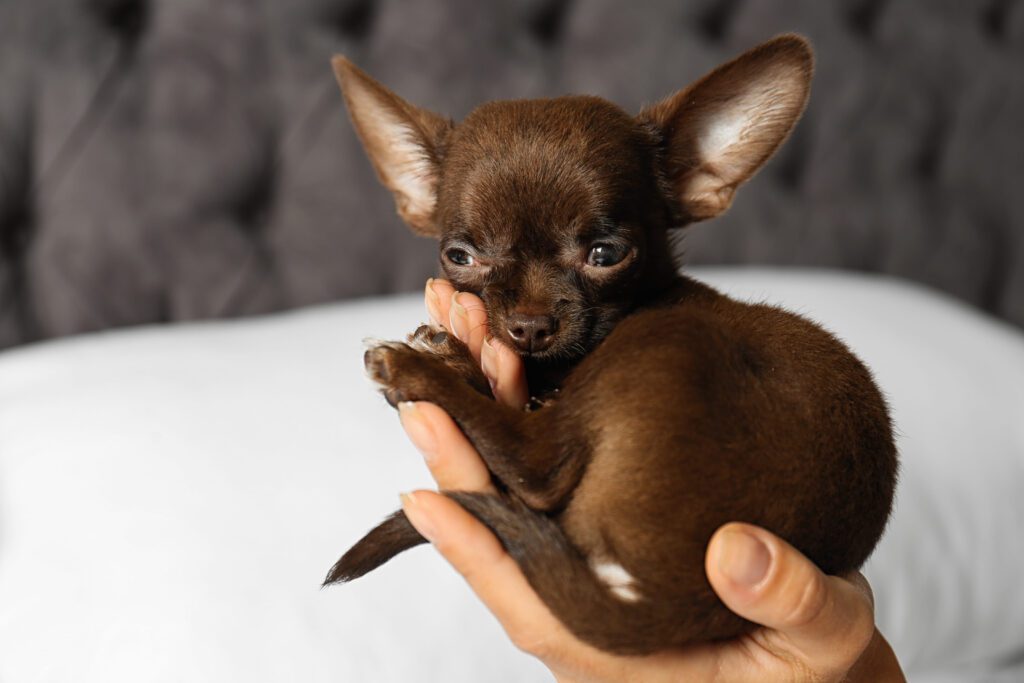
Teacup Chihuahuas are tiny, spirited, and deeply loyal companions. The breed offers a big personality in a very small body, with alert minds and strong bonds to their people. Many families value the breed’s portability and moderate exercise needs, which fit well with apartment living and quiet households.
Responsible research matters before any adoption. Teacup typically refers to an unusually small Chihuahua that often weighs under 5 pounds. The reduced size increases fragility, temperature sensitivity, and grooming needs, especially dental care. Adoption is preferable to buying because adoption gives a dog a second chance, supports ethical placement, and reduces demand for irresponsible breeding.
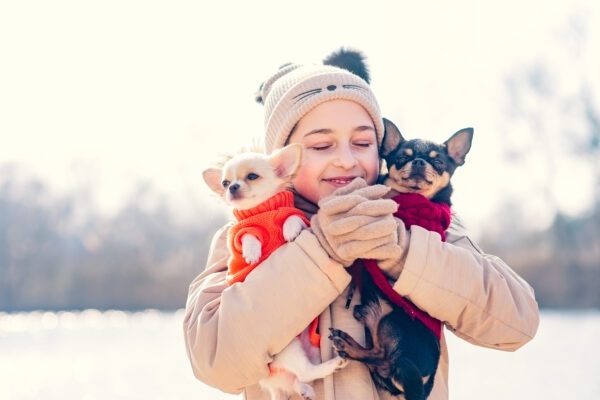
Nebraska presents special considerations for a tiny companion. Winters are cold and windy, and summers can be hot and humid. Open plains and wide prairies increase wind chill and sun exposure. A Teacup Chihuahua thrives with an indoor lifestyle, warm layers in winter, and careful outdoor time year-round. Rural areas and city neighborhoods can both work well, but owners must supervise yard time and watch for wildlife, rough terrain, and extreme temperatures.
You can avoid searching rescues and shelters separately by using Dog Academy adoption listings. The platform gathers adoptable dogs in one place and offers educational guides and adoption checklists that help you prepare. You can filter for size, age, and location, then bookmark dogs that match your household and experience level.
In Nebraska, adoptable Teacup Chihuahuas may appear through local animal shelters, regional rescues, breed-specific rescue groups, and foster-based networks. Many small-breed dogs are listed simply as Chihuahua or Chihuahua mix, so you should read size details carefully. Some groups also coordinate transport between locations when a good match is found. Transport is often arranged by rescues to move dogs between states or regions using volunteer drivers or licensed carriers.
The process usually starts with browsing current listings, then submitting a detailed application. Applications often request personal references, proof of home ownership or landlord approval, and information about current pets. Many groups schedule a meet-and-greet to confirm fit with all family members and resident animals. Home checks can be virtual or in-person to confirm safety, fencing, and readiness for a small dog.
Approval timelines vary by group and by each dog’s needs. Straightforward applications can move within 3 to 10 days, while more complex placements can take 2 to 3 weeks. Some groups use foster-to-adopt trials to confirm compatibility. Clear communication, quick responses, and readiness with supplies can help the process move faster.
|
How Much Does It Cost to Adopt a Teacup Chihuahua in Nebraska?Most adopters in Nebraska can expect to pay about $250 to $500 for an adult Teacup-sized Chihuahua, with puppies and very high-demand tiny dogs often ranging from $350 to $650. Fees vary based on age, training, medical care, and demand for small companions. Fees often include spaying or neutering, vaccinations, microchipping, and veterinary exams. Some groups also include a recent dental cleaning or treatment for common small-breed issues, which can place the fee at the higher end. Medical history, behavior support, and post-adoption resources can also affect price. A dog that has completed basic training or that has received advanced medical care may have a higher fee that reflects that investment. Transparent fee breakdowns help you understand what is covered and what follow-up care you should plan with your veterinarian. |
How Should I Train a Teacup Chihuahua?Chihuahuas are bright, observant, and highly motivated by food and praise. Short, cheerful sessions build focus without overwhelming a small dog. Positive reinforcement works best and helps a sensitive dog stay confident and willing to try again. Common challenges include barking at new sights and sounds, house training with a tiny bladder, and defensive nipping when a dog feels cornered. You can prevent problems with early socialization, a predictable potty schedule, and careful management. Use a well-fitted harness to protect the neck, and lift slowly to protect fragile bones. If winter weather blocks outdoor potty trips, you can set up a covered potty station with turf or disposable pads to keep the habit consistent. Structured guidance makes training smoother. You can build skills like loose-leash walking, calm greetings, crate relaxation, and polite alone time with step-by-step lessons. For expert help at home, explore Dog Academy’s online training courses for small-breed manners, confidence building, and socialization. |
|
The best match for a Teacup Chihuahua is an owner who enjoys close companionship, gentle handling, and a calm routine. Households with older children or adults who can supervise carefully tend to work best. A flexible schedule is ideal for frequent potty breaks, regular meals, and consistent training.
Preparation leads to success. Set up a warm sleeping area, a harness and lightweight leash, food and water bowls, a safe potty plan for winter, and a relationship with a veterinarian who understands small-breed care. Take your time, ask questions, and review listings through Dog Academy until you find the right match. With patience and planning, you can adopt a Teacup Chihuahua in Nebraska and enjoy a tiny companion with a giant heart.

Introducing a new puppy to your current dog is often an exciting process, and many dogs will become fast friends and eas...
Read More
Rescue dogs can make great companions and can transform your home into something better. These dogs make great pets and ...
Read More
You should never rush to pet a dog. Even dog owners make the mistake of approaching unfamiliar dogs and petting them rig...
Read More
Puppy mill dogs are survivors who have endured extreme hardships in their lives. They have grown up in horrendous, unsan...
Read More
With their wagging tails and comforting presence, adopting a dog can add a unique touch to your life. It’s a heart...
Read More
Older dogs may have a few gray hairs around the edges, but that doesn’t mean they can’t make wonderful companions! T...
Read More