



























































































































































































Introducing a new puppy to your current dog is often an exciting process, and many dogs will become fast friends and eas...
Read MoreAdopt Me

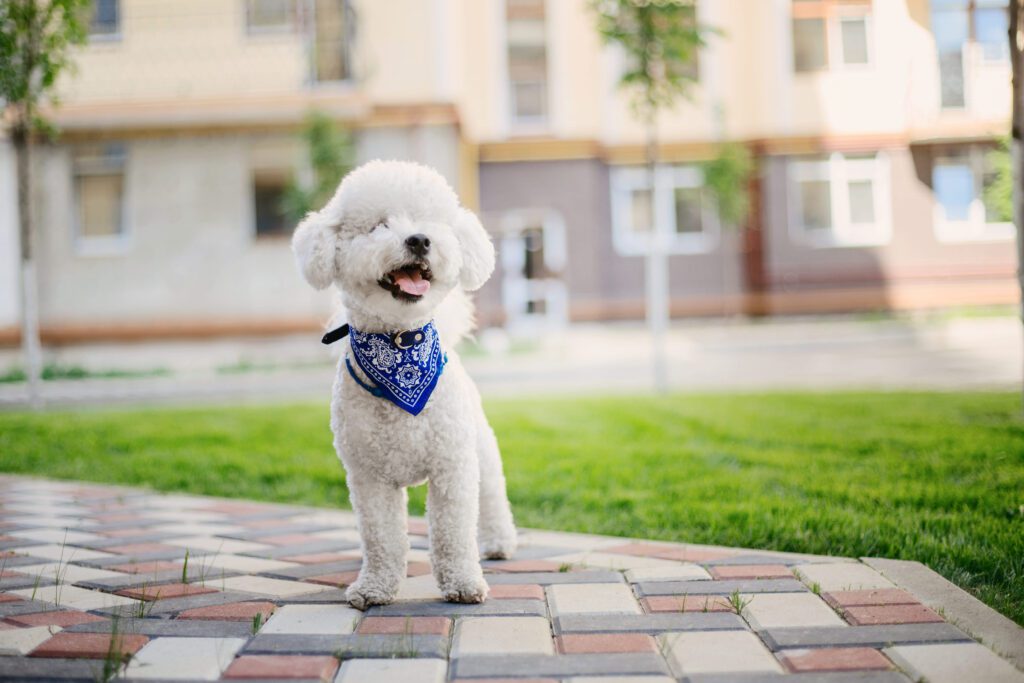
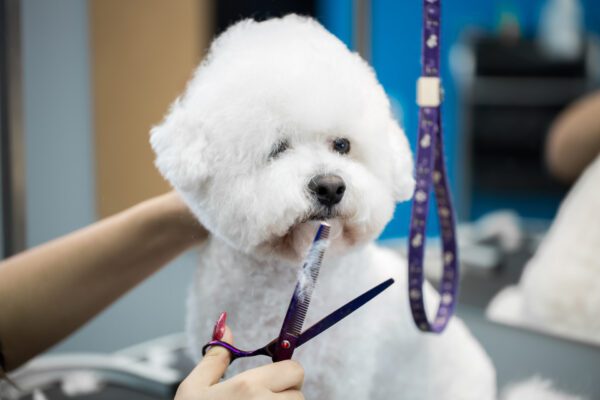
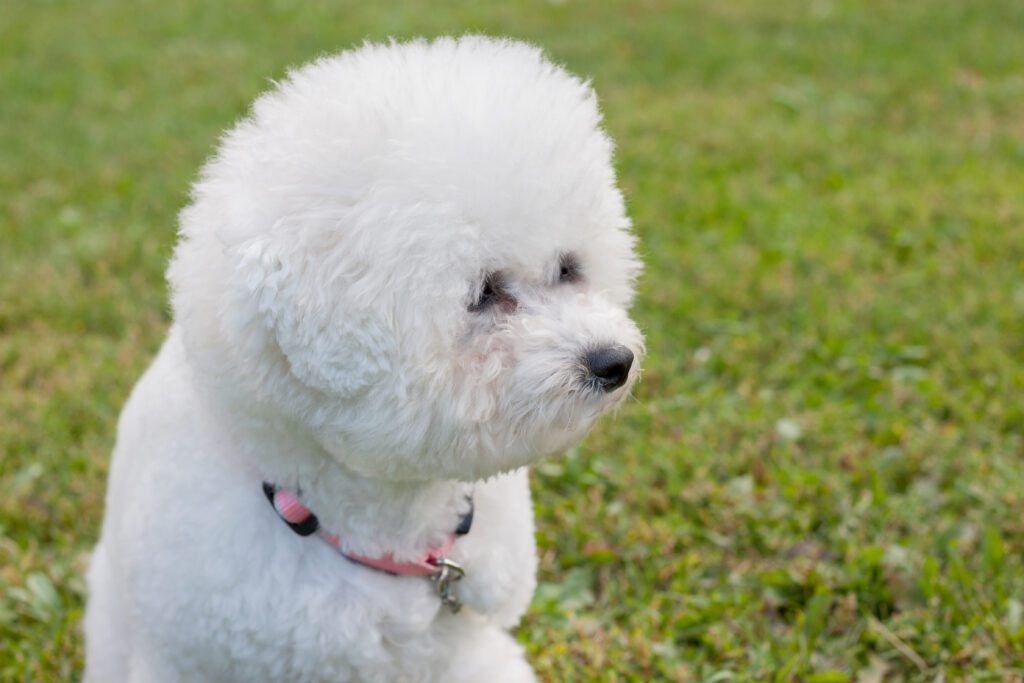
The Bichon Frise is a cheerful, affectionate, and social companion. The breed stays small, sheds very little, and loves close contact with people. A Bichon thrives on attention and play, yet needs only moderate daily exercise. Careful research before adoption helps you match energy level, grooming needs, and temperament with your lifestyle.
Adoption gives a dog a second chance and often provides transparency about health and behavior. Many Bichons in rescue arrive from owners who can no longer care for them. Choosing adoption supports responsible pet guardianship and helps reduce overcrowding in shelters.
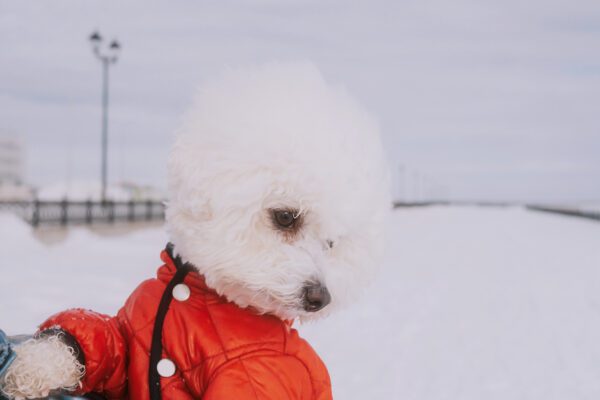
Nebraska’s climate brings cold winters, hot summers, wind, and fast weather shifts. A Bichon enjoys indoor living, which suits apartments in cities and homes across the plains. Short winter walks with a jacket and paw protection keep a Bichon comfortable. Summer outings work best in the morning or evening with shade and water. Nebraska’s open spaces, neighborhood sidewalks, and community trails give plenty of options for structured strolls and training walks.
You can skip searching rescues and shelters one by one. Browse statewide listings in one place with Dog Academy. Dog Academy offers current adoption profiles, helpful guides, and step-by-step checklists that explain how to prepare your home, evaluate a dog’s fit, and complete paperwork with confidence.
Adoptable Bichons in Nebraska are commonly found through local animal shelters, regional rescues, and breed-specific rescue groups. Foster networks also help place small companion dogs throughout the state. Start by browsing listings to compare age, size, temperament notes, medical history, and location. Read each profile closely so you understand exercise needs, grooming requirements, and any training goals.
The application process usually begins online. You submit a form that confirms your living situation, experience with dogs, and care plans. Many groups request references, landlord approval if you rent, and information on current pets. After an application review, you schedule a meet-and-greet. Meetings can occur at a facility, a foster home, or a neutral public space where you can observe manners and comfort around people. Some groups complete a home check in person or through a virtual tour to confirm safety, secure fencing, and space for rest and play. Approval timelines typically range from 3 to 14 days, depending on the organization, the dog’s needs, and the speed of reference responses.
Nebraska spans large distances, so your best match may live several hours away. Many rescues arrange transport to move dogs safely between locations. Transport is often handled by volunteer drivers or professional services that follow set schedules, health requirements, and handoff procedures. Some groups add a modest transport fee to cover fuel and supplies.
|
How Much Does It Cost to Adopt a Bichon Frise in Nebraska?Most adopters in Nebraska can expect to pay about $250 to $450 for an adult Bichon Frise. Puppies typically range from $350 to $600 because of higher demand and extra veterinary care. Fees vary by age, training history, medical needs, and the cost of care during the dog’s stay. Many organizations include spaying or neutering, vaccinations, microchipping, and veterinary exams in the adoption fee. Dogs that receive dental cleanings, bloodwork, or specialized care may have slightly higher fees to offset those expenses. Small companion breeds remain popular, which influences pricing. A well-socialized adult with basic manners may adopt out faster than a shy dog that needs more support. Puppies often cost more because they require booster vaccines and frequent wellness checks. Ask for an itemized summary so you know exactly which services the fee covers. |
How Should I Train a Bichon Frise?The Bichon Frise is bright, people-focused, and eager to earn rewards. Short, upbeat sessions that use treats and praise keep a Bichon engaged. Positive reinforcement builds trust and helps maintain a happy attitude during learning. Early socialization teaches polite greetings, calm handling, and confidence in new places. House training can take time with small breeds, so set a steady schedule with frequent breaks, consistent praise for outdoor success, and careful supervision indoors. Barking can increase when a Bichon is bored or under-exercised, so daily mental enrichment and structured walks help. Practice calm-alone training to reduce the risk of separation stress. Introduce grooming skills early because regular brushing and professional grooming are part of Bichon life. If you want step-by-step help, explore Dog Academy’s online training courses for house training, manners, and enrichment plans tailored to small companion dogs. |
|
A great Bichon Frise adopter enjoys close companionship, daily walks, and regular grooming. Families with gentle children, retirees who want a steady friend, and apartment dwellers who value indoor time often love this breed. Success starts with preparation, patience, and a plan for training and enrichment.
Take your time, ask clear questions, and review each profile carefully. When you feel ready, use Dog Academy to find adoptable Bichons across Nebraska and to follow checklists that make every step simple and stress-free.

Introducing a new puppy to your current dog is often an exciting process, and many dogs will become fast friends and eas...
Read More
Rescue dogs can make great companions and can transform your home into something better. These dogs make great pets and ...
Read More
You should never rush to pet a dog. Even dog owners make the mistake of approaching unfamiliar dogs and petting them rig...
Read More
Puppy mill dogs are survivors who have endured extreme hardships in their lives. They have grown up in horrendous, unsan...
Read More
With their wagging tails and comforting presence, adopting a dog can add a unique touch to your life. It’s a heart...
Read More
Older dogs may have a few gray hairs around the edges, but that doesn’t mean they can’t make wonderful companions! T...
Read More