




























































































































































































Introducing a new puppy to your current dog is often an exciting process, and many dogs will become fast friends and eas...
Read MoreAdopt Me

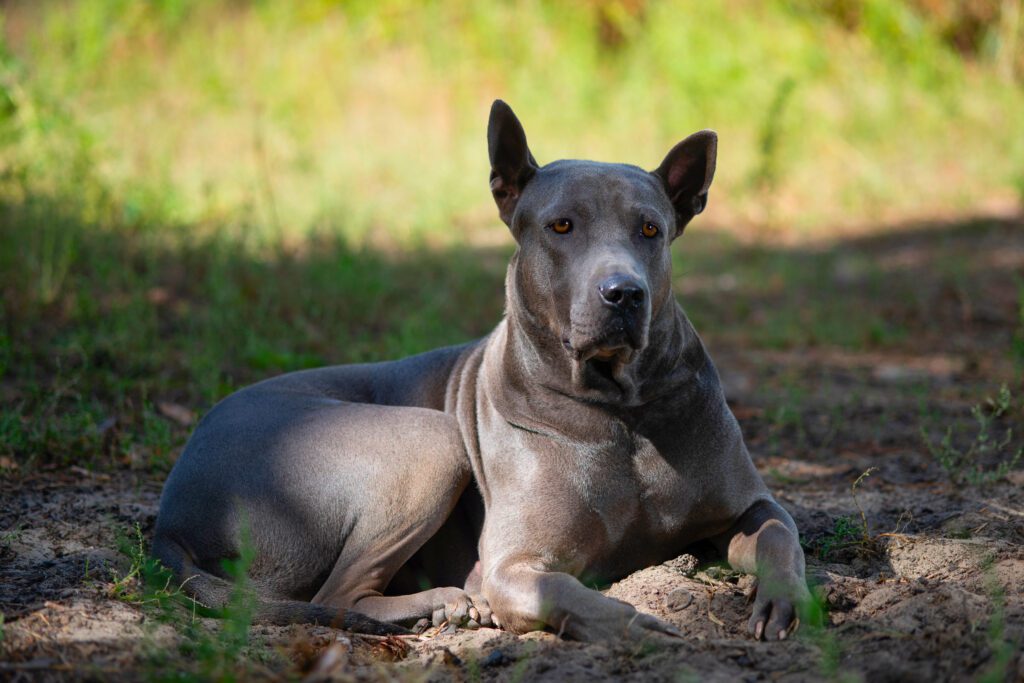

The Thai Ridgeback is athletic, loyal, and confident. This breed is intelligent and independent, with a strong guarding instinct and a natural drive to chase. A Thai Ridgeback bonds closely with family and thrives when given clear structure, daily exercise, and consistent training.
Research matters before any adoption. Understanding energy level, social needs, and training goals helps you choose a dog that truly fits your lifestyle. Adoption is preferable to buying because it gives a dog a second chance, supports local animal welfare, and often includes essential veterinary care that protects your new companion from day one.
Nebraska offers wide-open spaces, suburban neighborhoods, and walkable urban areas. Hot summers require shade and careful hydration for this short-coated breed. Cold winters in Nebraska can be harsh for a thin-coated Thai Ridgeback, so a warm jacket, limited exposure, and indoor time are important. A secure fenced yard is valuable because this agile dog can jump and chase wildlife across open plains. Apartment or city living can also work when daily exercise, mental enrichment, and reliable management are in place.
You can avoid searching shelters and rescues one by one by using Dog Academy adoption listings to browse available Thai Ridgebacks in one place. Dog Academy also offers educational guides and adoption checklists that help you prepare your home, plan your budget, and understand breed needs before you apply.
Start your search with local animal shelters, regional rescues, and breed-specific rescue groups that serve Nebraska and nearby states. Many foster networks post detailed profiles that describe temperament, energy level, and home requirements. If the right dog is outside your area, rescues sometimes arrange transport to move dogs between locations using volunteer drivers or licensed carriers, and they coordinate health certificates and scheduling to keep the trip safe and legal.
Browse listings carefully and read each bio in full. Ask clear questions about leash manners, recall reliability, comfort around children, compatibility with cats, and the need for a fenced yard. Submit an application that includes housing details, veterinary references, and your experience with high-drive breeds. Timely responses help keep the process moving.
Next comes a meet-and-greet at a shelter, an adoption event, or a foster home. Bring all household members, and request a slow, controlled introduction if you have resident pets. Many groups complete a home check by video or in person to confirm secure fencing, safe storage for supplies, and a quiet rest area. Approval timelines vary, but 1 to 3 weeks is common depending on references, scheduling, and transport. After approval, you sign an adoption contract, pay the fee, and bring your new dog home with a collar, identification tag, and a crate for safe transitions.

|
How Much Does It Cost to Adopt a Thai Ridgeback in Nebraska?Expect to pay about $300 to $500 to adopt a Thai Ridgeback in Nebraska. This range reflects the rarity of the breed in rescue, the moderate cost of veterinary care in the region, and the additional evaluation often performed for independent, high-drive dogs. Puppies and highly trained adults tend to be at the higher end, while seniors or dogs needing ongoing care may be lower. Adoption fees usually include spaying or neutering, vaccinations, microchipping, and veterinary exams. Some groups also provide heartworm testing, deworming, flea and tick prevention, and a starter collar or leash. If a dog requires transport between locations, you may see a separate transport charge to offset fuel, health certificates, or carrier costs. |
How Should I Train a Thai Ridgeback?The Thai Ridgeback is smart and capable, yet often independent. Positive reinforcement works best because this breed responds to clear rewards like food, play, and access to preferred activities. Keep sessions short and focused, and end on a success to build confidence and trust. Common challenges include pulling on leash, chasing wildlife, selective recall, and aloofness with strangers. Use management alongside training by practicing long-line recalls in safe areas, reinforcing calm behavior during greetings, and rewarding check-ins on walks. Early and ongoing socialization helps the dog stay comfortable around new people, dogs, and places. For step-by-step lessons that fit busy schedules, explore Dog Academy’s online training courses designed to build reliable manners and strengthen your bond. |

|
The ideal owner for a Thai Ridgeback in Nebraska enjoys daily exercise, provides a secure yard, and values consistent training and structure. Families with older children or active adults who like hiking, running, or structured play often find this breed deeply rewarding.
Take time to research, prepare your home, and gather supplies before adoption. Patience during the search leads to a better match and a smoother transition. When you are ready, use Dog Academy resources to guide each step and to help you adopt a Thai Ridgeback in Nebraska with confidence.

Introducing a new puppy to your current dog is often an exciting process, and many dogs will become fast friends and eas...
Read More
Rescue dogs can make great companions and can transform your home into something better. These dogs make great pets and ...
Read More
You should never rush to pet a dog. Even dog owners make the mistake of approaching unfamiliar dogs and petting them rig...
Read More
Puppy mill dogs are survivors who have endured extreme hardships in their lives. They have grown up in horrendous, unsan...
Read More
With their wagging tails and comforting presence, adopting a dog can add a unique touch to your life. It’s a heart...
Read More
Older dogs may have a few gray hairs around the edges, but that doesn’t mean they can’t make wonderful companions! T...
Read More