

























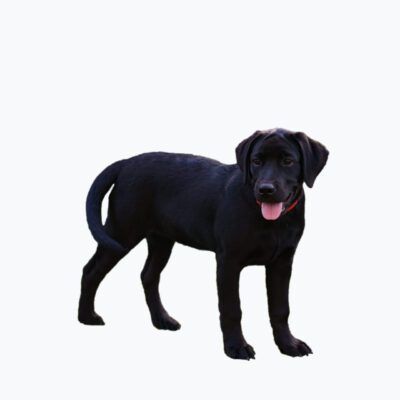































































































































































Introducing a new puppy to your current dog is often an exciting process, and many dogs will become fast friends and eas...
Read More
How to Introduce a New Puppy to Your Dog
The Papillon is a bright, cheerful companion that loves to learn and stay close to family. This toy breed stays small yet carries a big personality, with expressive ears and a confident, curious nature. A Papillon Dog thrives on attention, enjoys short adventures, and settles in happily for cuddle time after exercise and mental play.
Thoughtful research helps you match a dog’s needs with your lifestyle. Choosing adoption supports a dog in need, often lowers upfront costs, and usually includes essential veterinary care. Nebraska can fit a Papillon well because the breed does best as an indoor companion. Nebraska winters are cold and windy, so a Papillon benefits from a warm coat, limited outdoor time in severe weather, and protected paws on ice and salt. Nebraska summers can be hot, so a Papillon needs shade, water, and indoor cooling during peak heat.
Nebraska’s mix of city and rural living offers flexible options. A Papillon Dog does well in apartments in urban areas when daily walks and enrichment are consistent. Rural settings offer quiet space, but supervision is essential due to raptors and other wildlife. A secure fence and leashed walks protect a small dog from escape risks and from larger animals.
You can avoid searching rescues and shelters separately by starting with Dog Academy. Dog Academy’s adoption listings gather available dogs in one place, which makes browsing faster and more accurate. Dog Academy also offers educational guides and clear adoption checklists that help you prepare your home, plan your schedule, and understand breed needs before you apply.
Adoptable Papillon Dogs in Nebraska are found through local animal shelters, regional rescues, breed-specific rescue groups, and foster networks. Begin by browsing listings, reading each biography carefully, and noting compatibility details such as age, energy level, grooming needs, and tolerance for children or other pets. Ask about medical history, behavior observations in the foster home, and any training the dog has already completed. Clear communication helps you set realistic expectations and choose a dog that fits your routine.
The process usually starts with browsing listings and submitting an application. An application often asks for personal references, proof of residence, and landlord approval when you rent. A volunteer may conduct a phone screen to discuss your experience and your daily schedule. A meet-and-greet allows you to interact with the dog and to see how the dog responds to each family member. A home check confirms that your space is safe, that fencing is secure, and that the dog has a quiet area for rest. Approval timelines in Nebraska commonly run 1 to 3 weeks, and timing depends on volunteer availability, veterinary scheduling, and the number of applicants for a small, popular breed.
Transport is sometimes arranged by rescues to move dogs between locations when a good match is found. Transport can use volunteer drivers or professional services, and timing depends on weather, distance, and available routes. Rescues explain costs and logistics in advance so you can plan for pickup or delivery.
In Nebraska, you can expect most shelters to place a Papillon Dog for $200 to $450. Breed-focused rescues often list Papillon Dogs for $300 to $650. Prices tend to be higher for small purebred dogs due to strong demand and the cost of veterinary care. Younger dogs and dogs with recent medical work usually fall near the upper end, while seniors often cost less to encourage adoption.
Fees reflect age, training, medical care, and demand. Many organizations include spaying or neutering, vaccinations, microchipping, and veterinary exams. Some dogs also receive dental cleanings or treatment for minor conditions before adoption. Confirm exactly what is covered so you can budget for supplies, grooming, and training after you bring your dog home.
The Papillon is intelligent and eager to please, which makes training enjoyable when sessions are short and rewards are frequent. Positive reinforcement builds confidence and keeps this sensitive breed engaged. Use food rewards, cheerful praise, and play to mark correct choices, and keep sessions to 5 to 10 minutes to prevent frustration.
Common challenges include alert barking, house training, and distractibility. Teach a quiet cue, reward calm behavior, and give your Papillon daily mental tasks like scent games and puzzle feeders. Support house training with a consistent schedule, frequent outdoor breaks, and immediate reinforcement when the dog eliminates outside. Gentle socialization to people, animals, and new surfaces creates a friendly, adaptable companion that handles Nebraska’s busy sidewalks and quiet trails with ease.
You can follow step-by-step lessons with Dog Academy’s online training courses. Courses cover foundation skills, leash manners, polite greetings, and enrichment ideas that suit a bright, energetic toy breed.
The best match is an adopter who enjoys daily walks, regular play, and kind, consistent training. A Papillon Dog fits families with gentle children, singles who work from home, and seniors who want a lively but manageable companion. Preparation matters because a small, clever dog thrives on structure and attention.
Take your time, ask detailed questions, and make sure the dog’s energy, grooming needs, and temperament match your lifestyle. When you feel ready, use adoption listings, follow a clear checklist, and welcome a Papillon Dog into a safe, loving Nebraska home.
Introducing a new puppy to your current dog is often an exciting process, and many dogs will become fast friends and eas...
Read More
Rescue dogs can make great companions and can transform your home into something better. These dogs make great pets and ...
Read More
You should never rush to pet a dog. Even dog owners make the mistake of approaching unfamiliar dogs and petting them rig...
Read More
Puppy mill dogs are survivors who have endured extreme hardships in their lives. They have grown up in horrendous, unsan...
Read More
With their wagging tails and comforting presence, adopting a dog can add a unique touch to your life. It’s a heart...
Read More
Older dogs may have a few gray hairs around the edges, but that doesn’t mean they can’t make wonderful companions! T...
Read More