


























































































































































































Introducing a new puppy to your current dog is often an exciting process, and many dogs will become fast friends and eas...
Read MoreAdopt Me


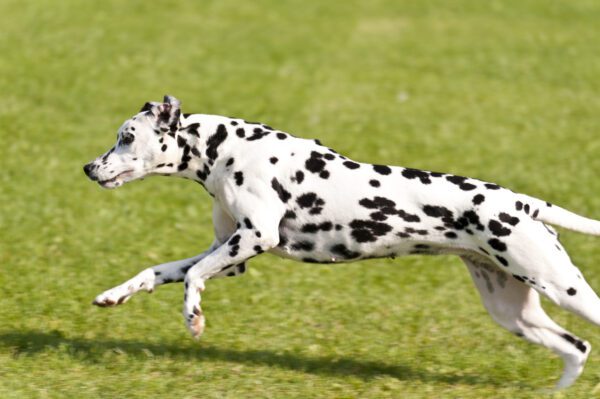
Dalmatians are eye catching, athletic, and affectionate. They bond closely with their families, and they love to run, hike, and play. They are intelligent and eager, which makes training rewarding when it stays upbeat and consistent. Their short coat sheds year round, and the breed can be vocal when bored. Careful research helps you confirm that this lively companion fits your home and routine.
Adoption offers real benefits over buying. You give a dog a second chance, you support local animal welfare, and you often receive a dog that already has basic veterinary care completed. Nebraska has cold winters, hot summers, and plenty of open space. A Dalmatian can thrive here with daily exercise, winter protection, and careful heat management during humid months. City living in Nebraska can also work when you provide structured activity and enrichment every day.
You can avoid searching shelters and rescues one by one by starting with Dog Academy. You can browse adoptable Dalmatians in one place, learn about each dog, and follow educational guides with step by step adoption checklists. You can also check local animal shelters, regional rescues, and breed specific rescue groups across the Midwest. Many organizations list dogs statewide and update profiles frequently.
Begin by browsing listings and reading each profile in full. Confirm energy level, age, temperament notes, and any medical needs. Dalmatians are active and social, and they need daily aerobic exercise and mental work. Understanding these needs before you apply helps you set realistic expectations and reduces setbacks after adoption.
Submit an application that covers your household, schedule, fencing, landlord approval if you rent, and current pet details. Expect a phone interview or video call that reviews training plans, exercise routines, and safety. Many groups require a meet and greet with all family members and resident pets. Some organizations complete a home check to confirm secure doors, safe fencing, and a reasonable setup for containment and rest.
Approval timelines vary by organization size and the number of applicants. In Nebraska, a straightforward application can move from submission to approval in 3 to 14 days. The timeline can extend if references are slow to respond, if a home check needs to be scheduled, or if the dog has pending veterinary care. Some groups offer a foster to adopt period, which lets the dog live with you briefly while the organization retains ownership until finalization.
Transport is sometimes arranged by rescues to move dogs between locations. Volunteers or professional drivers follow set routes, and licensed veterinarians provide health certificates for interstate travel when required. You meet transport at a safe pickup point, and you finalize paperwork with the rescue once the dog arrives.
|
How Much Does It Cost to Adopt a Dalmatian in Nebraska?Most adopters in Nebraska can expect fees between $200 and $450 for a Dalmatian. Puppies and highly in demand dogs often land near the top of that range, while adult or senior dogs usually fall in the middle. Fees reflect veterinary care already provided, demand for the breed, and any training completed before placement. Typical inclusions are spaying or neutering, vaccinations, microchipping, and veterinary exams. Many organizations also cover heartworm testing, deworming, and a brief behavioral assessment. Costs increase when a dog receives dental work, treatment for ear infections, or support for breed specific needs like urinalysis to monitor for stone risk. Fees sometimes rise if transport is included, since fuel, health certificates, and coordination add expenses. |
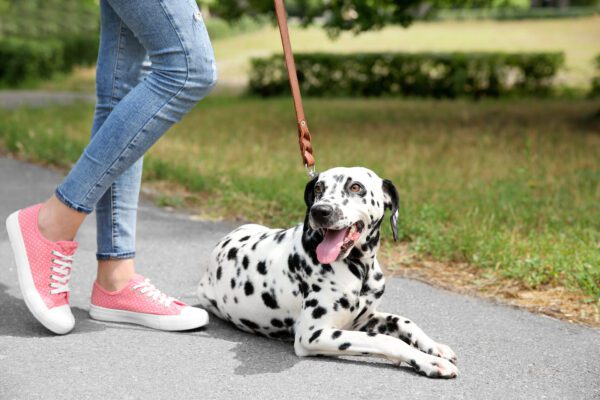
How Should I Train a Dalmatian?Dalmatians are bright, athletic, and sensitive. They learn fast when training stays positive, structured, and fun. Short sessions work best. Use high value food rewards, clear hand signals, and upbeat praise to build engagement. Rotate skills like loose leash walking, recall, and impulse control to prevent boredom. Common challenges include jumping, mouthing during play, and pulling on leash. Redirect jumping with sit for greetings, reward calm four paws on the floor, and practice focus games before walks. Provide 60 to 90 minutes of daily activity through brisk walks, jogs on cool mornings, fetch, scent games, and puzzle toys. Some Dalmatians are deaf in one ear or both ears. Teach hand signals, use a flashlight or a gentle vibration cue to get attention, and reward eye contact generously. For step by step guidance that fits busy schedules, explore Dog Academy’s online training courses. You can follow clear lessons, build reliable manners, and add enrichment plans that keep an energetic Dalmatian satisfied. |
|
The ideal Nebraska adopter is active, patient, and consistent. You plan daily exercise, you enjoy training, and you keep your dog involved in family life. You also prepare for the climate with winter gear and summer hydration.
Take your time, ask thoughtful questions, and make sure the dog’s needs match your routine. When you prepare your home, learn the breed, and follow a clear plan, you set up a Dalmatian to thrive. Start with careful research, and you can adopt a Dalmatian in Nebraska with confidence and joy.

Introducing a new puppy to your current dog is often an exciting process, and many dogs will become fast friends and eas...
Read More
Rescue dogs can make great companions and can transform your home into something better. These dogs make great pets and ...
Read More
You should never rush to pet a dog. Even dog owners make the mistake of approaching unfamiliar dogs and petting them rig...
Read More
Puppy mill dogs are survivors who have endured extreme hardships in their lives. They have grown up in horrendous, unsan...
Read More
With their wagging tails and comforting presence, adopting a dog can add a unique touch to your life. It’s a heart...
Read More
Older dogs may have a few gray hairs around the edges, but that doesn’t mean they can’t make wonderful companions! T...
Read More