























































































































































































Introducing a new puppy to your current dog is often an exciting process, and many dogs will become fast friends and eas...
Read MoreAdopt Me

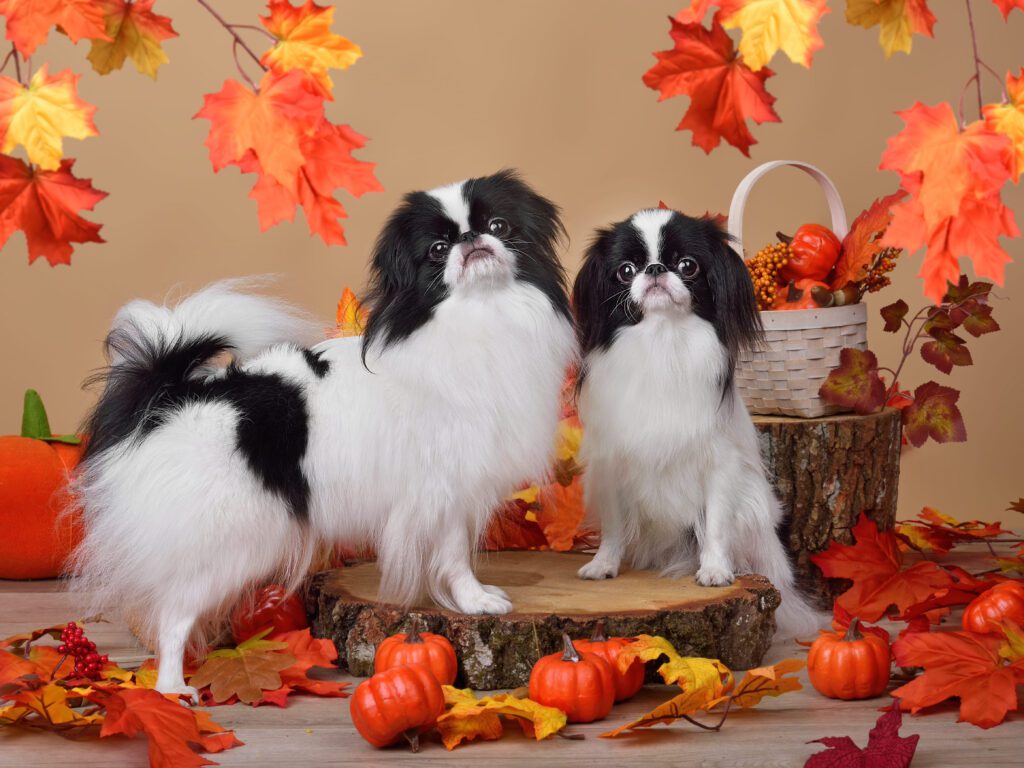

The Japanese Chin is a charming companion dog with a soft coat, expressive eyes, and a gentle, mischievous spirit. This toy breed loves to cuddle, learns quickly, and thrives on calm routines. Research before you adopt is essential because the Japanese Chin has unique needs that include delicate bone structure, sensitive breathing, and regular grooming. Adoption gives a dog a second chance, and it helps you find a good match with support from knowledgeable volunteers and adopters.
Nebraska offers a relaxed pace of life that suits this breed well. The Japanese Chin prefers indoor living with short daily walks and play. Nebraska summers can be hot and humid, which can stress a short-nosed dog, so owners should prioritize shade, water, and air conditioning. Nebraska winters can be very cold and windy, so brief potty breaks, a warm coat, and dry paws keep a Japanese Chin comfortable. City apartments and quiet suburban homes both work for this breed, as long as exercise, enrichment, and gentle handling stay consistent.
You can skip searching shelters and rescues one by one by using Dog Academy to browse current adoption listings in one place. Dog Academy also provides educational guides and adoption checklists so you can prepare your home, budget, and schedule before you apply.
Start your search through local animal shelters, regional rescues, breed-specific rescue groups, and foster networks that list available dogs. Listings typically include photos, age, size, behavior notes, and medical updates. Read each profile carefully to understand energy level, grooming needs, and any known health considerations. A thoughtful match reduces returns and sets everyone up for success.
The process usually begins with an online application. You will share details about your home, daily routine, experience with dogs, and plans for training. Many groups request landlord approval for renters and personal or veterinary references. After initial review, you will schedule a meet-and-greet at a shelter, an adoption center, a foster home, or a neutral public space. If you have resident pets, supervised introductions help everyone adjust safely.
Some groups complete a home check to confirm a safe setup. A home check can be virtual through a video call or in-person, and it looks at secure doors, safe stairs, a quiet rest area, and a transport-ready crate. Approval timelines vary by organization and by dog, and most decisions take a few days to 2 weeks. Dogs recovering from surgery or dental work may require a short waiting period before going home.
Transport is sometimes arranged by rescues to move dogs between locations when a strong match is found. Coordinators plan routes, confirm health records, and use volunteer drivers or licensed carriers who follow safety protocols. Transport can add modest costs and time, and the group will explain the steps clearly before you commit.
|
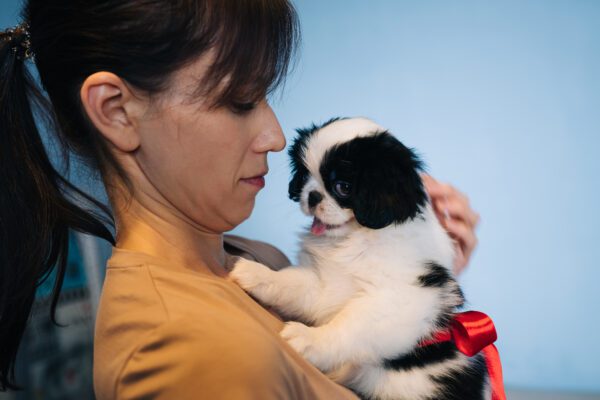
How Much Does It Cost to Adopt a Japanese Chin in Nebraska?Expect adoption fees for a Japanese Chin in Nebraska to range from $200 to $450. Fees reflect the dog’s age, prior training, medical care already provided, and current demand for the breed. Puppies and young adults usually cost more because demand is higher and preventive care is recent. Seniors can cost less when organizations encourage loving homes with reduced fees. Most fees help cover spaying or neutering, vaccinations, microchipping, and veterinary exams. Costs can rise if a dog recently received dental cleanings, eye care, or treatment for breathing or knee issues, which are more common in small companion breeds. Transparent fee breakdowns help you understand how your payment supports the dog’s health and safe placement. |
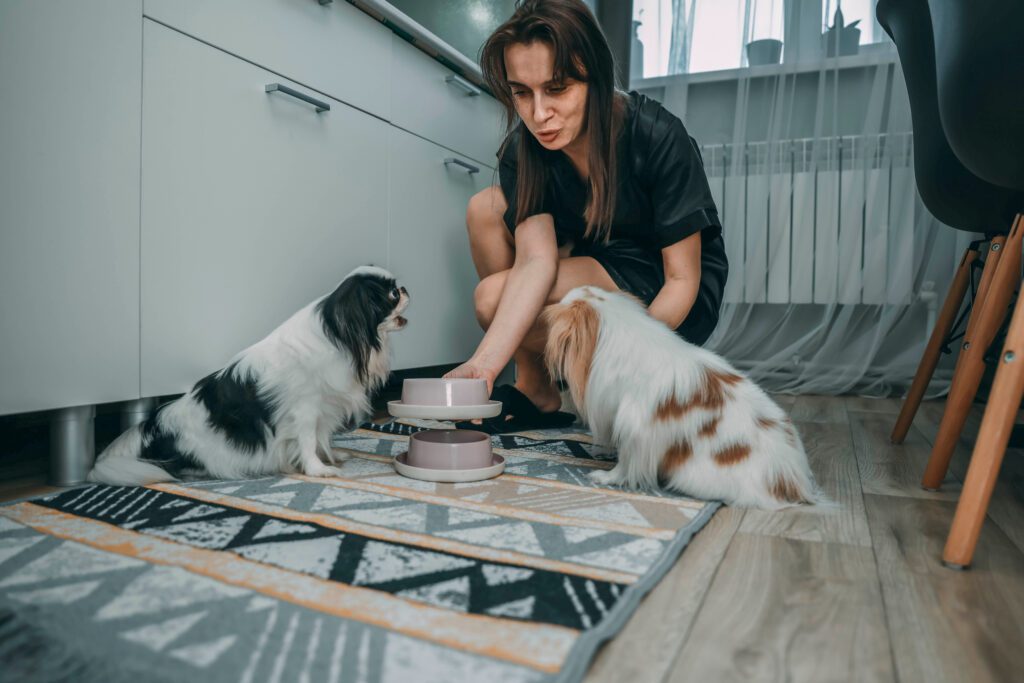
How Should I Train a Japanese Chin?The Japanese Chin is bright, people-focused, and sensitive, which makes positive reinforcement highly effective. Keep sessions short and upbeat, and reward with soft treats, praise, and gentle play. This breed can be independent at times, so consistent cues and clear routines build confidence. House training improves when you use frequent outdoor breaks, a reliable schedule, and crate training that teaches the dog to relax in a safe space. Socialization should be calm and structured with kind adults, older children, and polite dogs. The breed can develop alert barking if bored, so provide daily mental games and soft toys. If you want step-by-step guidance for manners, leash skills, and problem-solving, explore Dog Academy’s online training courses that teach humane methods and real-life skills. |
|
The ideal Nebraska adopter enjoys a quiet lifestyle, values indoor companionship, and provides short walks, gentle enrichment, and regular grooming. A Japanese Chin does best with attentive owners who protect against heat and cold, watch for eye and dental needs, and keep play low impact.
Take your time, ask questions, and prepare before you apply. Gather supplies, plan a safe rest area, and read up on care and training. When you feel ready, use Dog Academy to view available dogs and follow the steps with patience and care. The right match will reward you with a loyal, delightful companion for years to come.

Introducing a new puppy to your current dog is often an exciting process, and many dogs will become fast friends and eas...
Read More
Rescue dogs can make great companions and can transform your home into something better. These dogs make great pets and ...
Read More
You should never rush to pet a dog. Even dog owners make the mistake of approaching unfamiliar dogs and petting them rig...
Read More
Puppy mill dogs are survivors who have endured extreme hardships in their lives. They have grown up in horrendous, unsan...
Read More
With their wagging tails and comforting presence, adopting a dog can add a unique touch to your life. It’s a heart...
Read More
Older dogs may have a few gray hairs around the edges, but that doesn’t mean they can’t make wonderful companions! T...
Read More