









































































































































Introducing a new puppy to your current dog is often an exciting process, and many dogs will become fast friends and eas...
Read More
How to Introduce a New Puppy to Your Dog

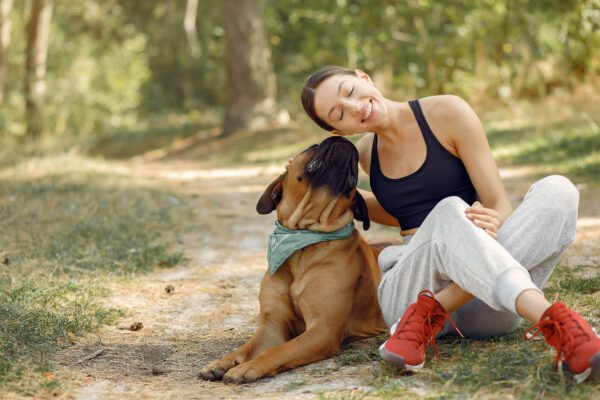
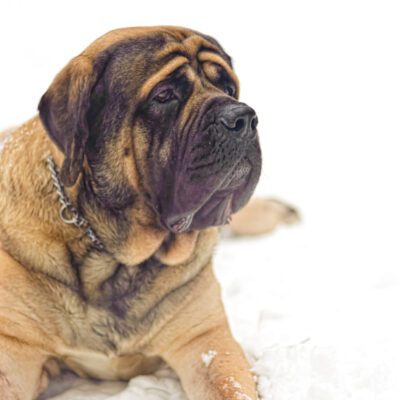
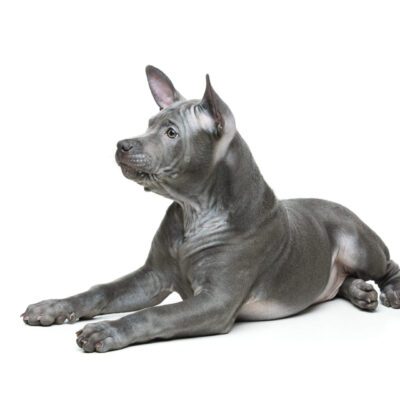
The Tosa Inu is a calm, confident, and powerful guardian that bonds deeply with a dedicated family. The breed tends to be quiet in the home and athletic outdoors. A Tosa Inu thrives with clear structure, early socialization, and steady leadership. Careful research before adoption helps you match this strong and dignified dog with the right lifestyle and home setup.
Adoption is a compassionate choice because it gives a deserving dog a second chance and supports the work of shelters and rescues. Many adoptable Tosa Inus arrive already spayed or neutered, vaccinated, and temperament assessed. You also gain insight from foster notes that describe daily habits and training progress.
Nebraska’s climate brings cold winters, hot summers, and frequent wind. A Tosa Inu has a short coat that needs protection from winter chill, so plan for indoor housing, warm bedding, and limited time outdoors in extreme cold. Summer heat calls for shade, cool water, and exercise during cooler hours. The state’s open spaces suit a fenced yard and structured walks. Urban living in Nebraska can also work when you provide strong handling, daily enrichment, and consistent training.
You can avoid searching rescues and shelters separately by starting with Dog Academy. The adoption listings let you browse available dogs across locations in one place. You can also use Dog Academy’s educational guides and adoption checklists to plan your timeline, budget, and training goals with confidence.
Because Tosa Inus are rare, you may need to check local animal shelters, regional rescues, breed-specific rescue groups, and foster networks. Availability can change quickly. You may find a match in a nearby state. When distance is involved, rescues sometimes arrange transport to move dogs between locations. Transport is often a coordinated relay of volunteer drivers or a scheduled ground trip that brings dogs to a pickup hub. The rescue typically handles health certificates and travel planning while the adopter meets the dog at a designated location.
The process usually starts with browsing listings and submitting an application. The application often requests personal references, proof of home ownership or landlord approval, and details about your experience with large breeds. A coordinator reviews your information and may schedule a phone interview. Many groups complete a virtual or in-person home check to confirm secure fencing, safe storage of chemicals, and a quiet space for crate rest during decompression.
Next comes a meet and greet. Plan to bring household members and any resident dogs so everyone interacts safely under guidance. If the match feels right, you sign an adoption contract and pay the fee. Some groups offer a short trial period that lasts 1 to 2 weeks to ensure the placement fits. Approval timelines vary by group and dog, but most adoptions in Nebraska take 1 to 3 weeks from application to pickup. Puppies or out-of-state transfers can take longer because of medical scheduling and transport coordination.

|
How Much Does It Cost to Adopt a Tosa Inu in Nebraska?Expect to pay about $300 to $650 to adopt a Tosa Inu in Nebraska. The fee reflects the dog’s age, training level, medical history, and the cost to bring a rare large breed into care. Adult dogs with completed veterinary work often sit in the middle of the range. Puppies or dogs that needed extensive medical treatment can be higher. Fees commonly include spaying or neutering, vaccinations, microchipping, and veterinary exams. Costs can rise when orthopedic screening, behavior support, or interstate transport adds to the total care provided by the rescue. |
How Should I Train a Tosa Inu?The Tosa Inu is intelligent and steady, yet independent. The breed learns quickly when training is clear, fair, and consistent. Positive reinforcement builds trust and keeps a powerful dog engaged. Reward desired behavior with food, toys, or praise, and prevent rehearsals of problem behavior with smart management. Common challenges include strong prey drive, selective reactivity to unfamiliar dogs, and pushy behavior during adolescence. Focus on foundation skills such as loose-leash walking, reliable recalls, place training, impulse control, and calm greetings. Add early socialization with neutral exposures to people, dogs at a safe distance, new surfaces, and varied environments. Muzzle conditioning and crate training provide extra safety and help with vet visits and travel. If you prefer step-by-step guidance, explore Dog Academy’s online training courses. You will find practical lessons for large guardian breeds, including behavior troubleshooting, enrichment plans, and real-life obedience that fits a busy schedule in Nebraska. |
|
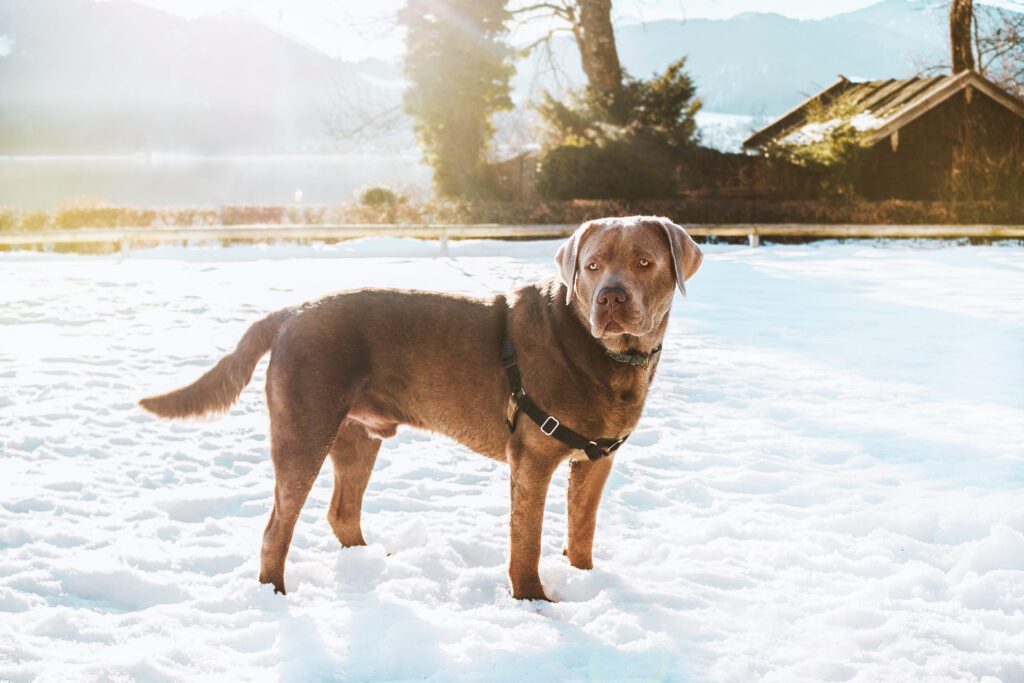
The ideal adopter for a Tosa Inu is an experienced dog owner who enjoys structure, daily training, and an active but thoughtful routine. A secure yard, a stable schedule, and a commitment to lifelong learning help this powerful breed thrive. Planning for climate control, safe handling, and measured social exposure protects your dog and your community.
Take your time and do your homework. Review needs, prepare your home, and set a clear training plan before you bring your dog home. Use Dog Academy to search listings, learn with expert resources, and move through each step with confidence. The right Tosa Inu is out there, and careful preparation will help you welcome a loyal companion who fits your Nebraska lifestyle.
Introducing a new puppy to your current dog is often an exciting process, and many dogs will become fast friends and eas...
Read More
Rescue dogs can make great companions and can transform your home into something better. These dogs make great pets and ...
Read More
You should never rush to pet a dog. Even dog owners make the mistake of approaching unfamiliar dogs and petting them rig...
Read More
Puppy mill dogs are survivors who have endured extreme hardships in their lives. They have grown up in horrendous, unsan...
Read More
With their wagging tails and comforting presence, adopting a dog can add a unique touch to your life. It’s a heart...
Read More
Older dogs may have a few gray hairs around the edges, but that doesn’t mean they can’t make wonderful companions! T...
Read More